A Front-Porch Kind of Genius: Booker T. Jones
Keys, craft, and the power of American sound
How do you carry an immense amount of talent that seems to come with delicate ease? Booker T. Jones offers one answer. As one of the true hands that helped shape American sound, his music arrives not with force, but with an earned kind of knowing. There’s a front-porch ease to it, a twang that feels lived-in and easy to hold. You hear it and think… damn. How does someone do that?
Jones’ primary instrument is the Hammond B3 organ, though he didn’t exactly stumble onto it the usual way. At ten years old, he spotted one sitting in his piano teacher’s dining room and, like any curious kid with a good ear, couldn’t let it go. Lessons weren’t cheap, so he picked up a paper route to pay his way. That kind of dedication tells you a lot early on. Booker has said his teacher taught him how to crawl on the instrument. And folks, it’s clear he didn’t stay on the ground long.

Growing up in Memphis, Tennessee, Jones was surrounded by gospel, classical music, and whatever sounds spilled out of local clubs. It all mixed together in just the right way. He tried just about everything, from ukulele to clarinet to guitar, but always came back to the keys. When the organ finally took hold, it stuck for good.
Before most kids were worrying about homework, Booker was already laying roots at Stax Records, contributing to their first hit, “Cause I Love You,” as a teenage prodigy. Not long after, he formed Booker T. & the M.G.’s, releasing “Green Onions” in 1962… while he was still in high school. Not a bad start. As the house band, the group helped define what we now call Southern soul, all while quietly breaking barriers as an interracial band in a deeply divided time.
Then came one hell of a meeting.
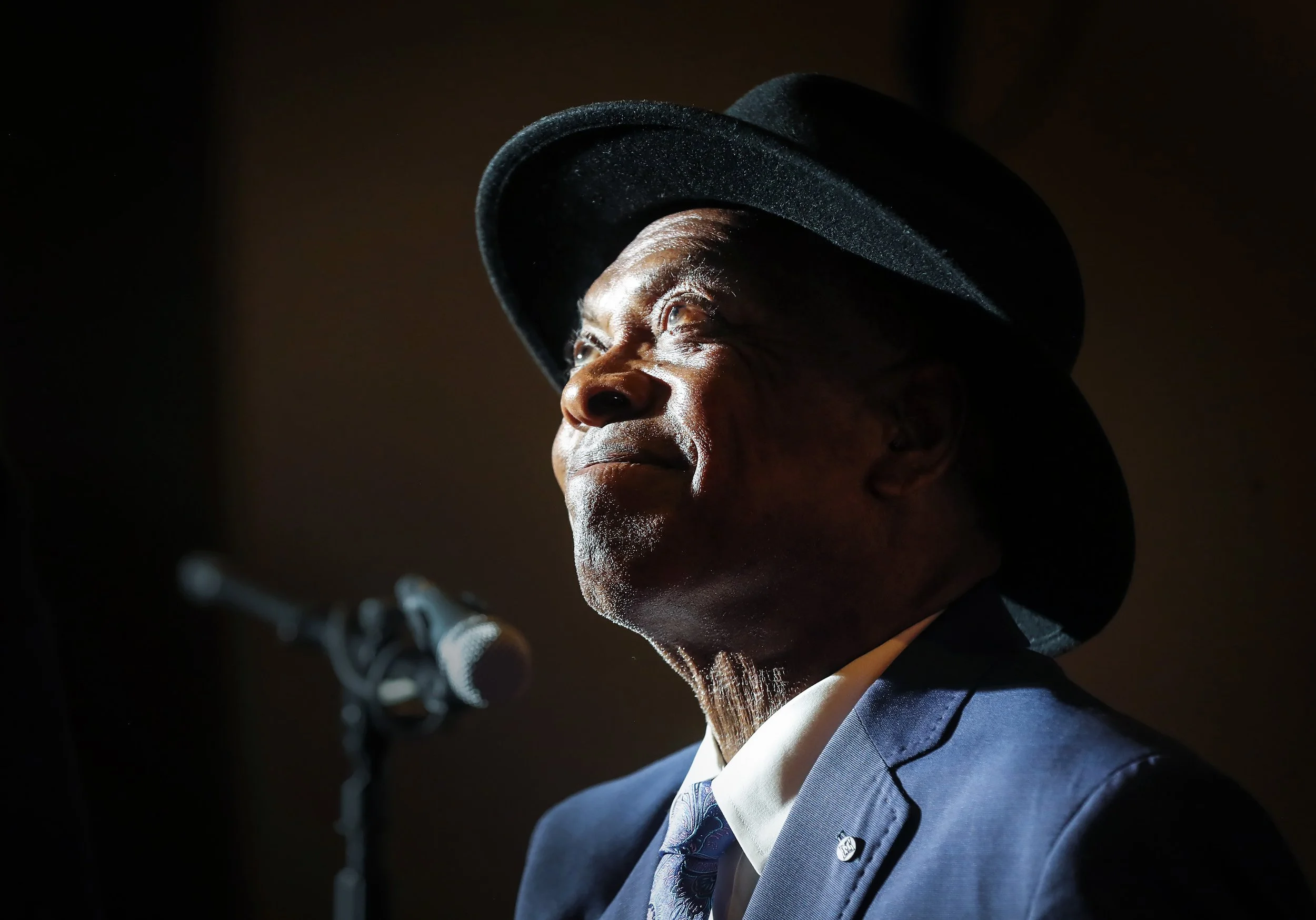
In a twist that feels almost too perfect, Booker T. Jones and our very own Willie Nelson crossed paths in Los Angeles. Jones was renting a place in Malibu when he spotted a man running who looked an awful lot like Willie Nelson. Turns out, it was Willie. Next thing you know, they were playing music together late into the night, no big plan, just feel.
That connection led to Stardust in 1977, an album that raised more than a few eyebrows. Willie was deep in his “outlaw country” era, Booker was a respected soul musician, and the labels weren’t exactly thrilled. But Willie trusted Booker’s instincts. Instead of a polished Nashville studio, they went for something more intimate, more relaxed. And damn if it didn’t work.
Stardust went multi-platinum and stayed on the charts for ten years. More than that, it stood as proof that good music doesn’t care much about genre lines. At a time when the country felt divided in just about every way, their collaboration was a quiet act of rebellious unity, two artists meeting in the middle and letting the songs do the talking.

Booker T. Jones has always been loved for his authenticity. Much of his music came from spontaneous studio moments, the kind you can’t plan no matter how much training you’ve got. And make no mistake - he’s highly trained, deeply knowledgeable in composition and orchestration. That’s why his sound holds both sophistication and groove.
If you’ve ever caught his 2011 Tiny Desk performance, you’ve seen it firsthand. The calm. The soft smile. The way the music flows through his fingertips is like it’s second nature. “Green Onions,” written when he was just seventeen, still sounds alive enough to taste. His keys, paired with his voice, hold both pleasure and pain, joy and restraint… the good stuff.
Booker T. Jones isn’t a legacy act parked in the past. At 81 years old, he’s still recording, still touring, still showing up night after night with that same steady hand on the keys. These days, he’s even spending time playing right here in Austin, letting the music stretch out and breathe the way it always has. No rush. No need to prove anything. Just a man and the sound he helped set in motion, still moving forward.

He also stands as the last remaining member of Booker T. & the M.G.’s, carrying with him not just the songs, but the weight of a band that quietly changed the course of American music. And yet, when you watch him play, there’s nothing heavy about it. The ease is still there. The curiosity. The sense that he’s listening as much as he’s leading.
Over at Luck, that kind of longevity matters. So does the willingness to keep showing up, to stay in conversation with the music rather than sealing it off in history. Willie has always believed songs are meant to be lived with, and Booker T. Jones has spent a lifetime proving that’s true. At 81, he’s still on the road, still at the keys, still reminding us that the best music doesn’t age out. It just keeps finding new rooms to play in… including this one.