Ronin and the Practice of Growing Food Well
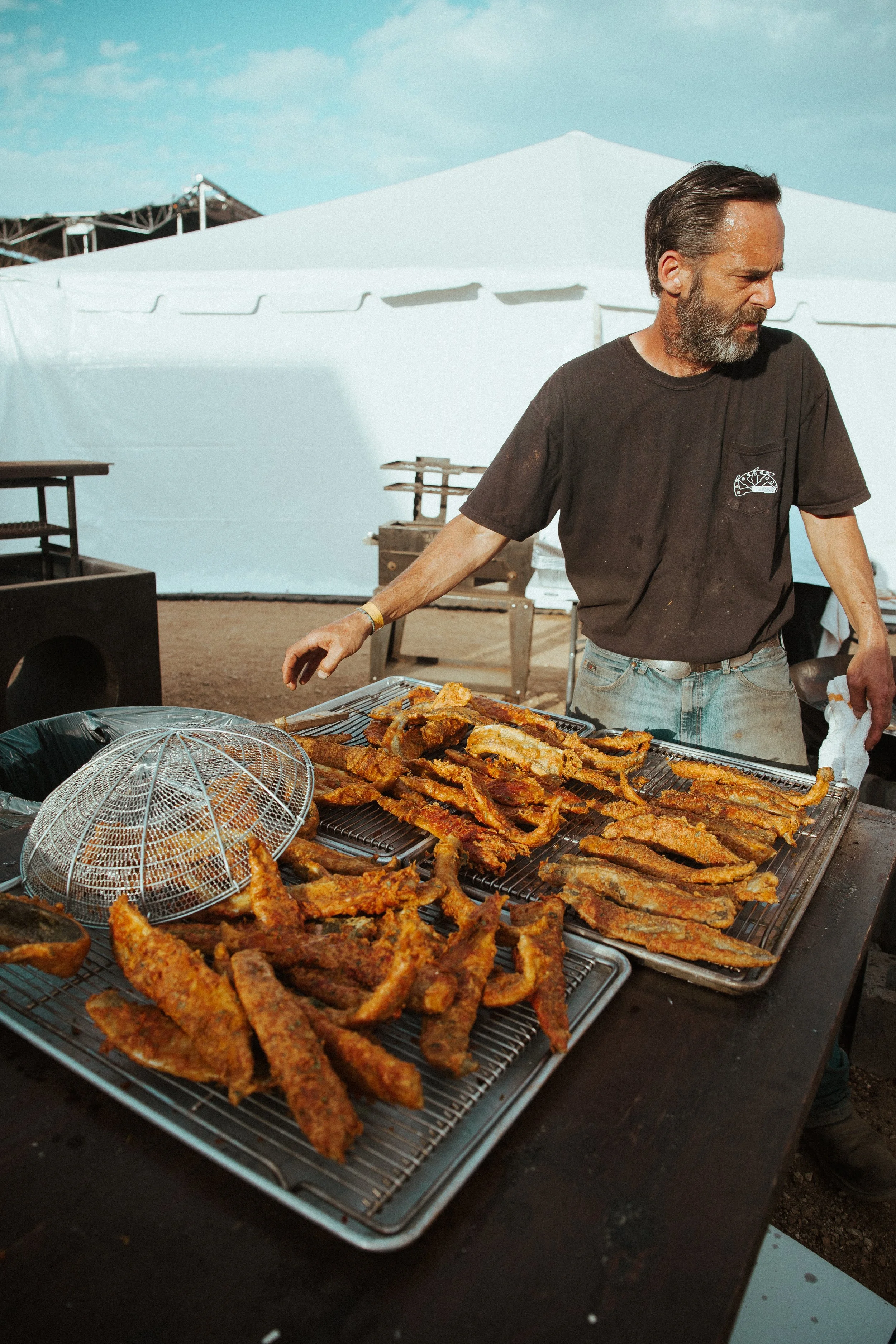
Photo by Brooks Burris, 2025
Ronin, is 15 acres in Central Texas, run by Brian and Amanda Light, where the line between what’s grown and what’s served is almost non-existent. It produces food, hosts dinners, and supports a wider network of Texas farmers, as animals, crops, and people move through the same space, working as one.
What grows on the land feeds the table. What doesn’t is sourced nearby from producers they know personally. The result is an honor system built on proximity, accountability, and long term sustainability. Ronin resists the push to grow rapidly, allowing menus to follow the pace of the seasons, and minimizing waste by keeping production and consumption closely tied.
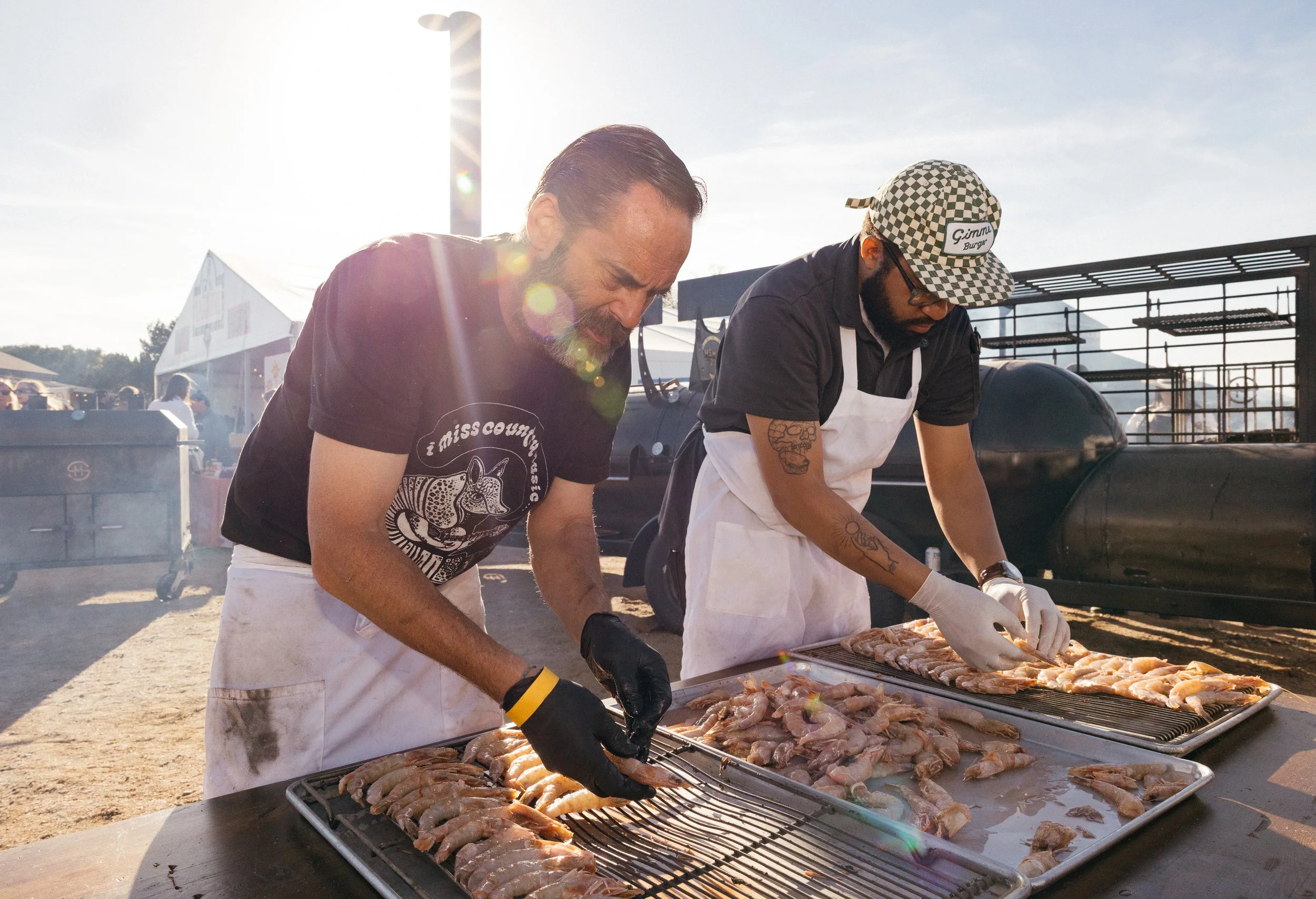
Photo by Brooks Burris, 2026
The approach is built to persist, supporting the health of the soil, the animals, and the people responsible for both.
Brian and Amanda built their careers in traditional restaurants. Their work demanded long hours, constant output, and a version of success defined by growth. When they lost their lease, the reset initiated a different line of thinking about what kind of work they wanted to continue doing and what kind of life they wanted to revolve around it.
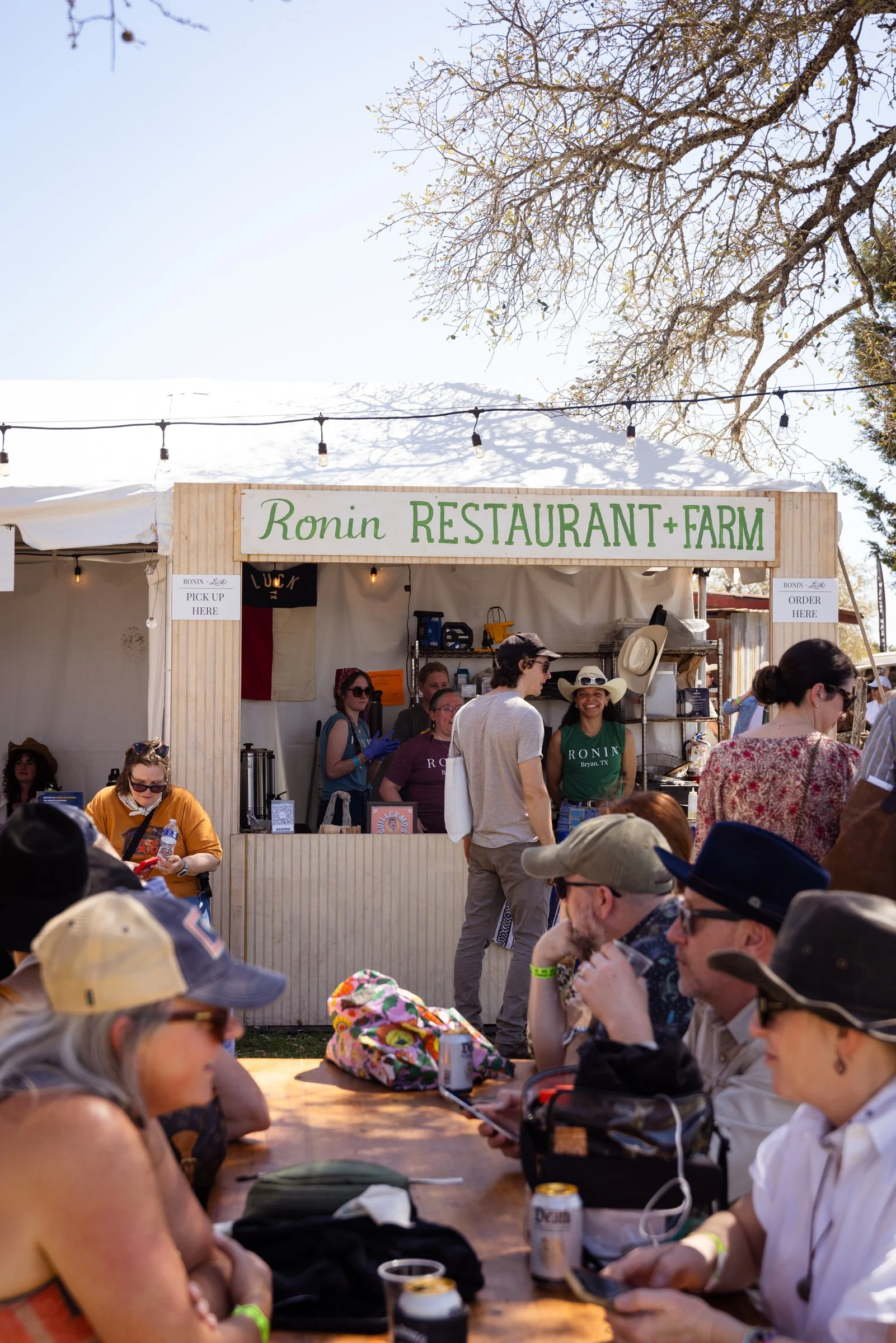
Photo by Brittany NO FOMO
So they rebuilt smaller. Fewer guests, more control, and a direct connection with the land and the plate. That shift is most visible in how Ronin approaches sourcing. The distance between where food is produced and where it is consumed is intentionally short, keeping resources and knowledge circulating within the same community while reinforcing a shared responsibility for how that food is grown.
The same philosophy shapes how the Lights raise their kids… Their children grow up inside this initiative, understanding food as a process shaped by time, labor, and conditions that can’t be rushed. They see crops succeed and fail, understand seasonality through experience, and develop a working awareness of the effort required to produce what ends up on the table.
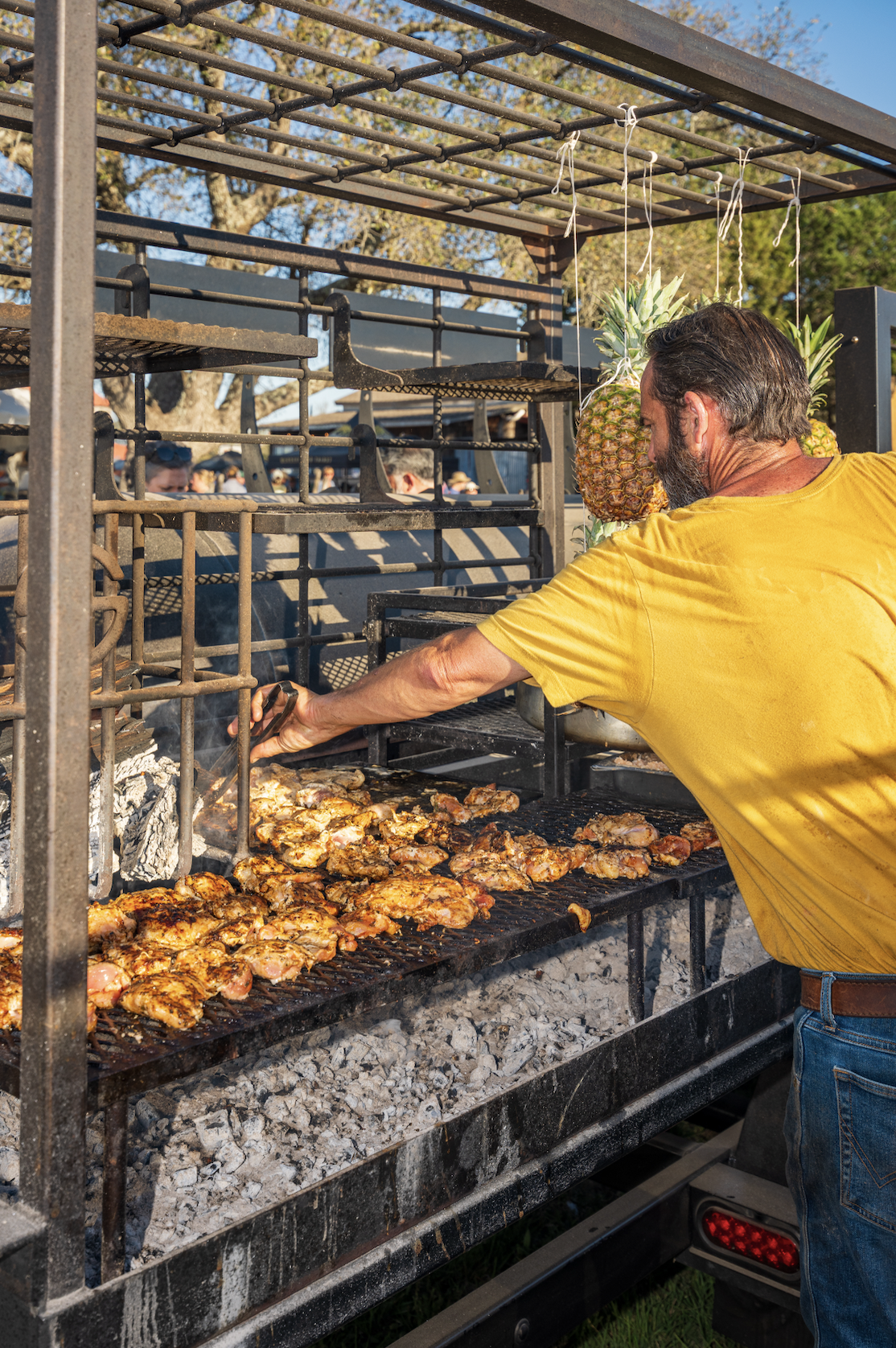
Photo by Taylor Hannan
Ronin brings that thinking into its hospitality as well. Dinners are held under the trees and built around what the farm and surrounding producers can offer at a given moment, whether through full moon meals, small weddings, or seasonal gatherings. Guests are brought into direct contact with the land and the work behind it, experiencing not just the food itself but the conditions that shaped it.
That same approach carries into their work with Luck Reunion. Coordinating food for thousands without losing the thread back to where it came from is a specific kind of problem, and one the Light’s have been solving for years. It created an experience defined by intimacy, control, and a direct relationship between what was grown and what was served.
Less, better.
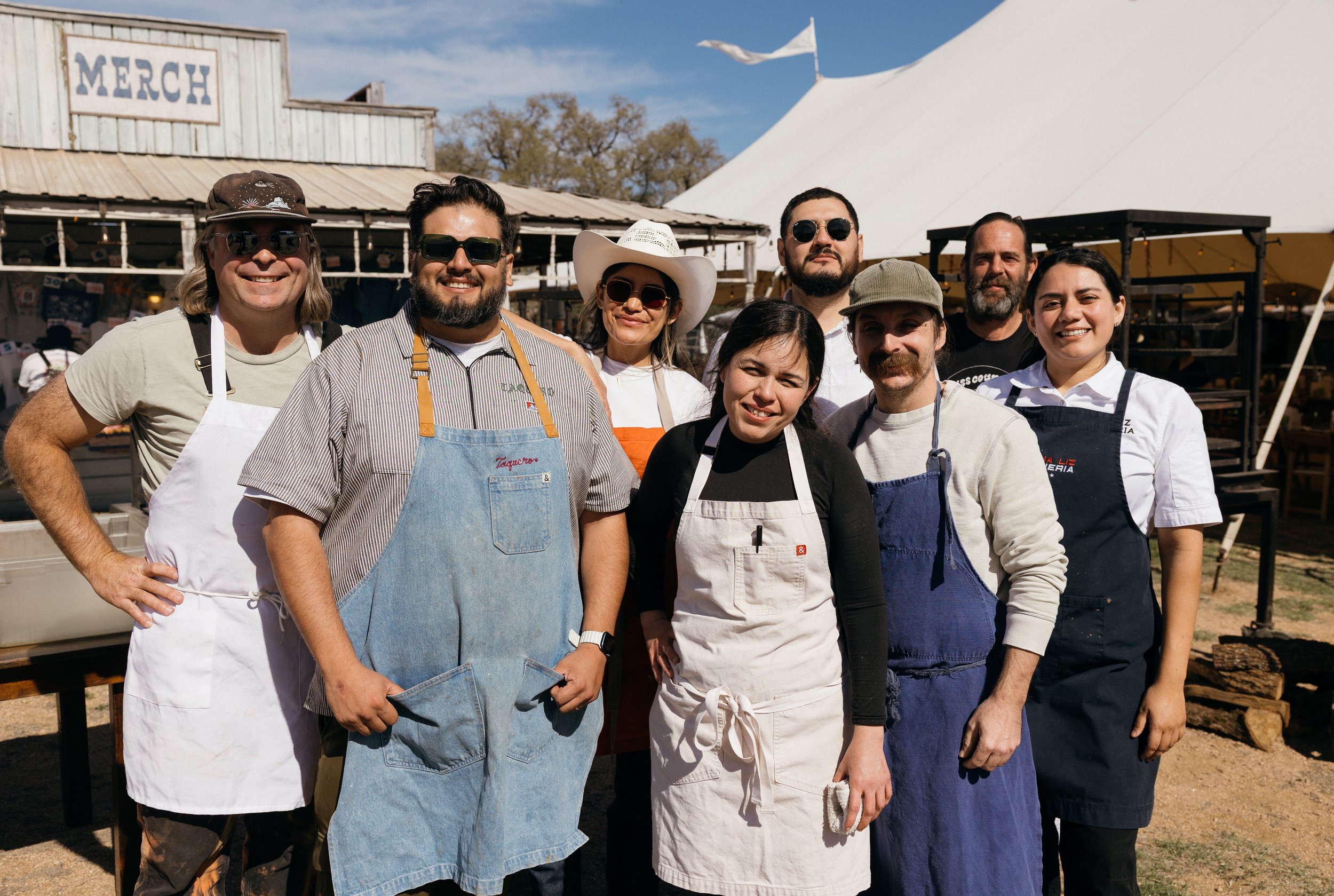
Photo by Brooks Burris, Potluck 2026