Tradition in Motion
A conversation with grant recipients Olivia Lopez and Jonathan Percival of Molino Olōyō
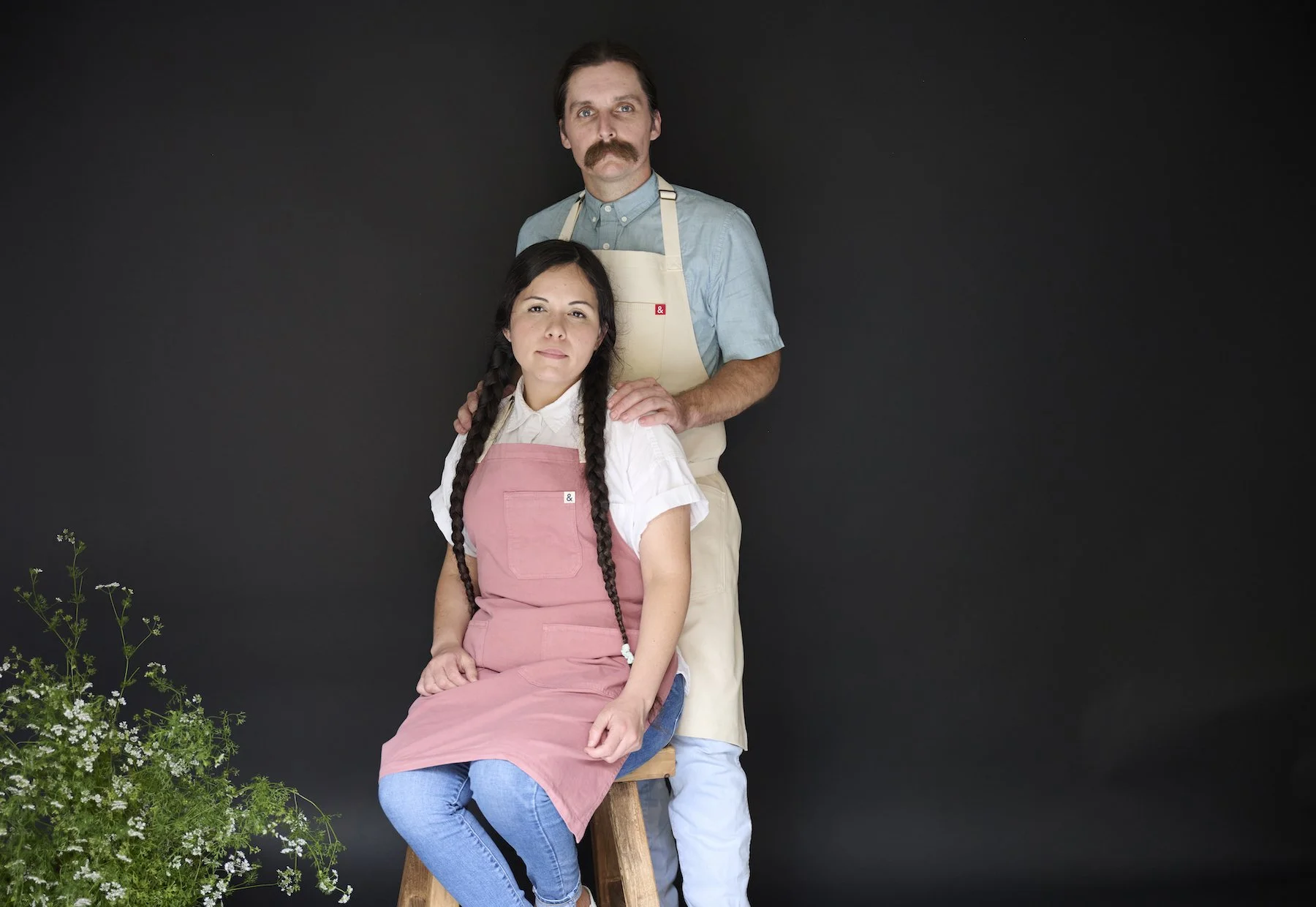
Photo by Elizabeth Lavin
Joining our interview call, Olivia swung her phone around, bumpy and quick, to find her face in the passenger seat of their Tesla, a Dallas freeway blurry in the windows. She leans over the center console to Jonathan.
“Hi!” He waves.
They’d just gotten a call and were headed to the restaurant, or what will be the restaurant, to check on something that couldn’t wait.
“We’re going to double-check the size on the fan.”
I nodded, pretending I fully understood the gravity of that sentence.
“Yeah, so we got used kitchen equipment, and my interior designer doesn’t believe that it’s a type one, so she’s making me and the GC go back to the equipment place to go verify type one.
Being along for the ride like this, literally, makes it obvious: they’re in it. Permits, fans, timelines. The unglamorous middle.
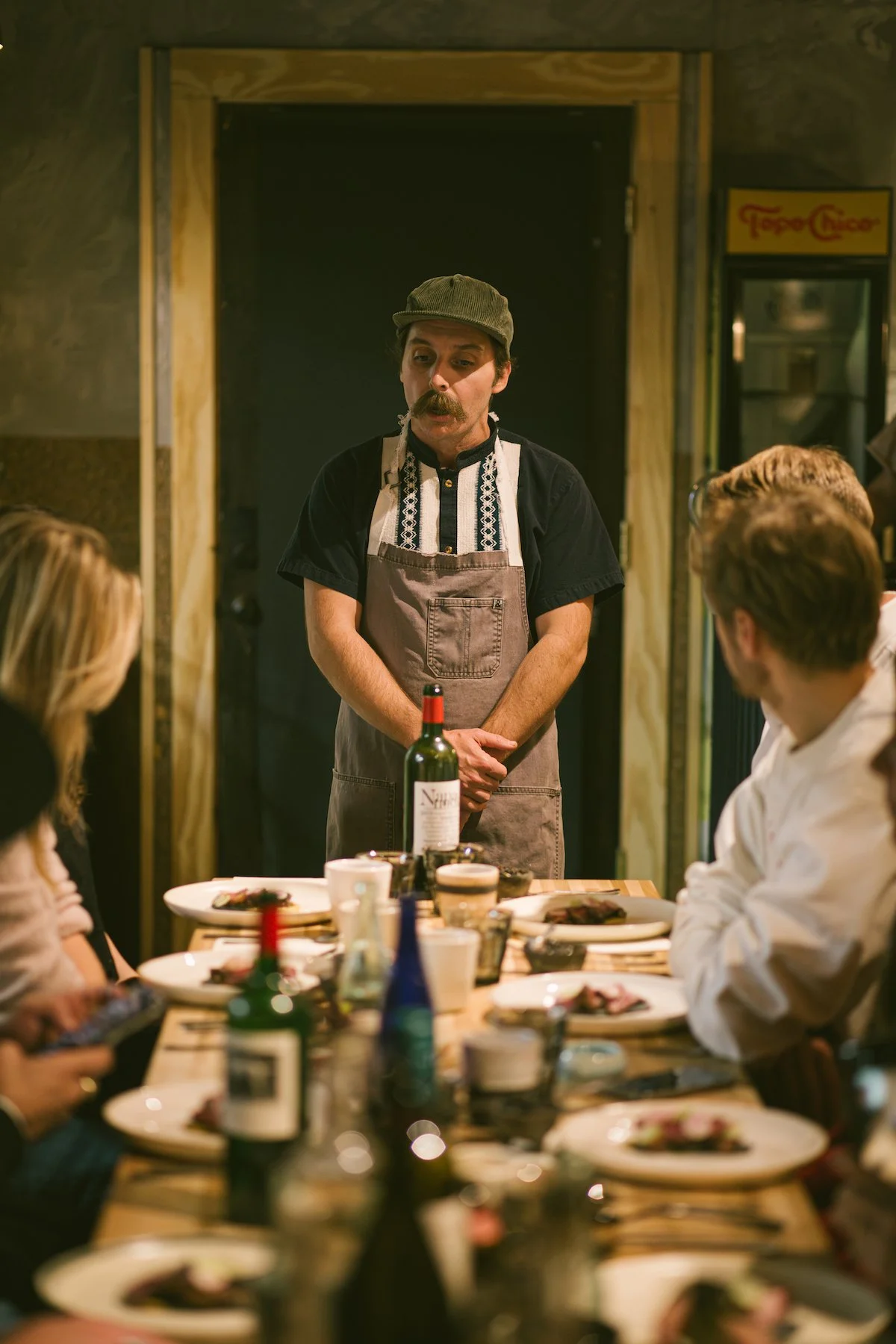
Photo by Dan Padgett
After months of pop-ups, and some attention from the James Beard Foundation, Molino Olōyō is finally becoming a place you can walk into. The buildout’s on track for Spring 2026.
“Surprisingly, yes, we are,” Olivia said. “Everything is going good.”
Before we could linger on construction, the conversation jumped continents.
“We’re going to Mexico on Sunday,” Olivia said. “Home to Colima, to talk to the small vendors that we’re hoping to be able to source things from over there.”
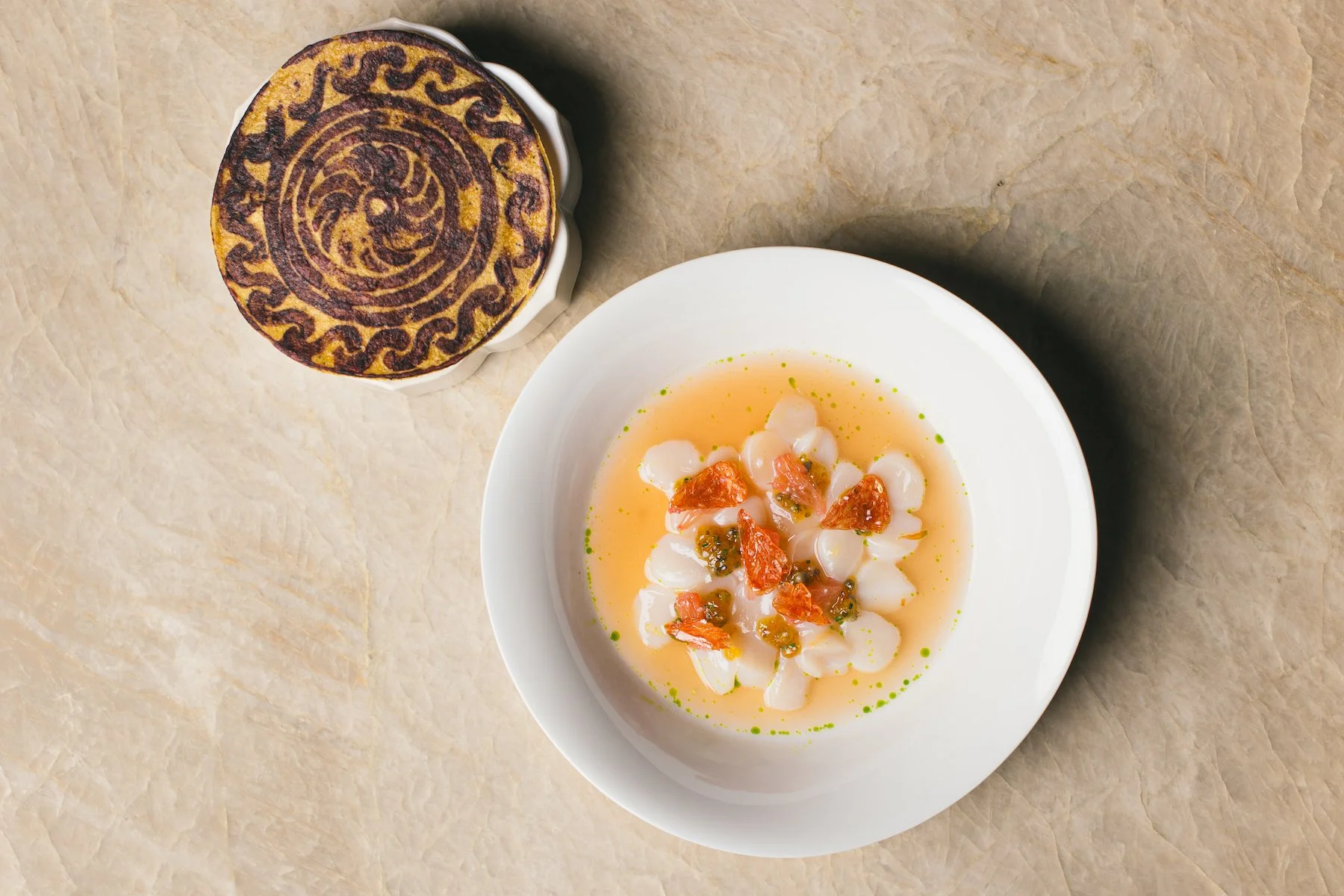
Olivia, known to many as the Masa Queen, has built her reputation in Texas through an uncompromising commitment to quality, tradition, and process, specifically regarding heirloom corn and nixtamalization. Her cooking keeps its roots firmly in the way she was raised, and that commitment shows up not just in technique, but in who she sources from and how closely she stays connected to them.
She’s infusing the taste of Western Mexico into everything Molino does - right down to the salt.
“I just realized that the salt flats are in break right now because I directly called to the company. I was like, ‘Hey, we’re gonna go to the salt flats.’ And they’re like, ‘Well, good luck. The water from the lagoon raised, and this is our break time.’”
She doesn’t seem concerned. She’s been figuring this one out for a long time.
“My mom used to bring it back in her suitcase. Literally kilos of it. We would ration it.”
She laughed, then added, “It probably sounds like we’re all over the place.”
It sounds like they’re building a business.

Olivia feels like the soul of their concept. The creative. The chef. The keeper of tradition. Jonathan brings the structure, the systems, and, as it turns out, part of the food itself.
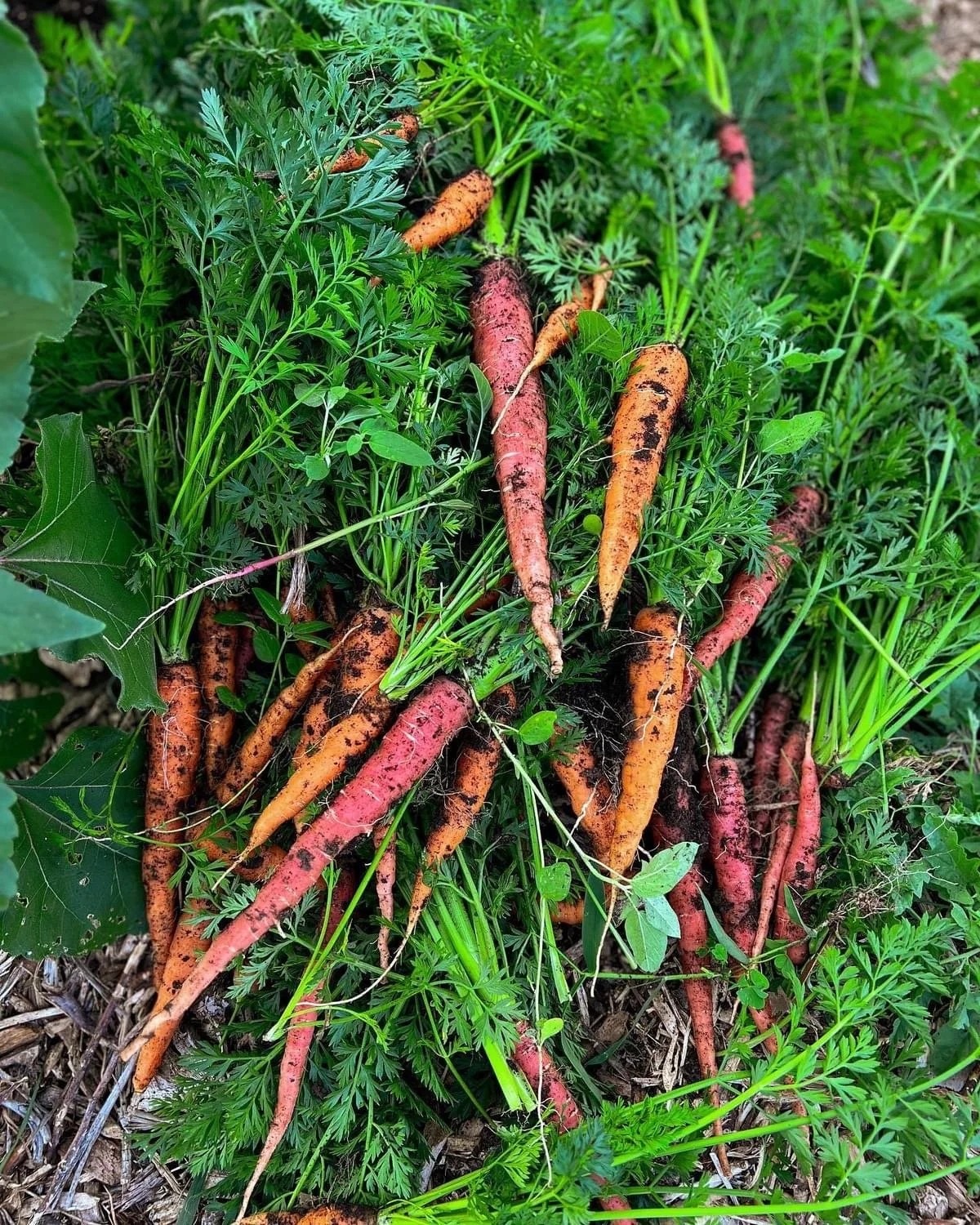
Pequeño Farms grew out of Jonathan’s own health journey. His first swing at growing food was a small one: microgreens in an apartment. Today, Pequeño supplies produce for Molino Olōyō, with plans to grow into something more: a place for pop-ups, education, and shared knowledge.
“Building that continuing source of community, and giving that back,” Jonathan said, “is really what we’re wanting to do with part of the elements of it.”
That sense of intention shows up clearly in how he thinks about sourcing.
So, where’s the line between what comes from Mexico and what stays local to Texas?
“Corn has always been from Mexico,” Jonathan said. “That was the rule from the beginning.”
It’s not about limiting Texas. It’s about honoring lineage.
Olivia’s love, and moreover her standards, for food were learned young.
“When I was little, my only job was to go to the market,” she said. “If I went too late, the butcher would send me back because he knew my grandmother’s standards.”
The lesson stuck. Her grandmother’s standards still show up in every plate that leaves the kitchen at Molino Olōyō.
“She's alive in that way”.
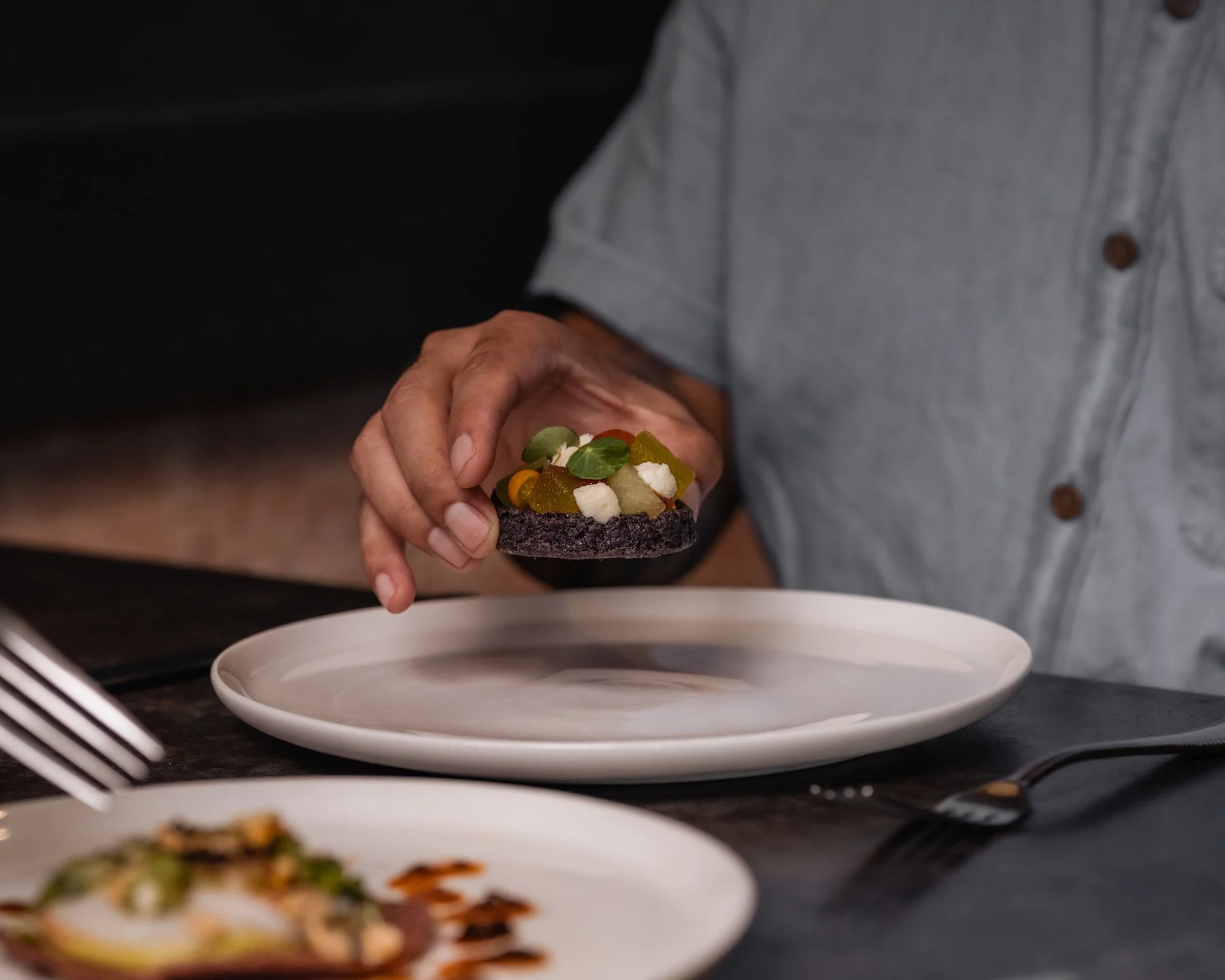
Photo by Keetun Pierce
The techniques, too, remain rooted in history.
“Corn is an ancient, ancient tradition,” Olivia said. “The nixtamalization is pretty old, all those things. But the way that we’re presenting it, our perspective, I would say, is more contemporary.”
That balance, between tradition and now, is where their work lives. Not frozen in time, and not chasing reinvention for reinvention’s sake. Just paying attention to what still works. No time wasted trying to fix what isn’t broken.
That way of working is what felt like a natural fit with Luck. A belief in small-scale farming. In education through experience. In bringing people together in a space to experience something truly special.
“Texas has incredible agriculture, incredible produce, incredible proteins, but corn, that connection, that lineage, that stays Mexican.”
We were proud to help award Molino Olōyō a $25,000 grant at the 2025 Texas Food & Wine Alliance Gala. We can’t wait to see how those funds help carry this vision forward - and to sit at the table when the doors finally open.