Making Space: A Conversation with Carrie Rodriguez
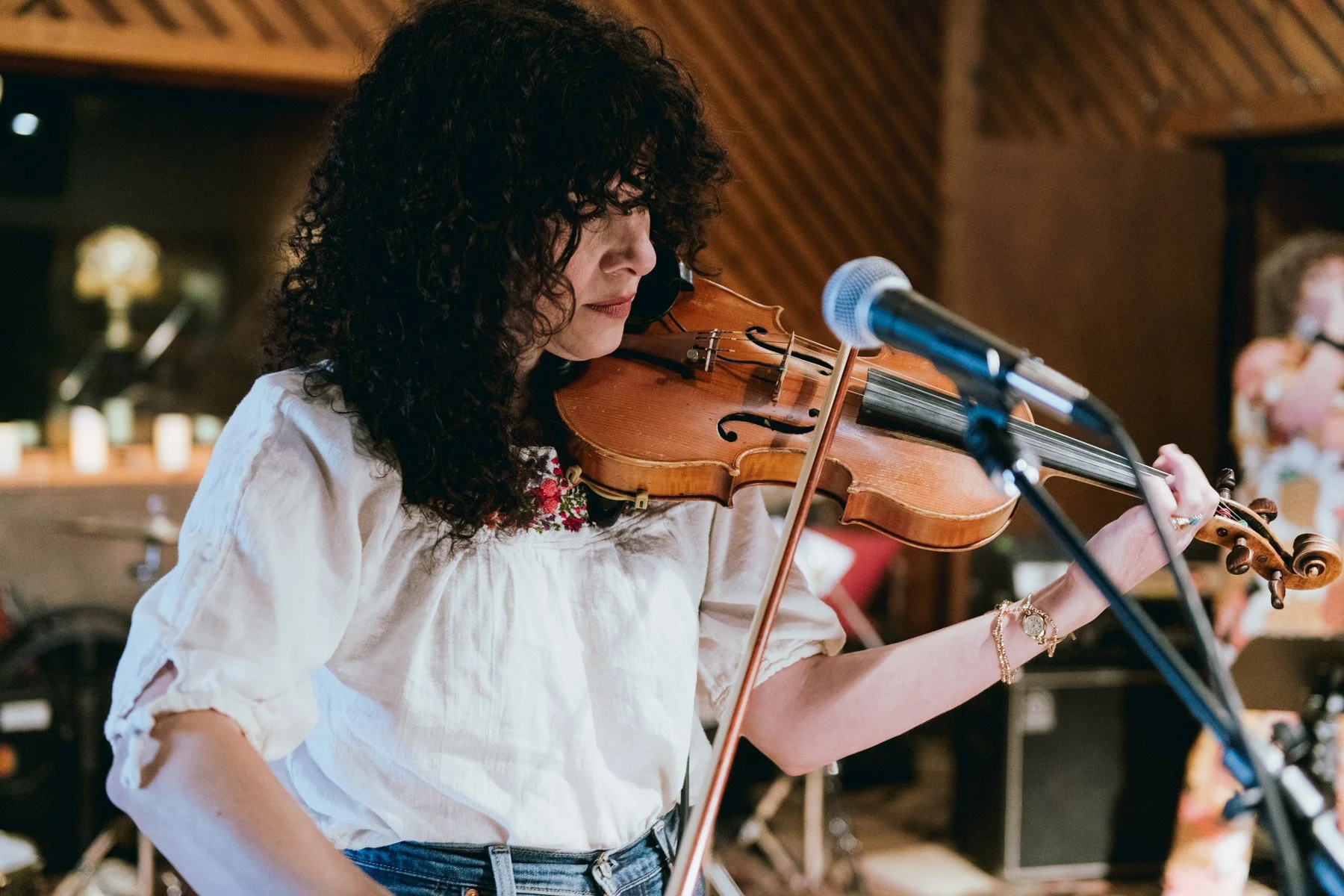
Photo by Michael Weidemann
Carrie Rodriguez is Texas musical royalty, though she’s too grounded in the work to ever claim the crown. From dodging kindergarten nap time to pick up a fiddle to navigating the maze of New York City, her path has always been self styled. We sat down with the legacy artist in Austin to discuss the friction between her classical roots and Americana future - and the jagged grace of leading a band while navigating motherhood.
You’re an Austin native, but you spent a good chunk of your career up north. What eventually pulled you back home?
“I grew up here. My mother brought me in a laundry basket in the back of her red Camaro when I was a few months old. I went to school in Boston and lived in New York for almost ten years, but I’ve been back for a long time. I came back to be near family, and now I have a family of my own. We have a ten year old son who grows up around grandparents. It’s good to be back.”
You spent nearly a decade in New York working with the late Chip Taylor. How did that partnership shape who you are today?
“I was 21 - I was so green. I’m really grateful that he pulled these other musical things out of me that I don’t know if I would have found on my own. He hired me to play fiddle, but pretty soon he had me singing duets and writing songs. My whole young life, I didn’t sing. I wasn’t in choir. I played the violin, that was my identity. Even my father, who was a folk singer songwriter, would try to get me to sing on stage and I hated it. Chip changed that. He was a mentor and a teacher, and writing with someone who is such an important part of the American songbook was an amazing thing.”
You mentioned your father took you on tour when you were only fifteen. That’s a bold move for a parent. What did that experience teach you?
“He somehow convinced my mother to let me skip a month of high school! We played everything from singer songwriter venues to dive bars from Northern Holland through Switzerland and Germany. It showed me that music could take me to so many different places. It’s a way to get to know people in other places and how they live in a much more authentic way than as a tourist. You’re immediately in the community.”
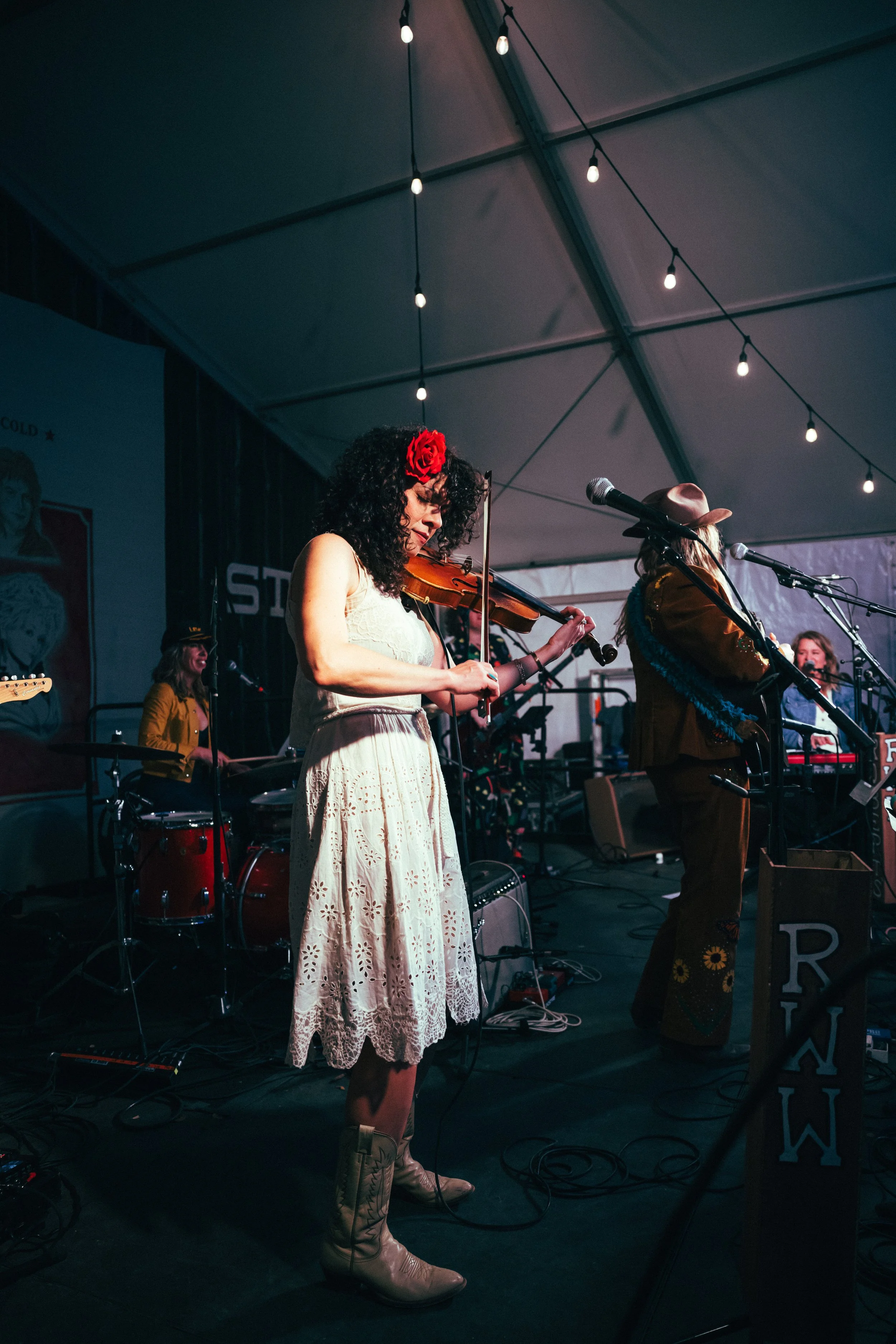
Photo by Justin Cook
Your music often touches on the "bicultural" nature of Texas. How do you define Texas music today?
“My understanding has really broadened the older I’ve gotten. So much of what I do now is music in Spanish. We are a bicultural state - we were Mexico before we were Texas. Mexican music is such an important part of all the music here, whether it’s in English or Spanish. Bob Wills songs were influenced by Mexican farmworkers' melodies .. it’s so ingrained. It’s been a real joy to dive deeper into who we are and the music that authentically represents Texas.”
Let’s talk about the Best of Luck Band. It was an allstar, all female lineup. Was that a response to the gender imbalance in the industry?
“It was an amazing opportunity, but also challenging because women are so underrepresented as instrumentalists. The pool to draw from is smaller because we haven't been given the same opportunities or tours. If I was going to take this gig, I knew it better be the freaking greatest band ever. We have things to prove. Especially in the Americana world, it is still so male dominated. I’ve seen so many 'all star' sets at festivals almost exclusively directed by men. It’s been a thorn in my side.”
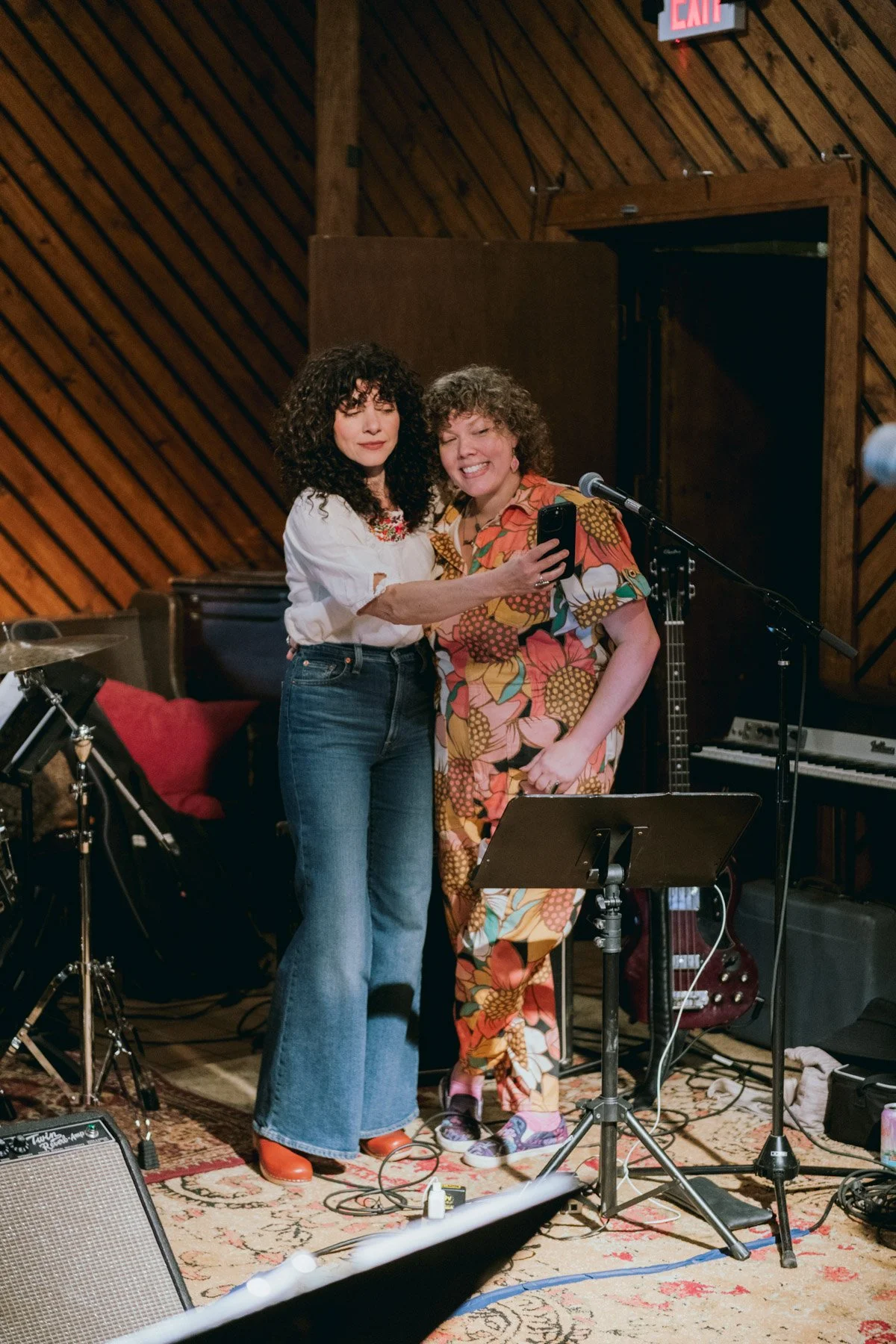
Photo by Michael Weidemann
You were very intentional about the name. You didn't want it called a "female band." Why was that distinction important?
“I didn’t want that to even be spoken of. I just wanted to show up and kick ass and have people go, ‘Oh, wow, it’s all women.’ I felt like pointing it out up front would lessen the strength of the music. I was trying to think of names with 'women' in them, but every name felt token. Cute. ‘Oh, how sweet.’ No. I love that we called it the Best of Luck Band because these were simply the best players.”
What was it like in the moment when that band finally hit the stage?
“There was just this magical energy. It was like, ‘Okay - more of this. We need more of this.’ I saw women in the audience pumping their fists, I think it was just so refreshing. It changed me. It made me realize I need to try harder to include more women in everything I do. We aren't going to grow in numbers until we give ourselves the opportunities to have those experiences.”
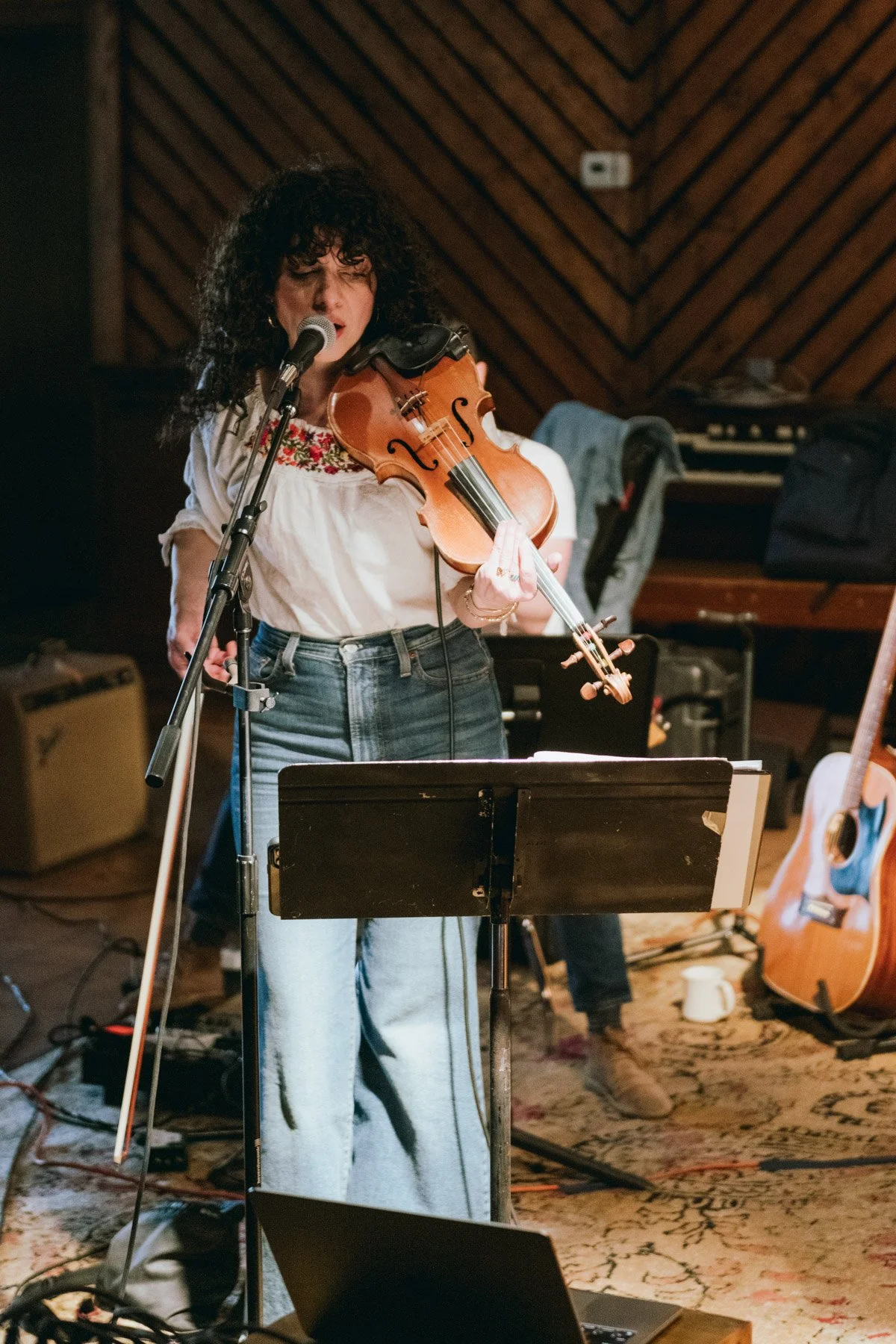
Photo by Michael Weidemann
You’ve been very open about the "raw" side of motherhood and music - like your Tiny Desk session when your son was a baby.
“He was four months old! I remember before the shows, I’d have to pump before I went out on stage. I’m back there trying to pump, doing my makeup, thinking, ‘I don’t feel like playing, I’m exhausted.’ But then I’d get on stage and the music would take over. Whenever I see a clip of that Tiny Desk now, I’m like, ‘I don’t even remember doing that.’”
Is it a priority for you to have your son see you in that leadership role?
“I love that I can let him see a woman (his mom) being in charge, being the musical director, or the producer. He’s been selling merch at the table since he was tiny. He helps plug in cables, he’s watched lighting designers run boards. It’s harder to take them along. It’s more work and more exhausting, but it’s so worth it. They get an education they aren’t going to get otherwise.”
You seem to be moving into a very collaborative chapter with your Laboratorio series and new recordings. What’s driving you right now?
“I just seek out projects that expand my understanding. I co-produced an album with a Tejano legend, Ruben Ramos- he’s 86 years young and an icon. I’m exploring Colombian music, jazz - I think the thing I love about music the most is that no matter what age you are or what stage in your career, there’s always something new to learn.”
Looking back at "Old Austin" versus "New Austin," do you find yourself missing the 90s scene?
“I don’t really get too melancholy about it. I come from Old Austin - my stepfather was a bouncer at the Armadillo World Headquarters! But I embrace the new. There’s so much more diversity in our city now. Culturally, I’ve been very inspired as my community expands and I get to know people who do totally different music than I do. I love that about the new Austin.”
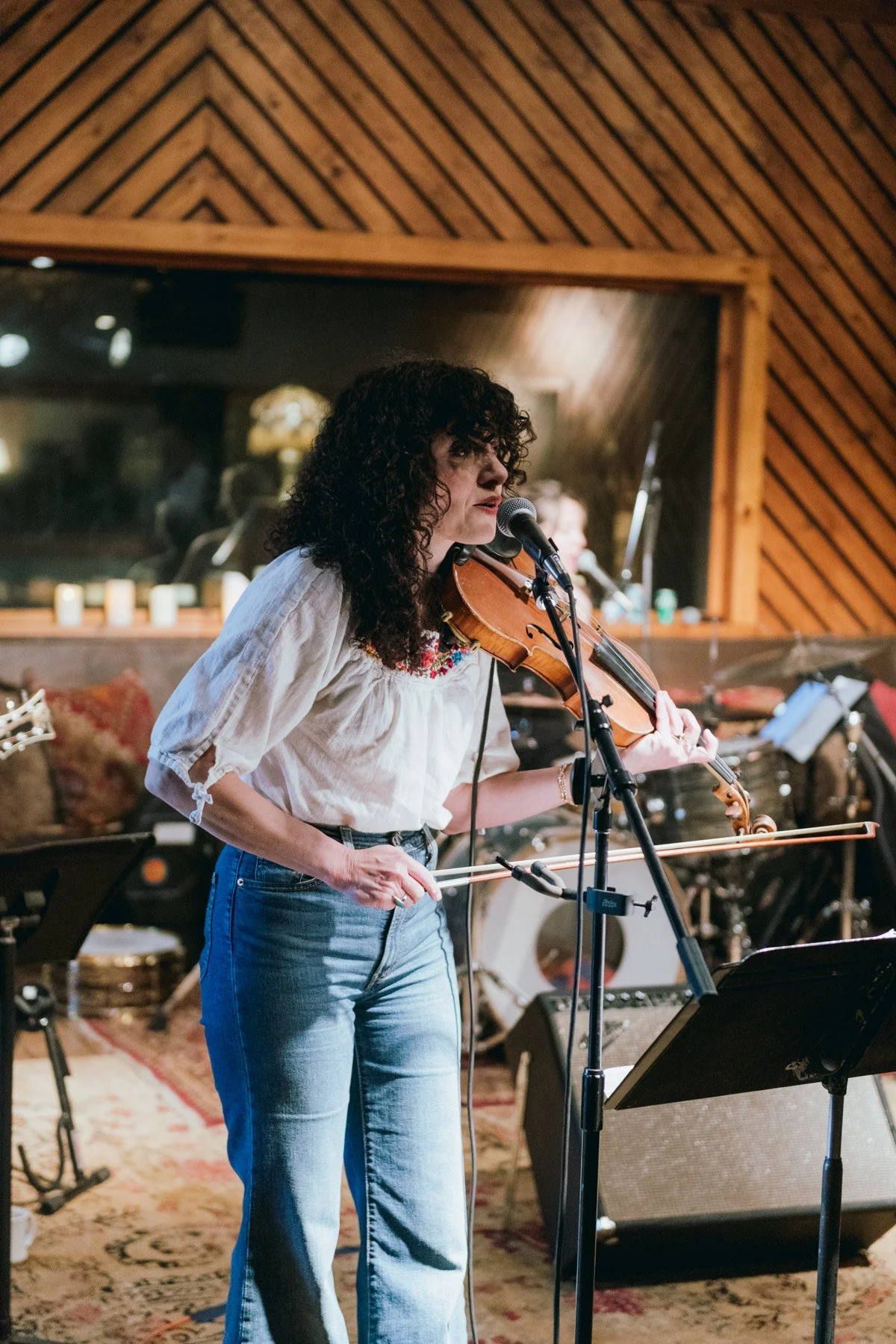
Photo by Michael Weidemann
It sounds like you’re exactly where you’re supposed to be.
“That set at Luck Reunion was seriously a highlight of my whole career. I’m not exaggerating. I’m just so grateful to have a platform to talk about it, because it was amazing.”