Coming of Age with Emma Ogier
There is a gravity that surrounds an artist who refuses to build a career out of algorithms. In an industry hyperfixated on the ephemeral sugar rush of going viral, twenty-two-year-old Houston native Emma Ogier is staging a confident rebellion centered on artistic endurance. Her music unravels like a series of intensely private journal entries, tracking the tumultuous, beautiful, and disorienting process of growing up in real time.
Since packing up her life and moving to Nashville, Ogier has become one of the most compelling young songwriters in the indie alternative landscape. Recently signed to the historic Lost Highway Records under Interscope, she has spent the last year inside studios from Nashville to Woodstock, live tracking a massive culmination of songs that span from her very first week of college to the present day. Fresh off her milestone performance at Luck Reunion - where she stood as one of the youngest artists on the entire bill - Emma sat down with us to chat about her upcoming album, the creative necessity of stealing like an artist, and why vulnerability and absolute conviction might just be the most dangerous tools a modern songwriter can possess.
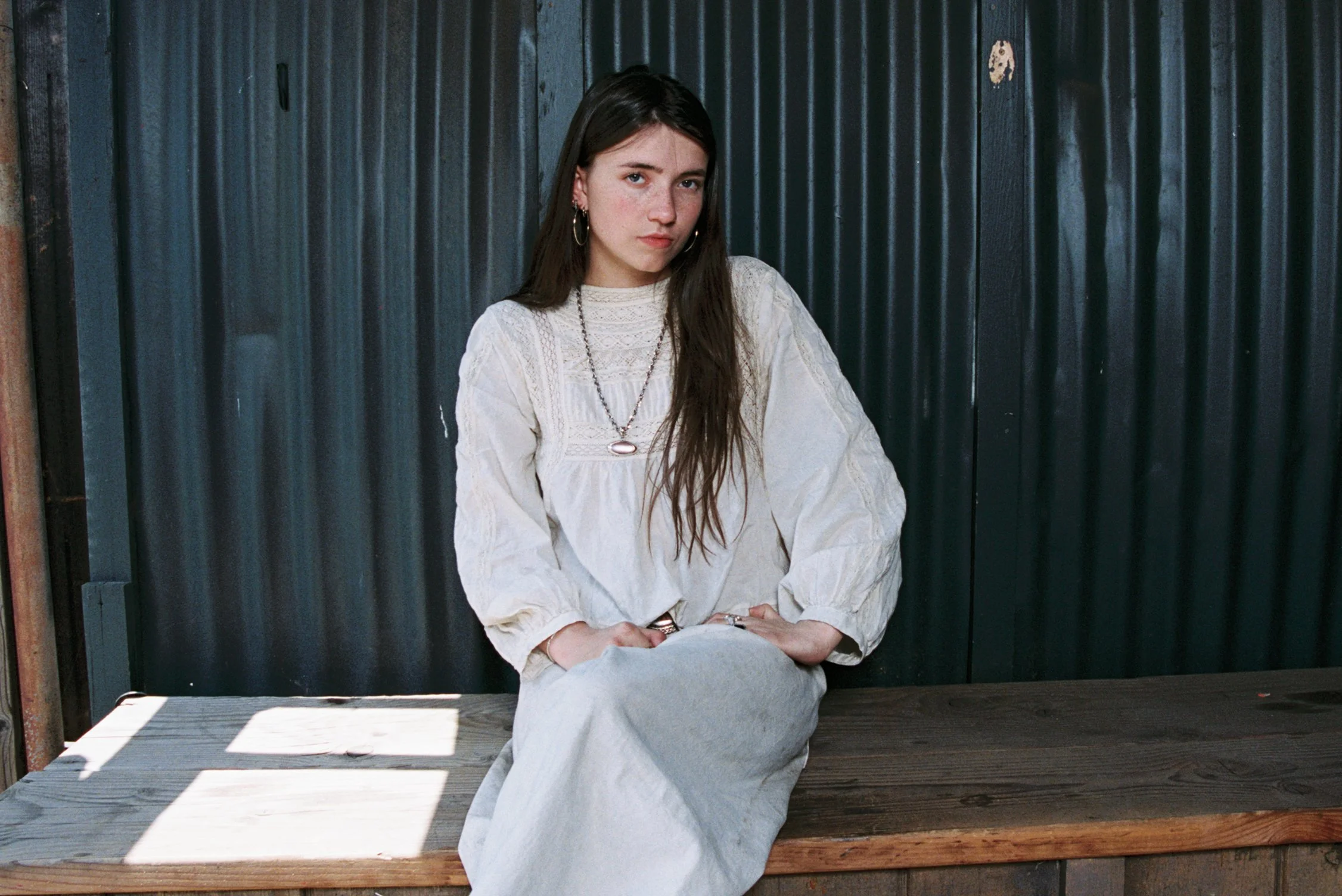
Luck: To kick things off, I have to bring up a bit of local lore. I was doing some deep dive research into your footprint before this call, and your presence on places like Reddit is fascinating. There are entire threads of people tracking your early unreleased music, practically screaming, "Who is this girl? We have to find her!" What has it been like navigating that rapid wave of grassroots curiosity right as you're getting started?
Emma: It’s really cool and interesting. People are just so curious about it, which is exciting because whenever I find an artist I love, I’m the exact same way. I’m always like, "How did this person actually blow up or how did people find this?" If it’s through TikTok, I usually can figure that out myself, but I’m always looking for the other ways that growth happens. For me, the through line is that the more I am myself and share things in a way that feels tasteful and cool to me, then people seem to resonate with it.
Honestly, I don’t care if I go viral. I feel like going viral actually takes a lot away from you because you become "this thing" or "the this song girl," and I'd rather people find a song and go check out my album when it's out. Labels are so pushy on needing a lot of people to find a track instantly. But it's cool to be this niche thing right now that's getting a lot of attention without being mega viral yet, because you can keep growing. Otherwise, you're just stressed trying to go viral again and you're like, "I can't go and do it again, you know?"
Luck: It allows the foundation to be completely genuine. Does that mean you don’t have a specific, traditional ceiling for what "success" or fame looks like for you?
Emma: Nah, I'm to the stars and moon, wherever. I don't really have a ton of expectations. I've never seen a limit though, or thought, "Once I win a Grammy, I'll be happy." I want to play music until I'm ninety years old, and that's sort of it.
Luck: Looking at the broad strokes of the music you’ve put out so far, it truly feels like a coming-of-age piece. We are getting a front row seat to different versions of you as you process life. Does it feel like you're sharing literal journal entries with the world?
Emma: Yeah. My songs are pretty personal, but I never go into writing being like, "This is gonna be about my breakup," or "This is gonna be about my friend who was mean to me." I never think of it before. I literally sit down and start saying random words until it eventually makes sense. Most of my songs are just strung together phrases, so I don't even know what they're about at first.
But that’s exactly what makes them universal - I’m not intending to tell you a story about my life. It’s really me processing my own life, and I write in a really neutral sense. If I'm saying, "I hate you, you made me sad," I'm also saying, "But I actually understand why you did this and I want to understand you." Both truths can exist at the same time, and that’s what can make someone else relate to it and learn from it.
Luck: That requires a level of emotional maturity that a lot of people in their early twenties haven't unlocked yet. You're able to look at conflict neutrally.
Emma: I figured out it’s kinda because I’m a pretty chill person. I don’t really get mad at people or fight with anyone, because I can go have a song about something and super empathize with the other person. Here’s how I feel about it, but I understand you too. It's this longing to be understood that makes you try to understand other people.
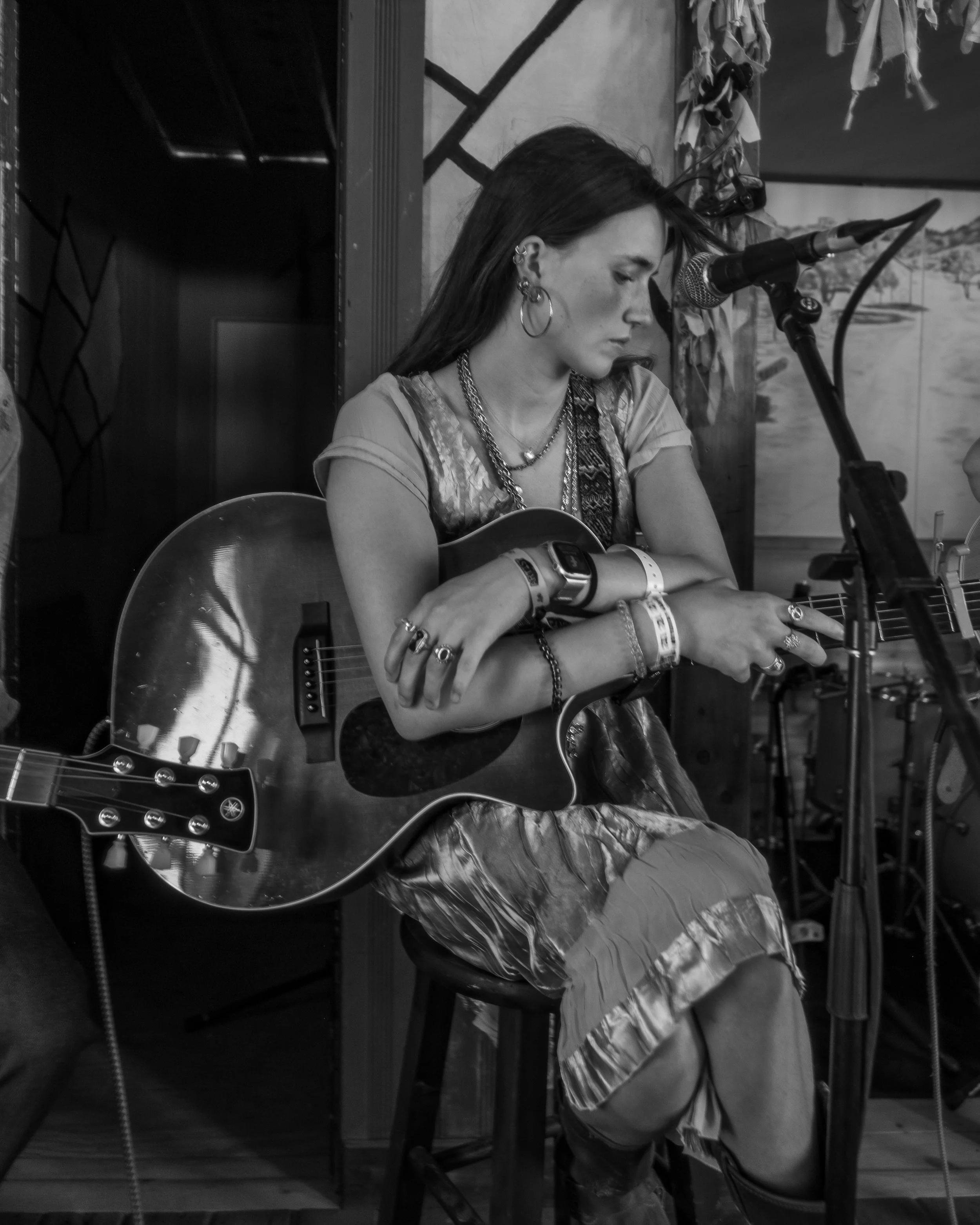
Photo by Justin D. Heron
Luck: Do you ever look back at tracks you finished a year or two ago and have a sudden epiphany about what you were actually writing about?
Emma: Yeah, that’s always what happens. It’s either when I finish the song, or halfway through I'll be like, "I’m kinda getting the sense I’m talking about this." But sometimes it takes a year. Even last night, someone brought up a line of mine: "Daddy already told us to watch it when we'd get a little close to the bottle rocket." I always thought that line made no sense and that I just made it up. Then they told me they were gonna shoot bottle rockets on the Fourth of July like my song, and I was like, "That's what a bottle rocket is? I thought I invented that word!" Suddenly the line made so much sense. Sometimes the meanings change over time. I have love songs I wrote when I was falling in love, and now they actually make more sense for my current situation than they did back then. It’s not predicting the future, but it's manifesting how you handle things or how you want things to look.
Luck: It must be a beautiful thing to look back and see your own evolution documented so clearly. You mentioned you’ve been hanging around some of your absolute favorite songwriters recently. How has that community influenced your approach to the craft?
Emma: Being around them makes me like, "Oh my god, I have to write a good song." Not to impress someone, but just for me to sit down and be really thoughtful about lyrics or melody. I am a very influenced artist. I love listening to a song and being like, "Oh my god, I bet that person was listening to this album when they wrote this," because I can hear the influence. A lot of people hate that because they think you're copying, but inspiration is so sick. If you're an artist, you change it and it sounds like you within their inspiration.
Luck: Absolutely - it's that concept of "stealing like an artist." All tides rise all boats when creators bounce off one another. Who do you feel has historically left the biggest fingerprint on your musical identity?
Emma: It always changes because I'm so influenced by other artists, which is why I think my music is a bit confusing to people and hard to put in one genre. I listen to a lot of rap music, but then I also learned to write from people like Lori McKenna and the Indigo Girls. As I've gotten older, it's really whoever I'm listening to in the moment. Like my song Baby Don’t Hurt Me - I was listening to Sweet Spot, the Justin Bieber song, and I was just like, "I have to write a chorus that's this catchy that I wanna hear over and over again." That's what made me do a chorus like that, and it works, even though you'd never naturally associate those two together.
Luck: You are currently rolling out singles that are leading toward a massive body of work. What can you tell us about the architecture of this upcoming project?
Emma: This project is a big culmination of songs from my first week of college up until now. Baby Don’t Hurt Me was the last song written for it, which I did this past September. They all feel very together to me because they look over this huge period of growth. I had a team at the beginning of college who I couldn't work with anymore, and it completely halted my songs coming out. But it made me sit down and really learn how to be a songwriter. Before that, I was just writing songs, but afterwards I was like, "I'm gonna write some freaking songs, you know?"
I wouldn't say there are specific people influences on this album because it's so me-specific, but it's that clusterfuck of artists that I listen to. I don't listen to a ton of mainstream music, not to be "pick me," but it's literally old people and random electronic pop or alternative indie pop bands. We recorded it with this guy David Baron who lives up in Woodstock. Once I had a big chunk of songs, he was a total mentor and was just like, "Let's go make some songs." We got in the studio and live tracked everything with the band in Nashville over the course of a year, doing it in three separate blocks. Then I would go up to Woodstock to do vocals and overdub stuff.
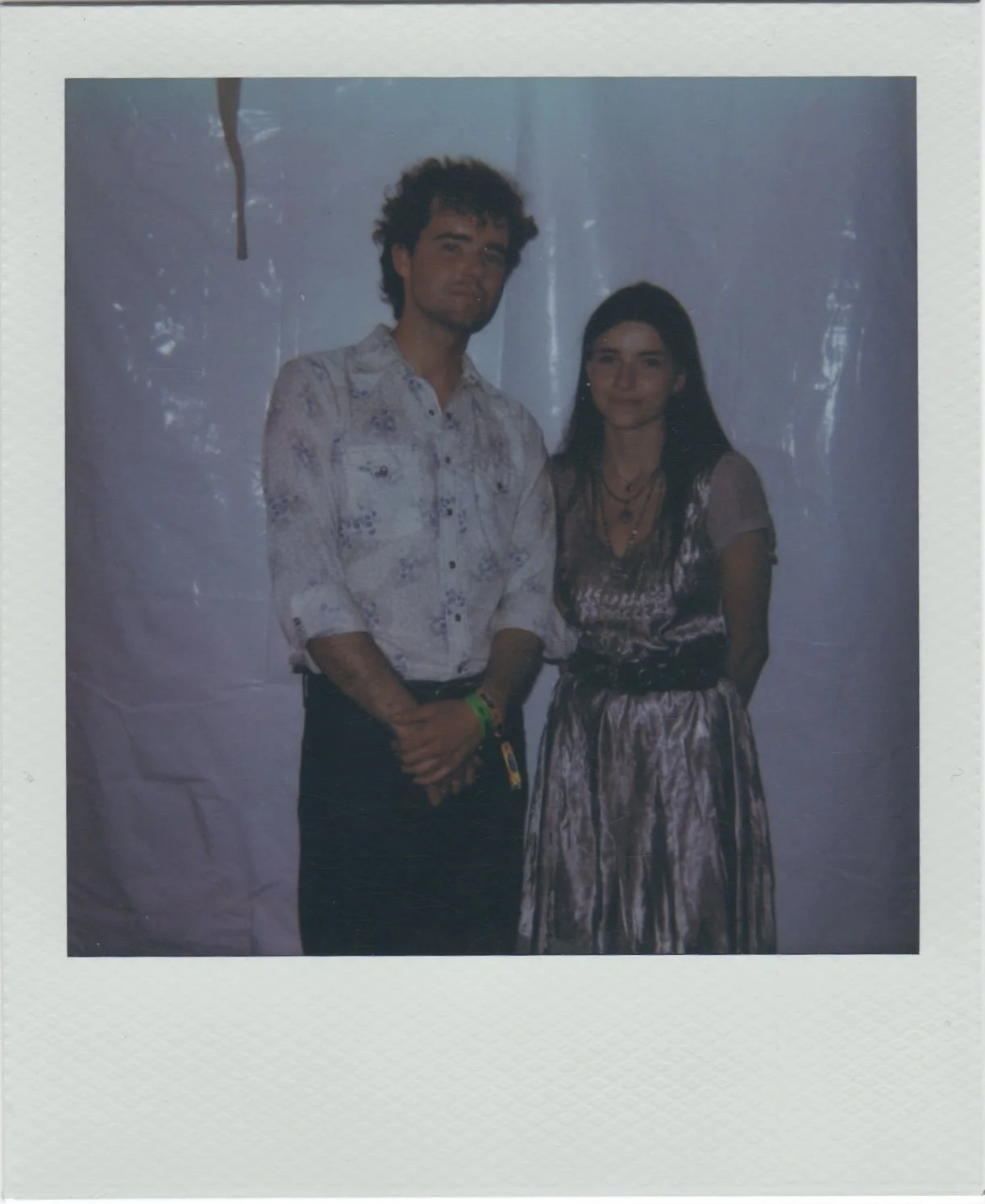
Photo by Kelsie Wilson
Luck: I understand you have a unique production approach where you don't abandon your raw bedroom demos, but actually layer them directly into the professional studio cuts?
Emma: Yes! The recording inspiration comes heavily from my bedroom demos because they start off with a ton of synths. They have no electric guitar or real drums - it's just electronic drums and a bunch of synth noises. What became really cool about recording was that instead of scratching the demos, we took my synths from the original bedroom files and put them right onto the live band tracks.
I put out projects of my demos on SoundCloud, so you can go listen to the Baby Don’t Hurt Me demo on there and hear the exact same synths that are on the actual official song. You can see here’s where we started and here’s where it went, and they’re both fully me. David is really good about understanding me as an artist and helping get it to a spot where it's accessible for people to love, but still exactly how I envisioned it. Most people would redo everything or scratch the demo completely, but I love doing it this way because there is something special about the demos. I'm not a good engineer and I don't really know how to make things sound "good," but I love producing my demos and putting harmonies in certain places.
Luck: If you look at where you are standing right now, today, are you floating, flying, or searching for the runway?
Emma: I feel like I'm flying. I always feel a little bit of all of it simultaneously, but I feel grounded but also kind of soaring and taking off, definitely.
Luck: I hear there is another big transition on your horizon.
Emma: I am actually moving to Los Angeles next month, and I'm so stoked! Moving to Nashville completely changed my life. It took me from Houston, where the only people I knew making music were me and my brothers. Houston has a big hip hop scene and I try to carry that Houston swag with me, but I didn't know alternative artists there. Then you go to Nashville and literally every single person wants to do exactly what you're trying to do. You have the opportunity to play a hundred shows a year and everyone is a community. I tell every artist that you should live in Nashville for two years, play a hundred shows, and learn what you want in your sound. I'll always have a forever community here to lean on, but I'm ready to go explore somewhere else and build that up, too.
Luck: As an outsider looking in, there’s an assumption that Nashville is entirely dominated by traditional commercial country. Did you find that to be true within your circle?
Emma: Not at all, which always surprises people. There's a ton of country music happening here, but in my age group and the up-and-comers I know, almost nobody is playing pure country music. It’s mostly indie rock and this hard acoustic sound. My music definitely has country influence which I love, and a lot of people's do. Like my buddy Ryman does what he calls "barn pop" - it's country music but pop music at the same time, though it's not like pop-country or the Post Malone thing. But yeah, among the crew you see on the internet from Nashville, I don't know a ton of people making pure country.
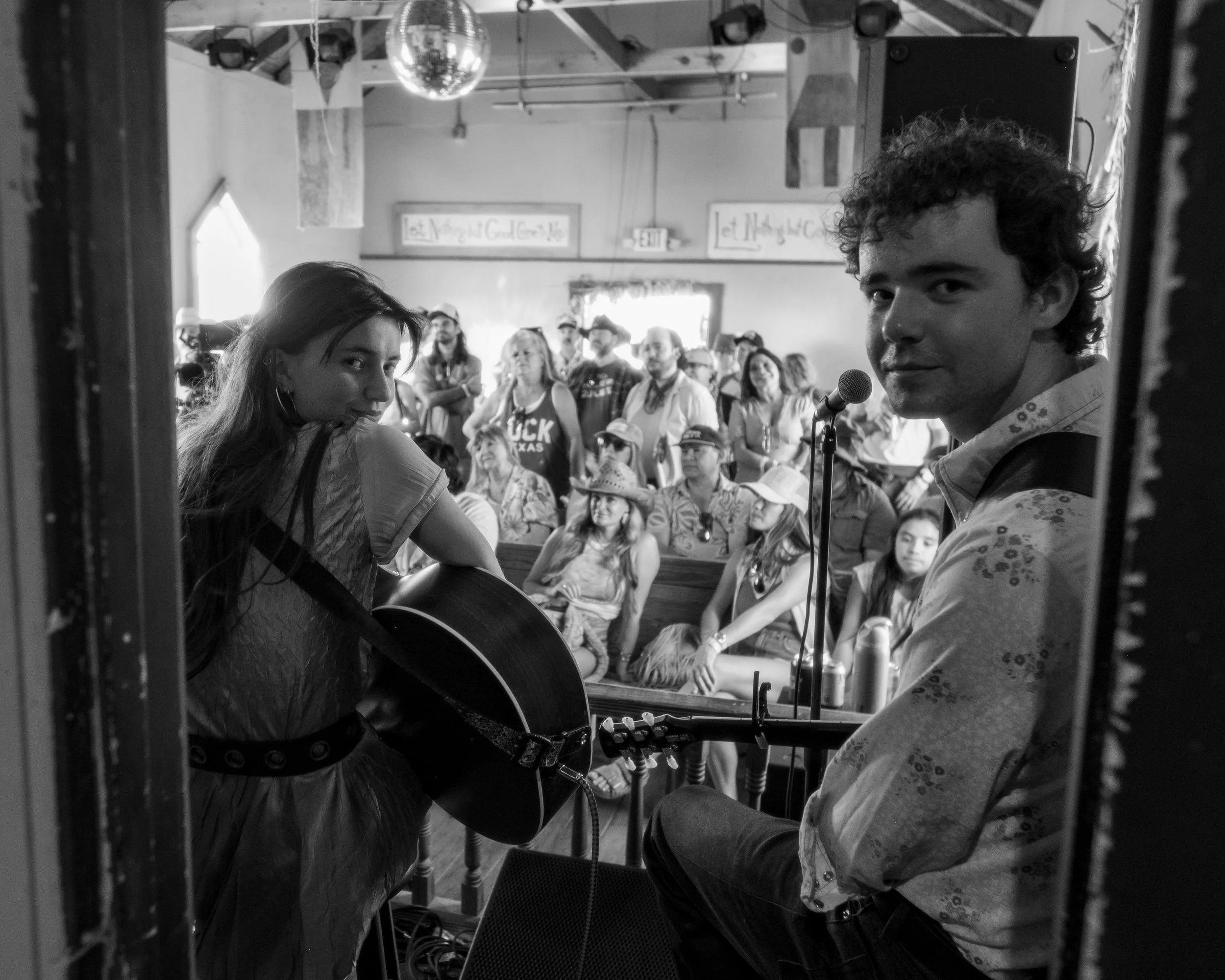
Photo by Justin D Heron
Luck: Let’s look at your experience at Luck Reunion this year, where you stood as one of the youngest artists on the entire lineup. How did that partnership come together?
Emma: I got put on the BMI stage through their booking team. It was so special for us as Texas kids. Me and my brother Aiden came out, and we got to play in the chapel together on the Todd Snider day, which was the day after the writers' round I did on the actual festival day. We thought it was so special to be around all these Texas singers and songwriters. I showed up not as privy to that world as my brother was, but I've listened to Todd Snider and Willie for a long time, so it was like, "This is Texas country, this is so sick." Being the youngest person to play the festival this year with the most alternative music where people are like, "I don't even know if this is country or not," was really cool. I actually told Matt that they should have an East Nashville Skyline stage - named after the Todd Snider record—and have young Nashville up-and-comers come play it, because a ton of my friends would be so sick at this festival.
Luck: You mentioned getting to sing Conservative Christian, Right Wing Radio Star for the Todd Snider tribute. You’ve also cited icons like Joni Mitchell and Jackson Browne as north stars for your career. When you are breaking down art that inspires you, what are you looking for?
Emma: For me, it's really a vibe, and it has to feel real. I'm not into music that just sounds like everything else but a little bit different. I think the industry is really in need of dangerous music right now that goes outside of the trend bubble. Like when a band like Geese blows up, it's so cool because what's been mainstream recently is super pop music. Artistry is artistry and I appreciate all of it, but I'm drawn to hearing an artist and knowing they have something to say that isn't just about making a pop song or telling me about your boyfriend. At the same time, I love a good basic pop song or a band like Armlock where I can just put it on and it's great music, even if I never listen to the lyrics. I can see pretty easily when something feels like it's just happening to happen, but I don't care about going viral - that's literally not why I'm doing this. The people who need to hear this music are gonna hear it because they'll show a friend, and if someone doesn't like it, that's totally fine.
Luck: "Dangerous music" is an incredible phrase. What does that concept mean to you contextually?
Emma: It means vulnerability and absolute conviction. That is what makes art dangerous. Believing, the song that just came out, is a really important one for me. It's a song about falling in love and being scared of it not being reciprocated or what it looks like in two years, but it's also like, "I'm following my heart and I believe in myself." Those songs are super inspired by old soul music like Aretha Franklin and Nina Simone.
The way those women would start a song was so dangerous. They would look at a room and be like, "I love you and I'm gonna love you till I die, period." It's such a statement that people today are terrified to say because they're worried like, "Oh my god, is this about me?" My unreleased track Hands Tied was directly inspired by that old music. The line is, "I'm gonna love you, fallen forever." I wrote it because I felt that exact emotion right then, and I didn't care if it worked out or not - I'm gonna say exactly what I think. In a world that is so afraid of absolute statements because of internet commentary or cancel culture, everything has gotten incredibly soft. Standing up and singing with unfiltered conviction is a scary thing to feel, but that's exactly why the world needs some dangerous shit.

Photo by Brooks Burris
Luck: To wrap things up, you have a single dropping on July 10th. What can you tell us about Rock Steady Heavy Metal?
Emma: It's a post breakup friendship song, and it actually features my ex boyfriend singing on it with me - we wrote it together. We dated for about a year, and we were always good friends, but as songwriters we reached this weird middle place of wondering if we actually wanted to date. After we broke up, we really took it upon ourselves to remain friends because we're great musical partners who support each other as young up-and-coming artists.
I had started the song and brought it to him while we were dating, and after the breakup, David Baron was like, "I think this song is really good, y'all should finish it and record it." I was pretty heartbroken at the time, but he came in and we finished it. The most important line is in the bridge: "I'm on your side, just keep on rocking." It ended up being a song about friendship and love, and how love can look different at different times. Just because you're not dating doesn't mean you can't be friends and support each other the way you always said you would.
On The Horizon
Emma Ogier operates with the kind of artistic clarity that usually takes a lifetime to cultivate. By treating her catalog as an unpolished mirror of her own evolution, she has bypassed the superficial trappings of internet stardom to build something designed to last. As she prepares to release Rock Steady Heavy Metal on July 10th and packs her bags for the coast of Los Angeles, she stands as a vivid reminder that the future of independent music belongs to those brave enough to keep things dangerous. Stream her latest single Baby Don’t Hurt Me everywhere now, and keep an eye out for her new album dropping late fall.