Hedging the Bet: On Farm Aid and 40 Years of Stepping Up
“Musicians know as well as anybody else what's going on in the heartland because we go up and down the highway all the time and we talk to people. I saw farmers around me going out of business ‘cause they couldn't pay their bills.” - Willie NelsonIt’s been nearly forty years since the first Farm Aid. Since Willie Nelson decided to act on something he kept hearing again and again while he was out on the road, stopping where you stop when you’re moving town to town. Diners. Quick stops. Farmers kept telling him the same thing: they were losing land and running out of options. They were doing everything right and still falling behind.
Farm Aid never intended to be a long-term thing. It was a response to Willie asking: What can I do to help?
Farming has always been a gamble. On weather that cooperates. Markets that hold. A season good enough to get you to the next one. In the 1980s, that gamble lost big. Interest rates climbed. Land values collapsed. Debt swallowed farms whole. Families were pushed off ground their names had been tied to for generations. Some laws slowed the damage, but the pressure never left. It just stopped making so much noise.
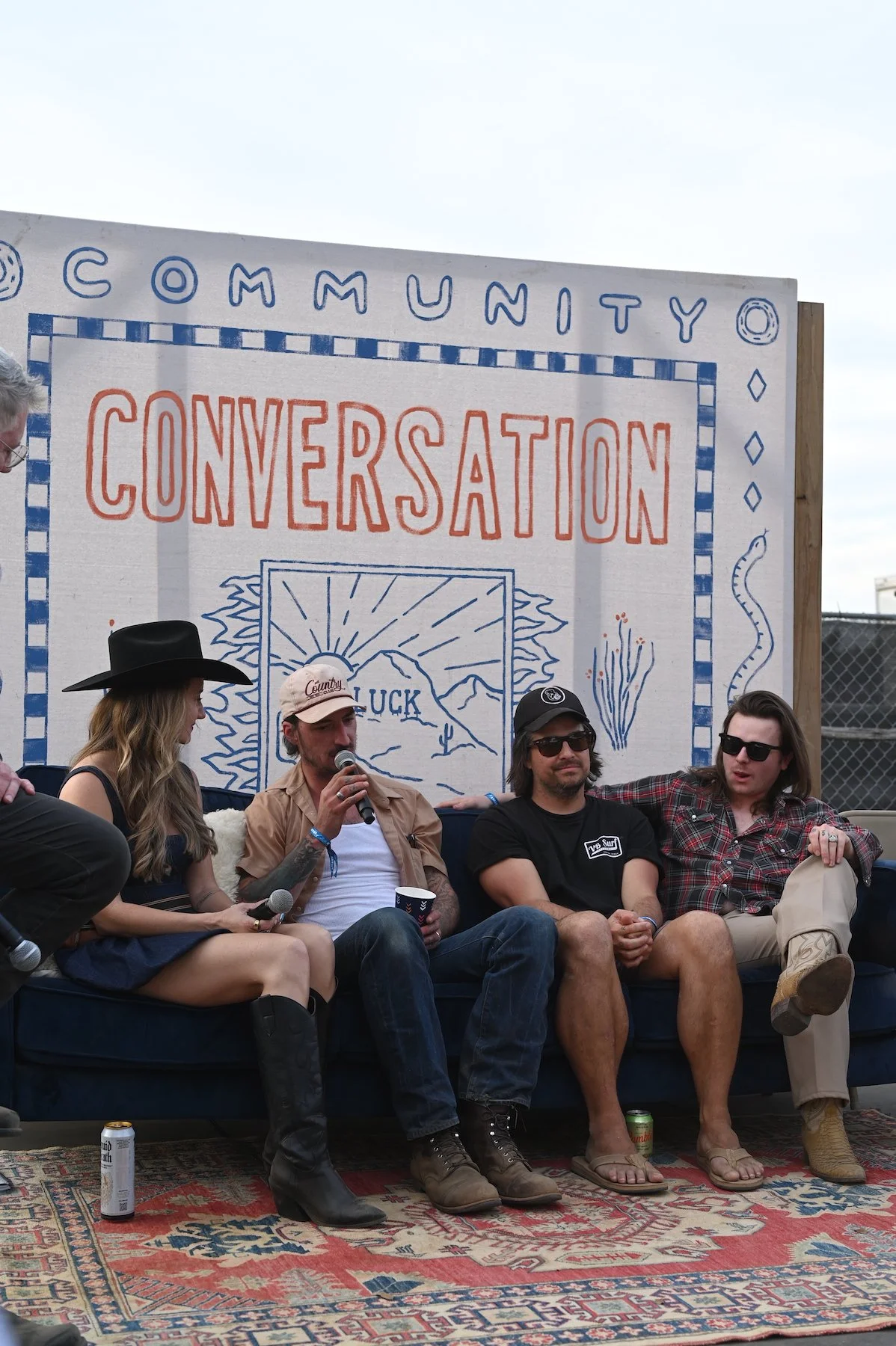
That’s where Farm Aid and Willie himself stepped in, boots on the ground. As Jennifer Fahy, Co-Executive Director and Communications Director of Farm Aid says, “Willie Nelson had the wherewithal to know what was happening, because he's touring the country. He's meeting with farmers. He's going into diners and road stops and talking with folks. And of course, he came from agriculture as well, having grown up with his grandparents on a farm, doing cotton production. And he said, What can I do to help? And so, the Farm Aid concert came together in about six weeks. He didn't intend for it to be an ongoing thing by any means, but every year he would sort of circle back and go, how are the farmers doing? And the answer would be, they still need support. So Farm Aid kept going.”
Today, farmers are facing pressure from every direction at once. Consolidation has concentrated land and power into fewer hands. Tariffs and lost markets undermine the ability to sell what’s grown. The cost of production continues to rise. For new farmers, the barriers to entry can be so high they never get a foothold at all. The system asks farmers to be endlessly resilient, without offering the structure to make that possible.
So, Farm Aid has chosen to show up. Every year.
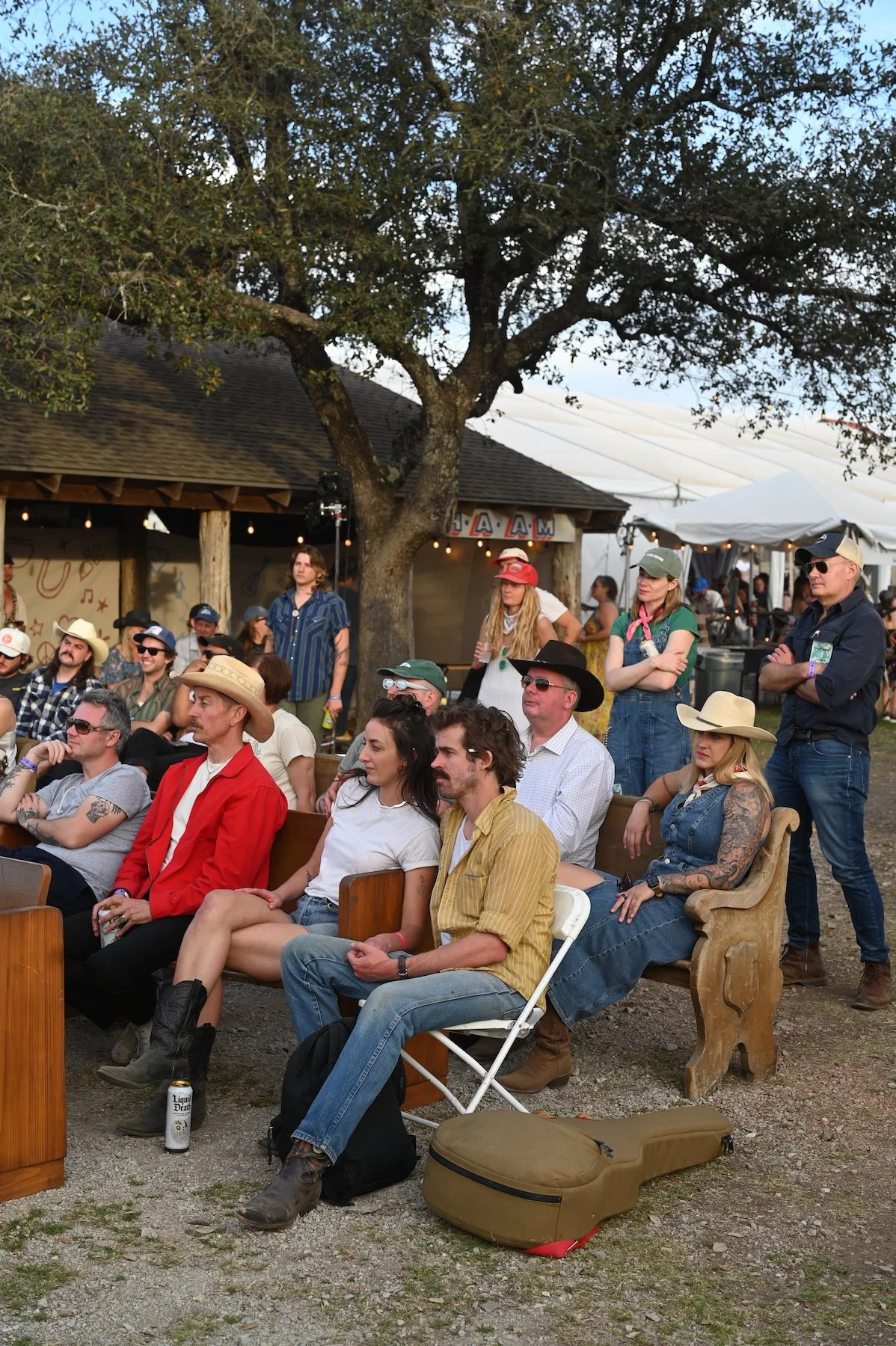
The concert is the front door. It raises money and awareness. But the work extends far beyond a single day. Early Farm Aid organizing helped push forward legislation that stabilized parts of the farm economy past the first concert. Since 1985, Farm Aid has operated a farmer hotline, connecting farmers, including new farmers, to real resources: land access, financing, legal help, and practical guidance.
It’s heavy work. But as Jennifer pointed out, the goal isn’t just to tally wins or policy victories. It’s to shift culture. To help people understand how food actually reaches their plate, and why that matters. Because change takes root when people feel connected, not lectured.
“We’re not just focused on, like, what's our policy win? It's really about ‘How do we shift culture? How do we shift people to an appreciation and understanding that will help to change the world?’”
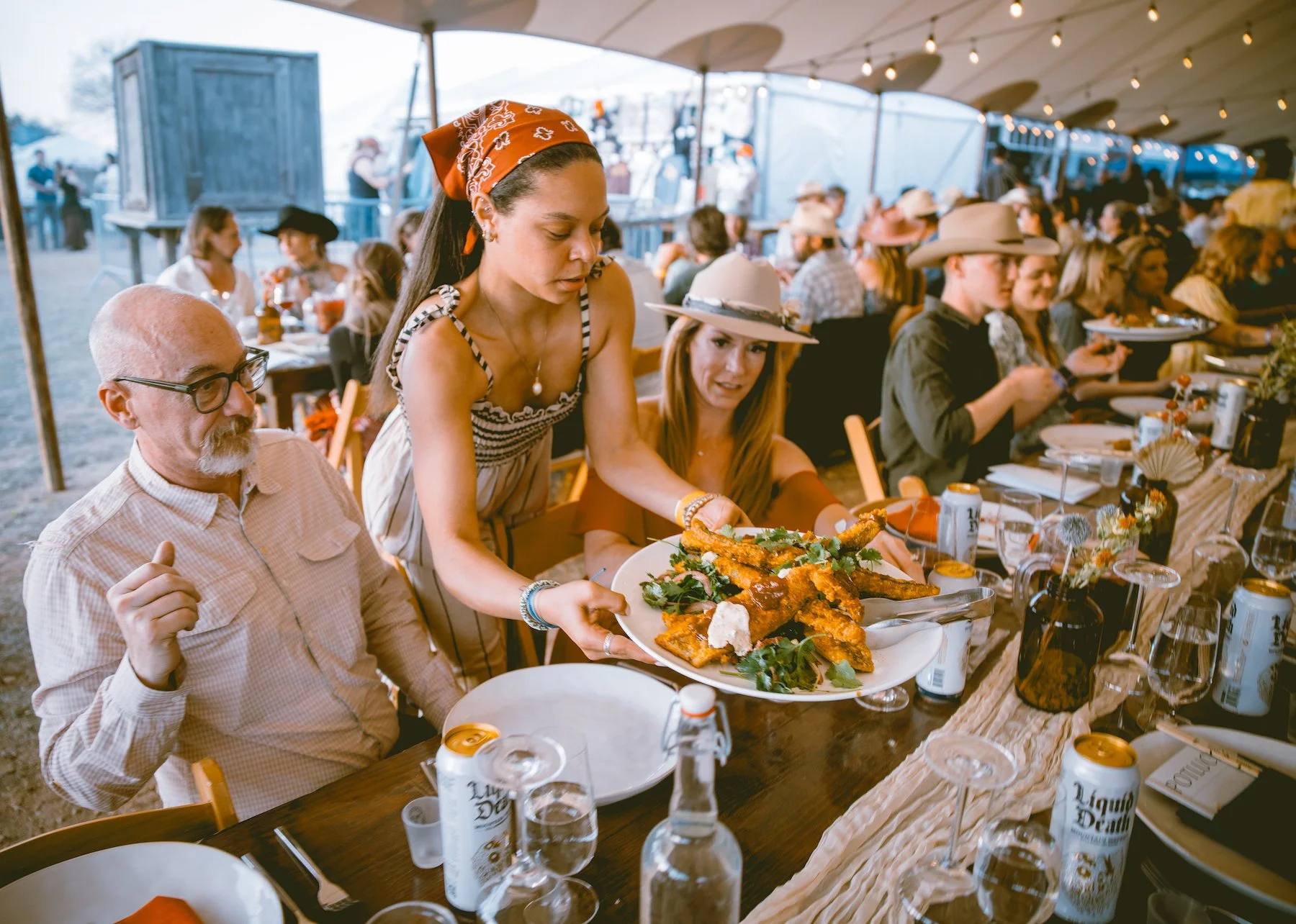
That’s part of what makes Farm Aid’s partnership with Luck feel so natural. Through the Potluck dinner, we highlight chef–farmer relationships, support local producers, and raise funds that go directly back into work after our own heart.
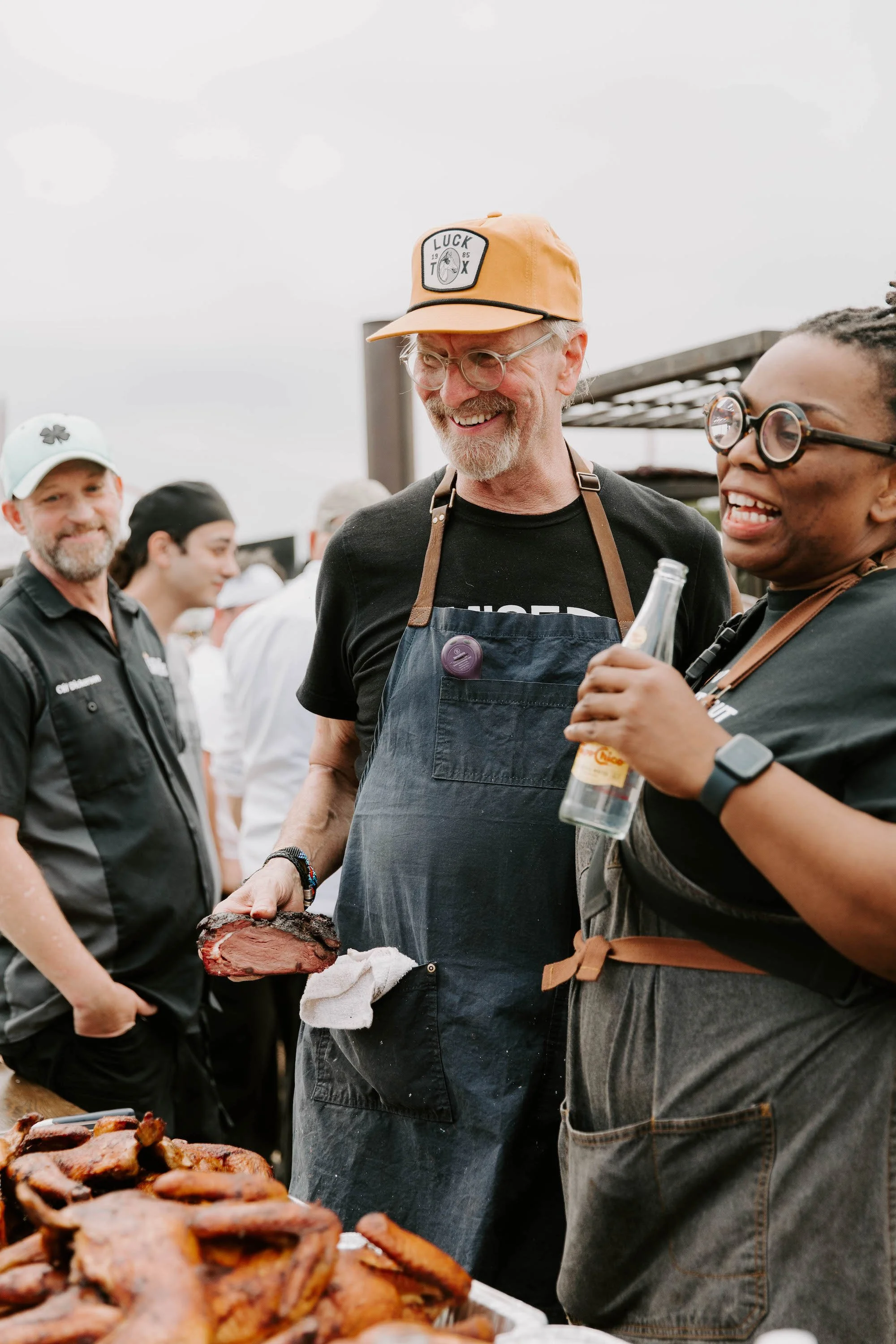
At Potluck, inspiration is baked in. You’re supporting chefs that just get it, who in turn support small-scale farmers, eating food made, sourced, and grown with intention. You leave knowing that what you participated in mattered… and that feeling tends to stick.
So what does contributing actually look like? Jennifer is clear: it doesn’t have to be drastic.
“It’s not that people need to only support the local farm down the road when they make these changes. But even shifting 10% of your food buying can have a huge impact. So, you know, going to the farmers market every other weekend and making some of your food purchases from local farms has that huge impact as you begin to pull away a little bit from the system.”
It also means learning how the food system functions. How global and interconnected it is, and how policy shapes outcomes. It means paying attention to things like the Farm Bill. Understanding how decisions made far outside of the heartland ripple into fields and kitchens and families. Awareness is part of participation.
And maybe most importantly, Jennifer reminds us not to lose sight of the joy.
“It'll bring you closer to your food roots. It'll connect you to people who are wonderful. It'll connect you to an understanding of our Earth. Getting involved in localizing your food and becoming more aware of it makes people happy.”
Farm Aid has never been about fixing farming overnight. It’s about staying, because the work isn’t finished. About paying attention, because too many won’t. And it’s about choosing to keep asking the same question, year after year, until the answer changes.