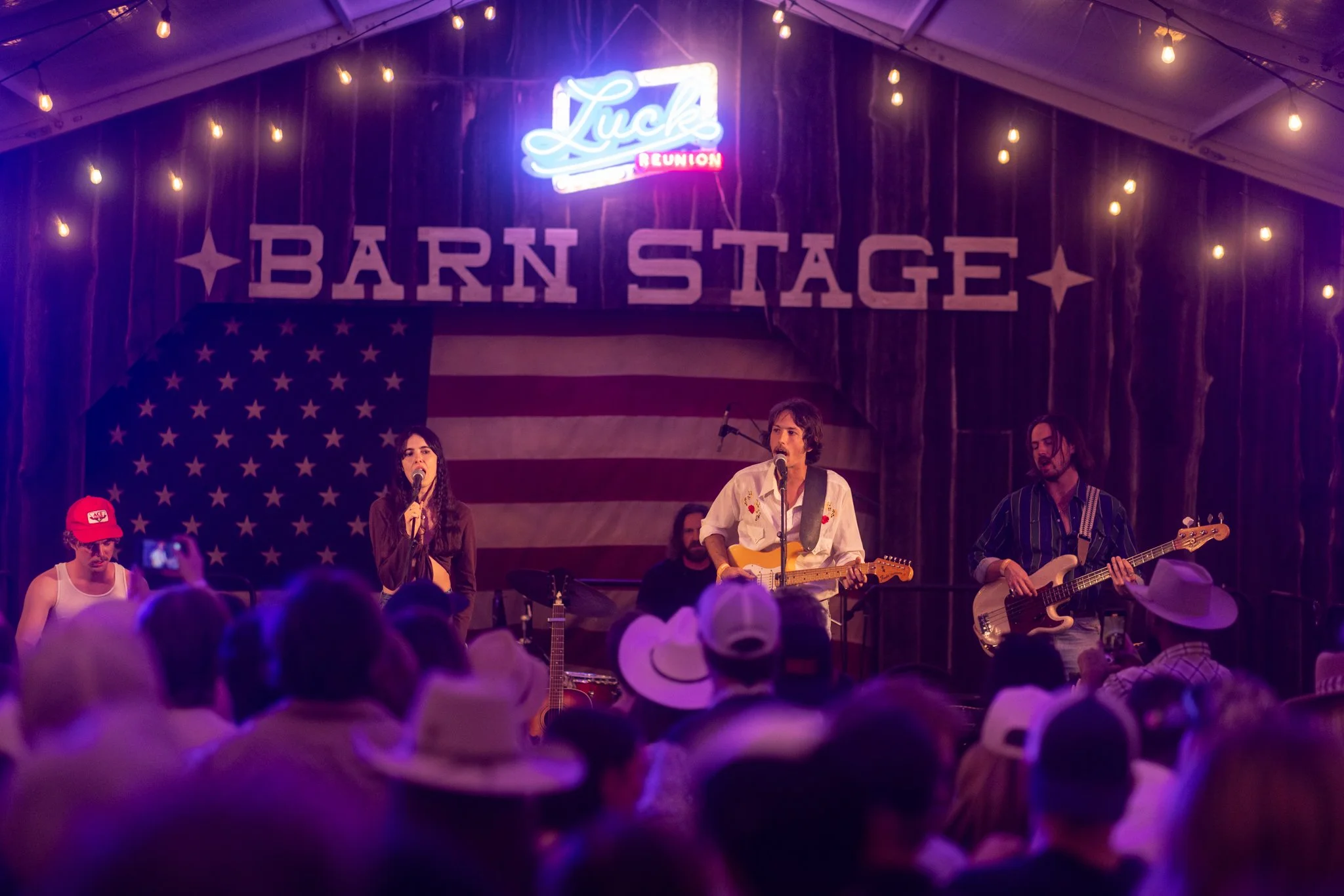
Alex Amen isn’t in a hurry. The pace he lives his life feels almost analog. Something about his story reads like it belongs to an earlier era – a world before cell phones and day-long notifications and songs weighed in streams. His music feels like that, too. In a time hyperfixated on sound bites created to go viral, Alex is recording EPs on gear older than he is, band members scattered around a dated living room on a commune above LA. He’s restoring boats and finding mentorship in Rick Rubin. He doesn’t feel of this time. And that’s exactly what makes his work feel so needed.
Luck: Where are you joining me from?
Alex: In from the passenger side of a car in Texas.
Luck: Where are you in Texas?
“All right. Bye.” He says to his dad, who seems to be headed toward a grocery trip.
He turns his attention back toward our call.
Alex: That was my dad.
He gestures, like I didn’t just see.
I’m in Sugar Land, Texas. Just in between a move. I’m moving to New York.
Luck: What’s pulling you to New York?
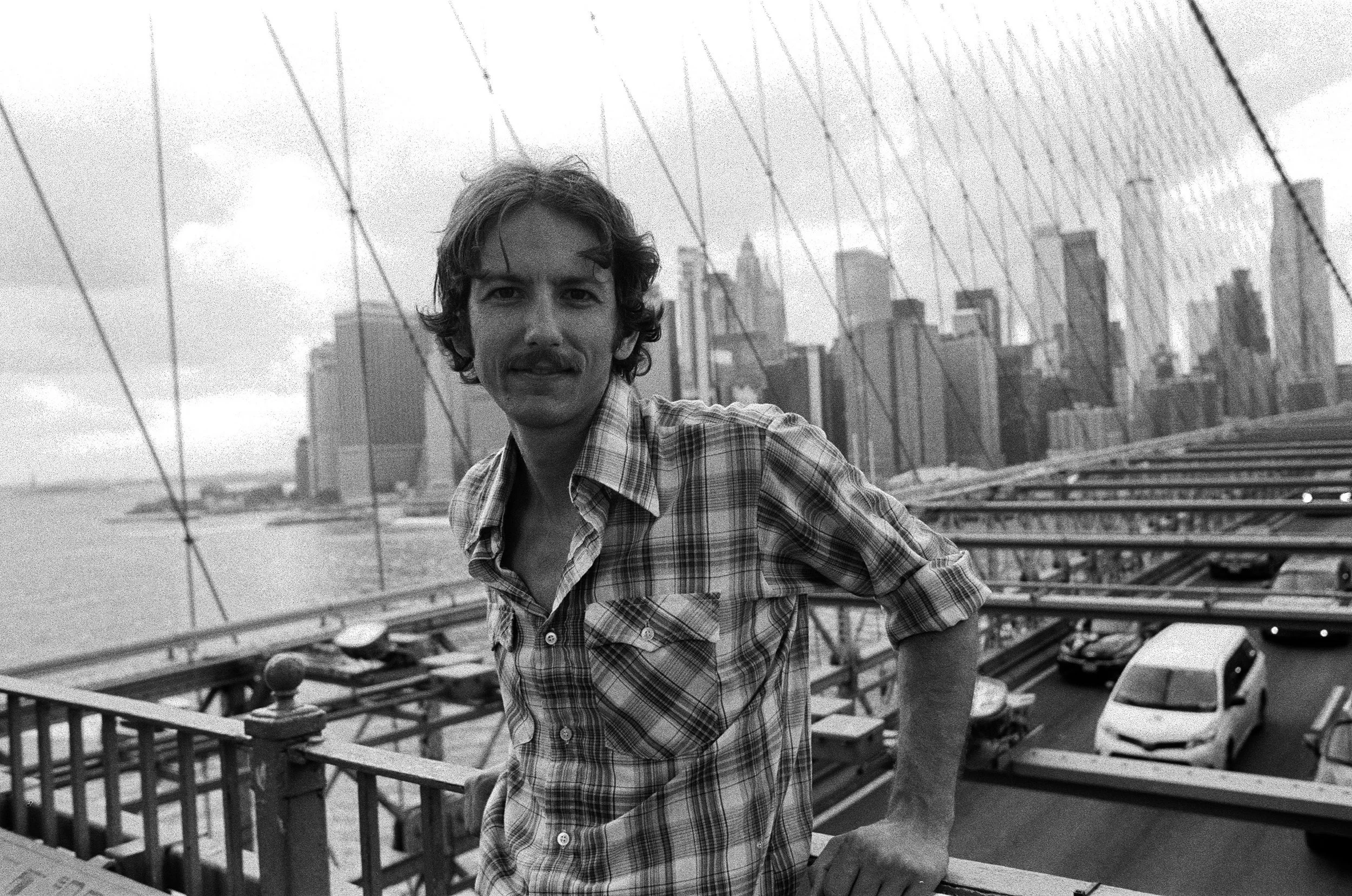
Alex: I was there a lot last year, and I loved it, and there’s all these things that just make sense to be over there.
Luck: You spent a few years in LA before this. What was that time like?
Alex: In December, I was living in my little trailer back up in Altadena, and splitting my time between there and and Studio City, Valley Village area.
Luck: Altadena feels very different than most people’s version of LA.
Alex: It’s rural to a certain extent, you know, it’s like 3000 feet of elevation up there, so you’re up above all of the haze and the noise. It’s a lot quieter. You can see the stars, and there’s a lot of really good hikes and stuff.
One of the big reasons that I wanted to make the move is because I had lived for so long in the middle of nowhere, basically, in Washington, and I was really angsty about it, and I wanted to do something rash and change my whole life. I had a lot of connections in LA, and it made sense musically to be there.
So when I moved in, I remember driving in through the grapevine and almost having a panic attack and like, “What am I doing with my life?” you know, looking at the endless sprawl going from where I was living in Washington, where it’s like the old growth forest on the island. It wasn’t, I think, until we pulled up to the house in Altadena, and I realized how serene and quiet it was there, that I was like, “Oh, I think I can do this”, you know.
Luck: How did Zorthian Ranch come into the picture?
Alex: Well, I mean, Zorthian, this guy, Gerard Zorthian, started it. I think he bought the property back in the 40s, is what I’ve been told.
He’s right. 1946.
And he was Armenian, and that was back when Altadena was mainly still farm and ranch land, and he bought up like, you know, 54 acres or something,
Right again.
and built this house.
And he was an artist. He was a painter, a sculptor, and, I guess he was kind of in that mid-century era where it was psychedelic types, or like weirdo art freaks before acid hit the scene.
And then when you fast forward to 2000, I guess 23 or whenever we showed up, you know, those similar types were there, but it was just with the brand of 2023 on it.
The people up there are super weird in the best way.
Luck: What was your experience actually recording there?
Alex: Well, with recording on the Zorthian tapes, it was about two weeks that we were there, and I was living in that house that we were recording in, and the bedroom that I was in was also our console room. The board was right next to my bed, you know, and so you got out of bed, and then you walk through this little, kind of little slit between the board and the bed, and then the tape machines were in there.
It was pretty communal. We cooked a lot of meals, and a lot of the players lived in LA, so they just drove up to Zorthian every day. But some of them didn’t, so there’s maybe three or four of us who stayed there the whole time.
You just do takes, and then you walk around the property. You go hang out with the goats, and then you go stare at the San Gabriels.
Luck: You spent years in Washington before that. What was that piece of your life like?
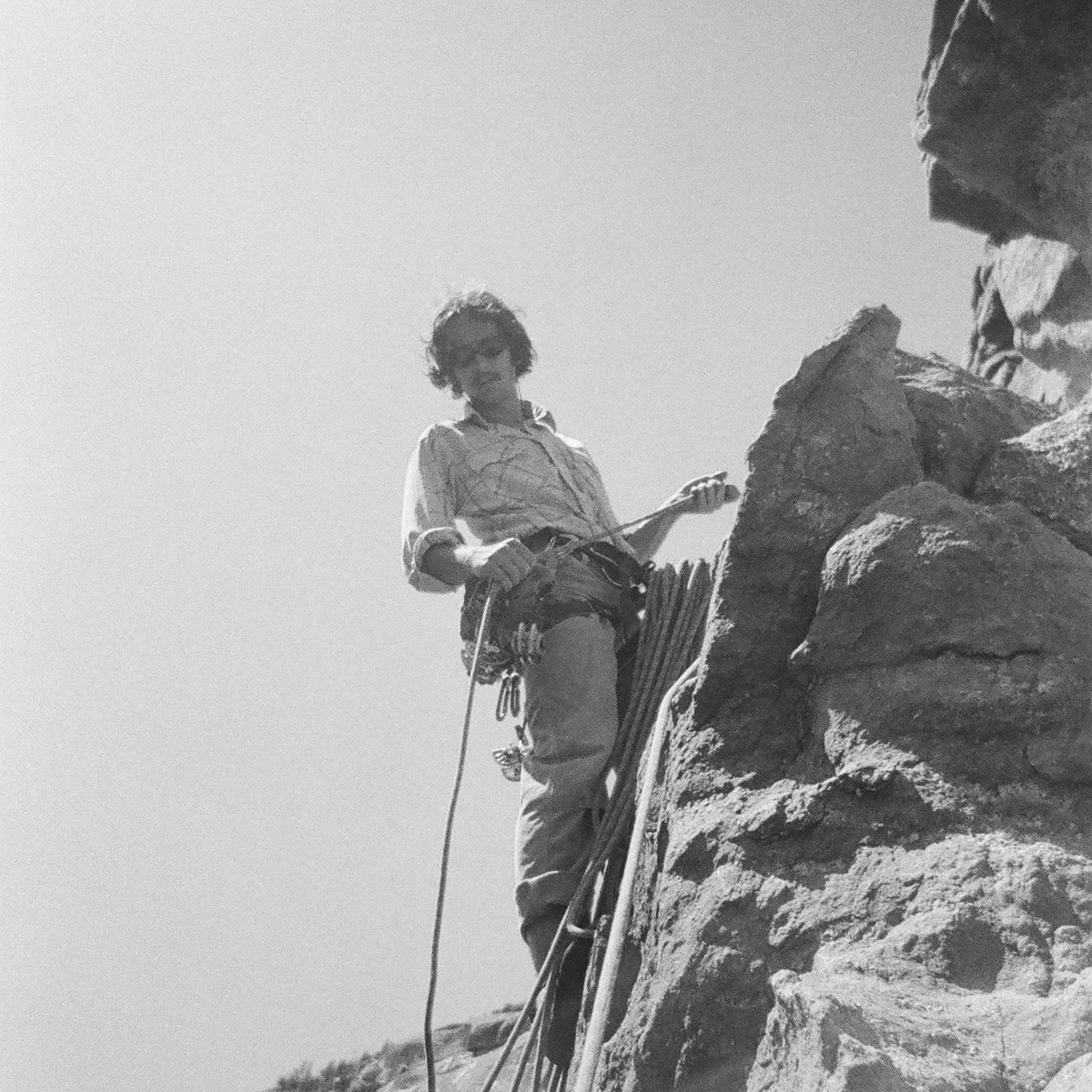
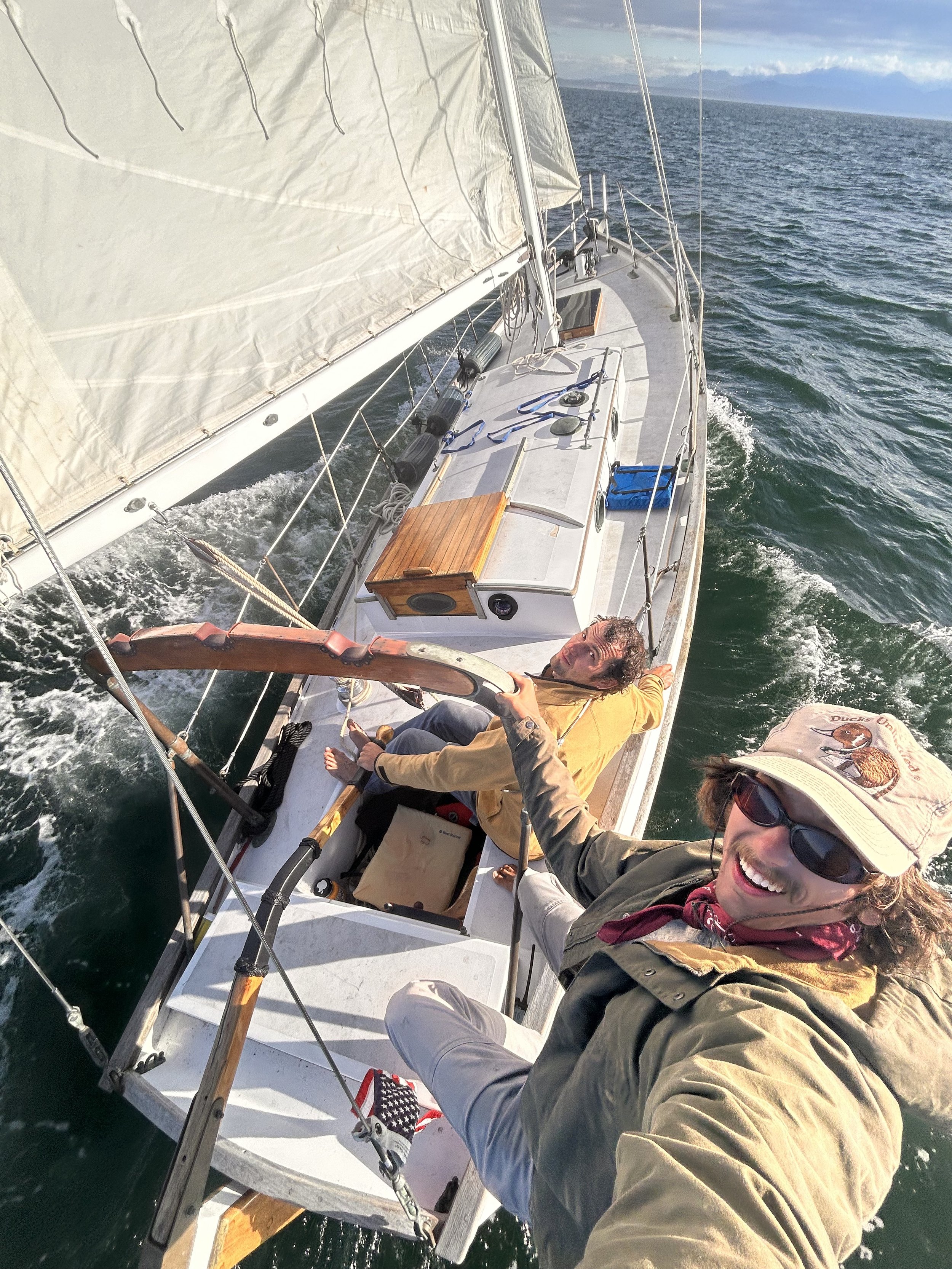
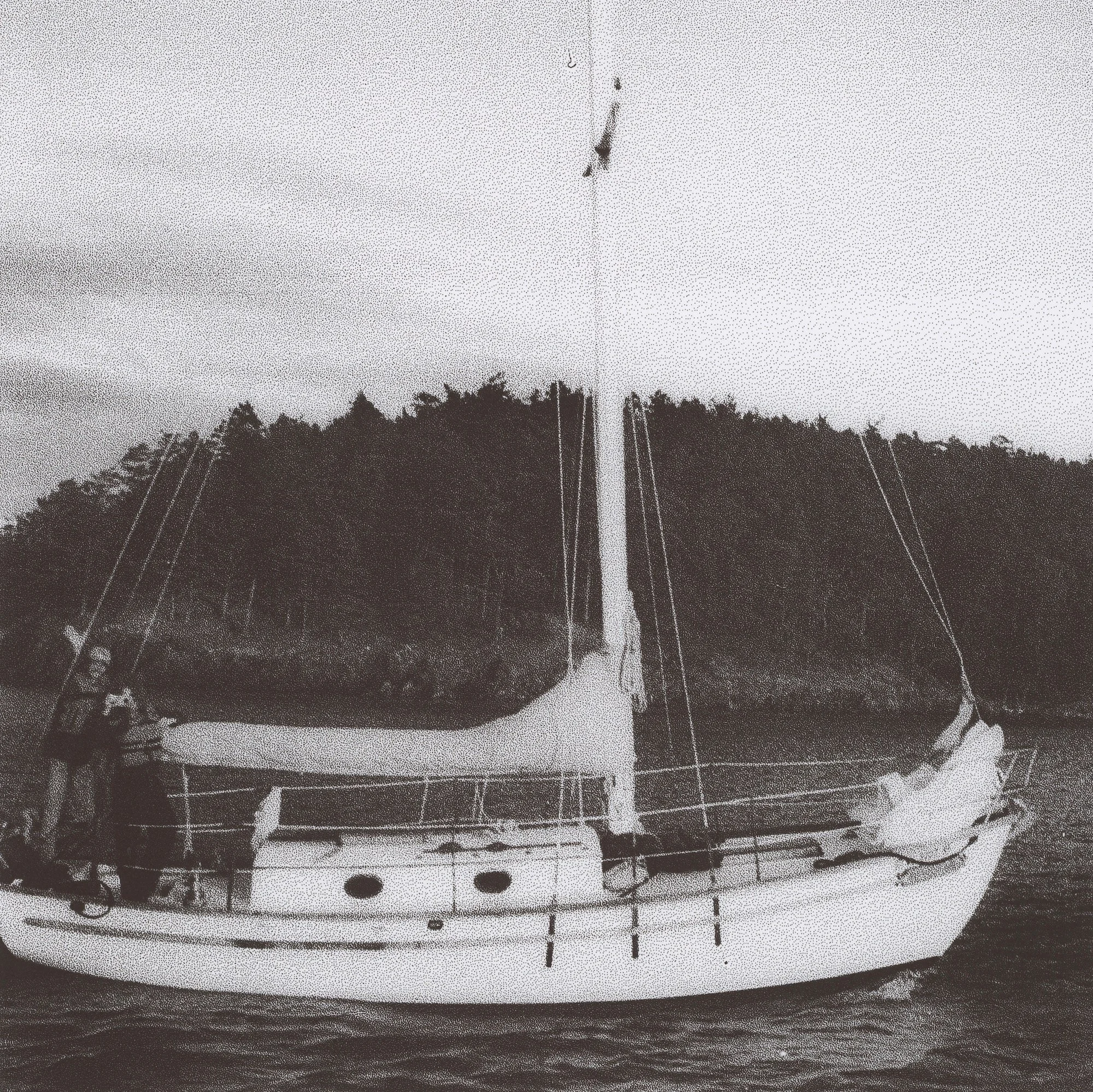
Alex: I got into boats kind of by happenstance. It wasn’t a direct passion of mine. It wasn’t like when I was a kid. I wanted to be like, say, a sailor or something like that. I got into that just because I was in Washington and I had nothing to do.
Well, that’s not true. I was very busy in Washington, but I needed an outlet for being in nature, and I like to have an intense, intentional activity to do in nature.
So, somehow I was gifted a 50-foot wooden, full restoration project. Like it would comfortably sleep eight people. It had a full galley, giant living quarters. And it was built in the 30s.
Luck: Did that world influence your songwriting?
Alex: Yeah, sure. On the Zorthian tape stuff, there’s that song across the water. And there’s a lot of sailing references there, but also… anytime you go to that island, you have to take a boat to get to it.
And then I think what happened was when I moved down to Washington, after doing all this insane stuff with the boat, I got a publishing deal with Rick Rubin.
I’m just getting my head around Rick Rubin when Alex is on to a story about sailing a different, seemingly even bigger boat, up into Canada for a month-long wander.
There was one day I was working, I was painting the boat, and I was like “I should listen to Jimmy Buffett, kind of ironically”.
And so I started at the beginning. And then I got to this album called A-1-A, and it was like, “What the hell is this?”
I scribble a quick note to check out 1970s Jimmy Buffett.
I just got really into Jimmy Buffett's music, which I think, like shot me. Shot me down a creative creativity pathway, or something that that I wasn't expecting.
So getting a boat gets you into Jimmy Buffett, and then you write a song, because you've been listening to Jimmy Buffett every day for like, three months.
Luck: How do you feel about the Zorthian record now?
Alex: The Zorthian stuff, to me, is so old news. And it’s funny to think, like, that’s the new stuff, right? But for me, that’s three and a half four years ago. Since that time, I’ve written three albums' worth of material.
Luck: You just turned in a new album.
Alex: Yeah, that’s my most recent. I’m actually, today, turning in the mixes to the mastering engineer for my first full album. Technically, the Zorthian stuff is an EP, so my first technical album will be out this year.
And that one’s a real professional album. [It] actually had a real budget and was done at real studios, and, you know, took a long time to make.
Luck: And last year was your first time at Luck Reunion.
Alex: It was great. Yeah. We had a great time. The band and I, that was kind of our first break. We were in Austin beforehand, playing the Austin dance bars.
And then we were playing right before Lucinda Williams and after Waxahatchee. And that was when we had gone from basically only playing bars at that point to like, “Oh, here’s like a real gig,” you know.
And it opened a lot of doors, but it’s also Willie Nelson’s ranch. We were just playing Willie Nelson songs in a bar, like, a couple weeks before that, and then, oh, now we’re at his ranch.
One hell of a first break story.
Luck: What makes a good festival?
Alex: Well, I think on the audience side, it’s really great, obviously, when there’s people there. I know that sounds silly, but we played some festivals last year where there was, like, literally nobody there.
And then on stage, if the mix is really good, then you can put on a good show. So if the people are there, the energy is right, and the band can hear itself, that’s what you’re looking for.
Luck: Are you coming back to Luck this year?
Alex: [REDACTED]
Sorry, Luckers.
Luck: What can people expect next?
Alex: I will have a single from the record out in February. So you’ll hear the actual relevant stuff that, in my mind, is the music I’m making.
Luck: It’s gotta be exciting to get to start seeing these new evolutions within your own career.
Alex: It's sick, you know? It's the dream to [be] able to have the budget to make a recording that I had always envisioned to make. That alone is pretty much the mark of my own satisfaction or success. Just being able to do that alone. It's pretty sweet.