Hospitality in Action
How a Relief Effort Became the Texas Hospitality Collective
Like many across Texas, Kaye Askins woke up on the Fourth of July expecting the usual things: a parade, margaritas, hot dogs, fireworks. Then the news started coming in.
“It felt just supremely wrong,” she remembers. “It was just this kind of inexplicable weight on all of us.”
As catastrophic flooding swept through Texas Hill Country, Kaye found herself overwhelmed by the question on so many minds that day: What could she actually do to help?
Within 24 hours, she had an answer.
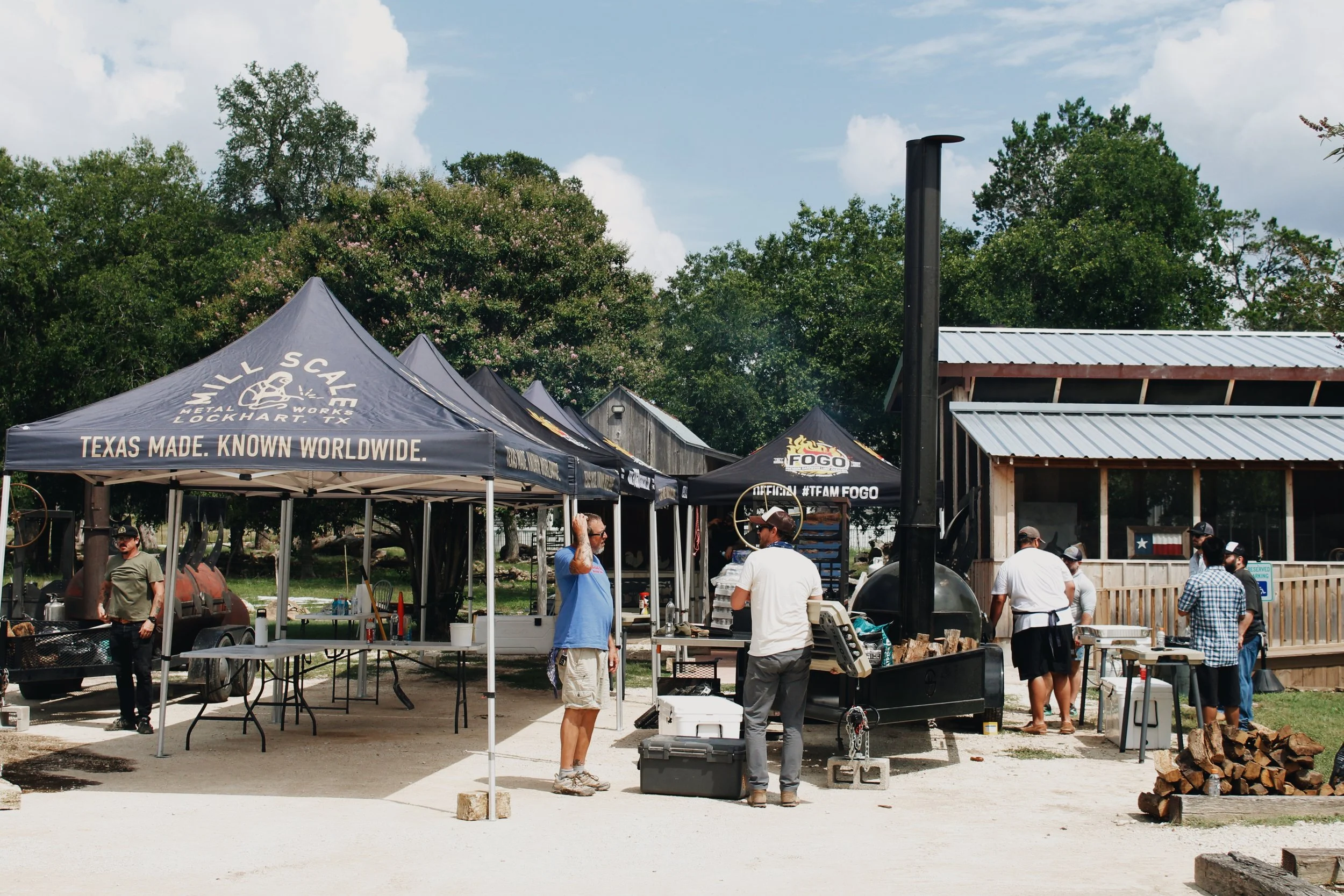
She reached out to Lindsey Pesek of Treaty Oak Distilling, who was already organizing a donation drive and coordinating with local nonprofits to identify the most urgent needs. Askins offered to establish another collection point in Lockhart, and then she called Matt Johnson of Mill Scale Metal Works. The shop had enough room to handle the volume if donations started coming in, and they did. r. Within days, Askins and Johnson were helping rally hospitality workers from around the state to support an expanding relief operation near Kerrville. None of them knew that this work was the beginning of the Texas Hospitality Collective.
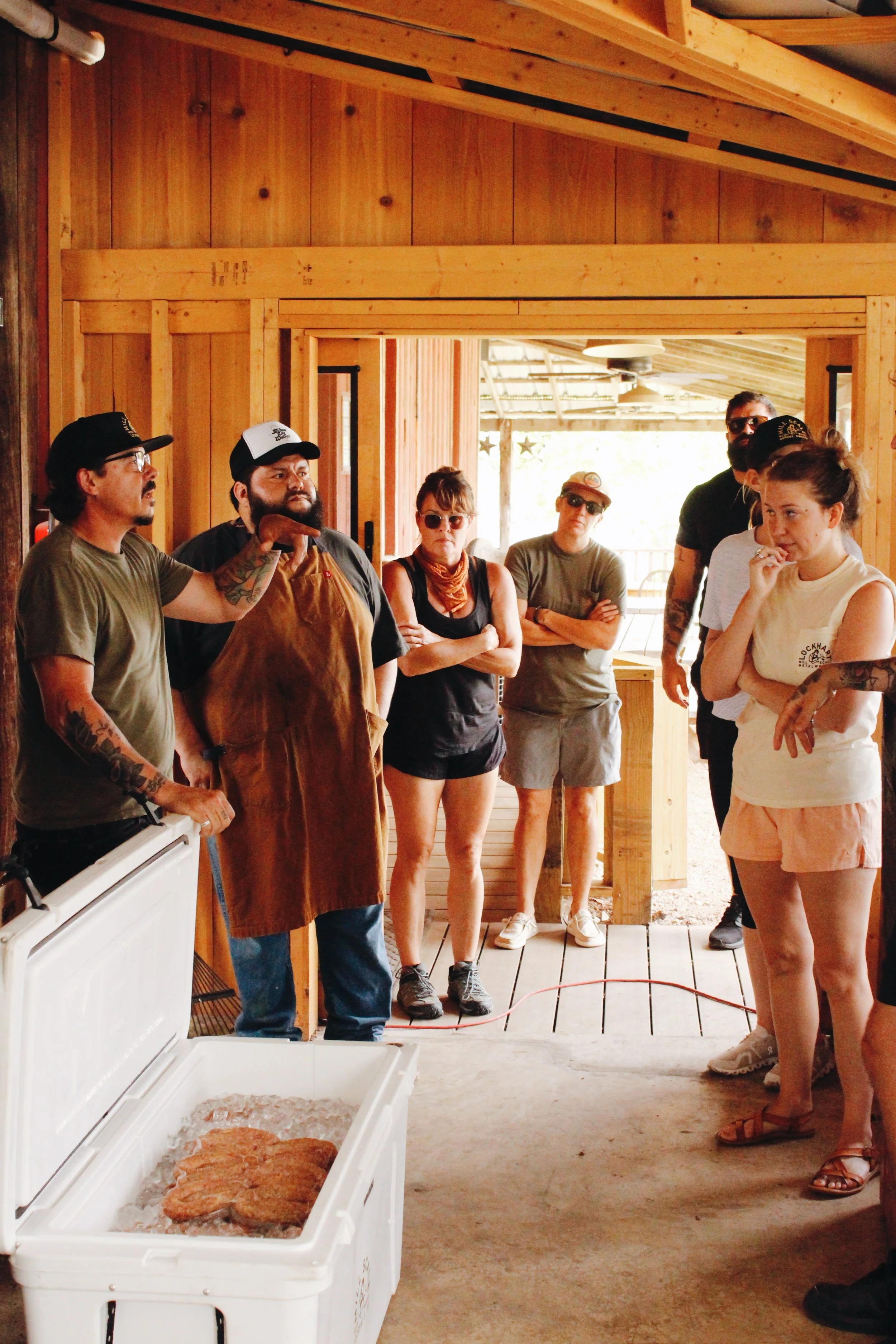
In retrospect, Askins was unusually well suited to the chaos. She had spent most of her adult life in hospitality, although the shape of that work has changed considerably. She started as a hostess while she was in college in North Texas, progressed to fine dining and private clubs, eventually landing at Eataly in Dallas, where she oversaw beverage programs across five restaurants in a 47,000-square-foot space. These days, she works out of a shop in Lockhart that’s closer to 700 square feet.
The smaller scale suits her. At Eataly, Askins was used to moving constantly between restaurants, often fueled by espresso as she went from one pre-shift meeting to the next. She loved the pace and the work behind the scenes, but there wasn’t much room for the part of hospitality she loved most: knowing the people she was serving. In Lockhart, she gets to know her regulars and spends time building those relationships.
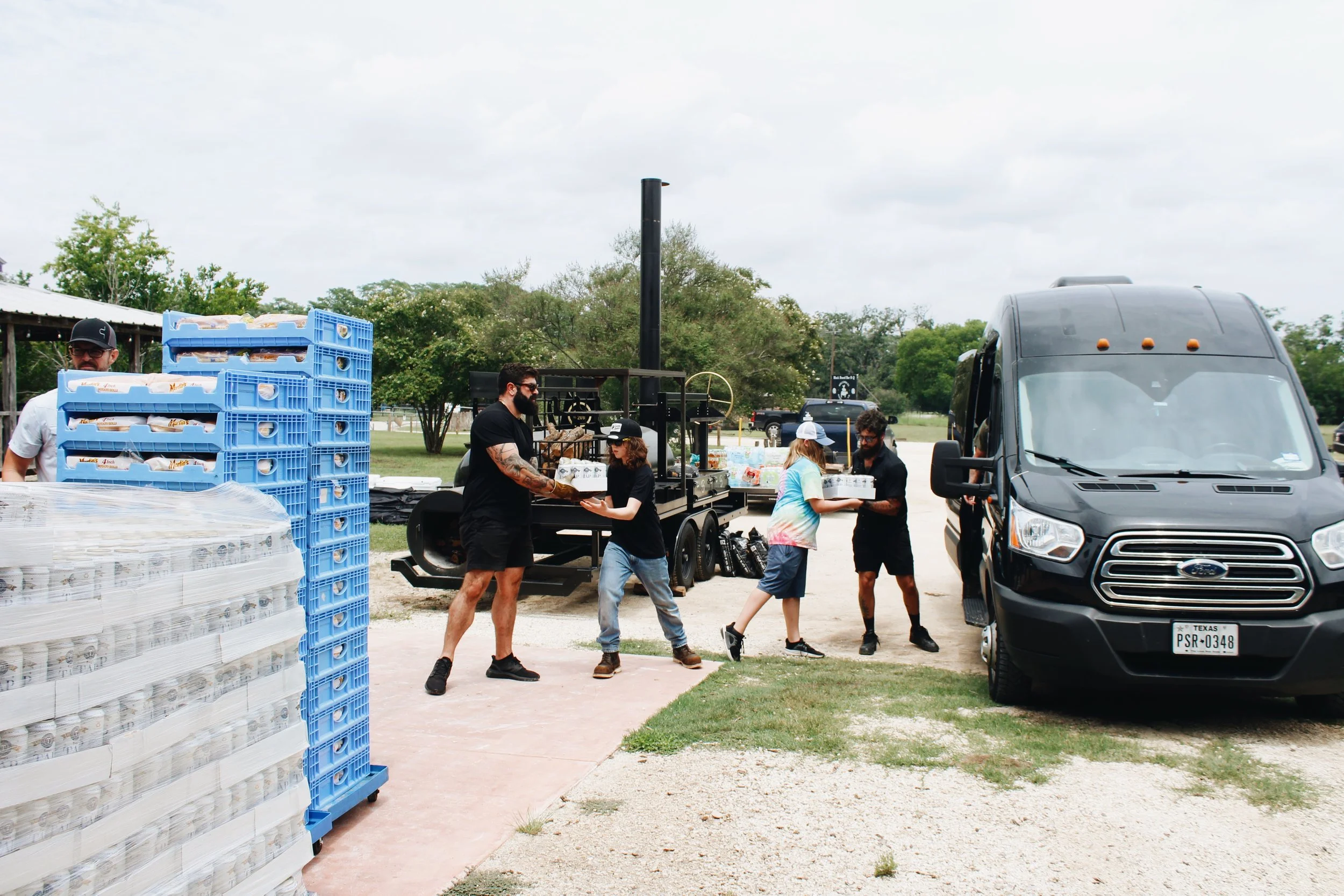
“We had no clue,” Askins says of what would eventually become Texas Hospitality Collective. “We really built the plane while we were flying, and I don’t always recommend doing that, obviously, but sometimes when you’re in crisis, you don’t really have a choice.”
Back in Lockhart, volunteers sorted donations and packed whatever was needed most for the drive to Dripping Springs. Supplies kept coming in, and people continued to ask how they could help.
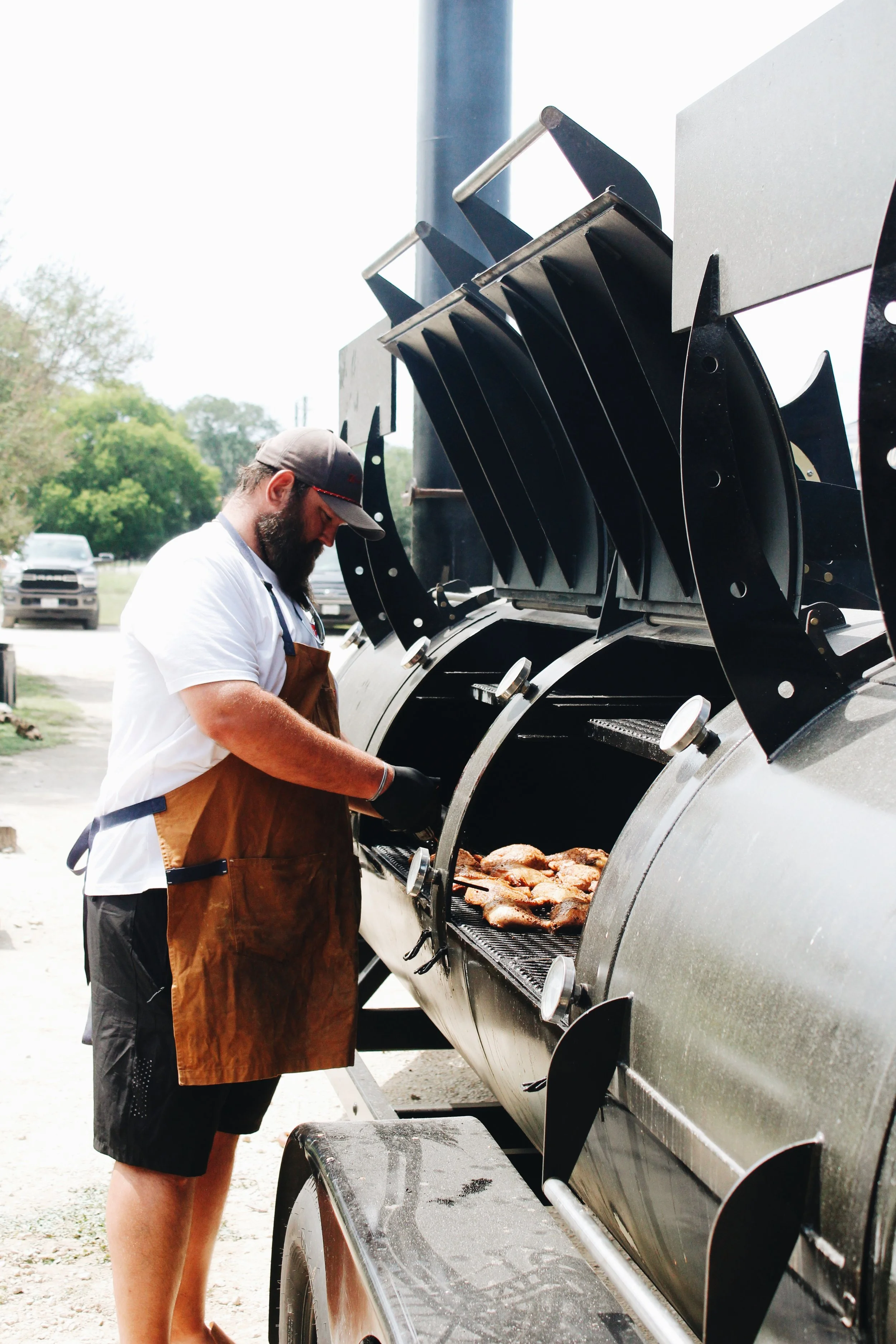
Within a few days, Johnson called Askins again. Black Board Bar-B-Q in Sisterdale had been cooking for first responders, and its small team was now handling an operation far beyond the normal work of running a restaurant. They needed more people.
Askins answered the call.
Johnson reached out to people he knew in the hospitality world, and volunteers came from across the state. Group chats filled with offers to help and names of people who might know how to solve the next problem. Luck helped connect the group with another friend and festival partner, the Kerrville Folk Festival, whose grounds could serve as a more permanent base camp for the growing operation. The site had a commercial kitchen and a nonprofit already rooted in the community, and Askins approached the move much like she would a restaurant opening.
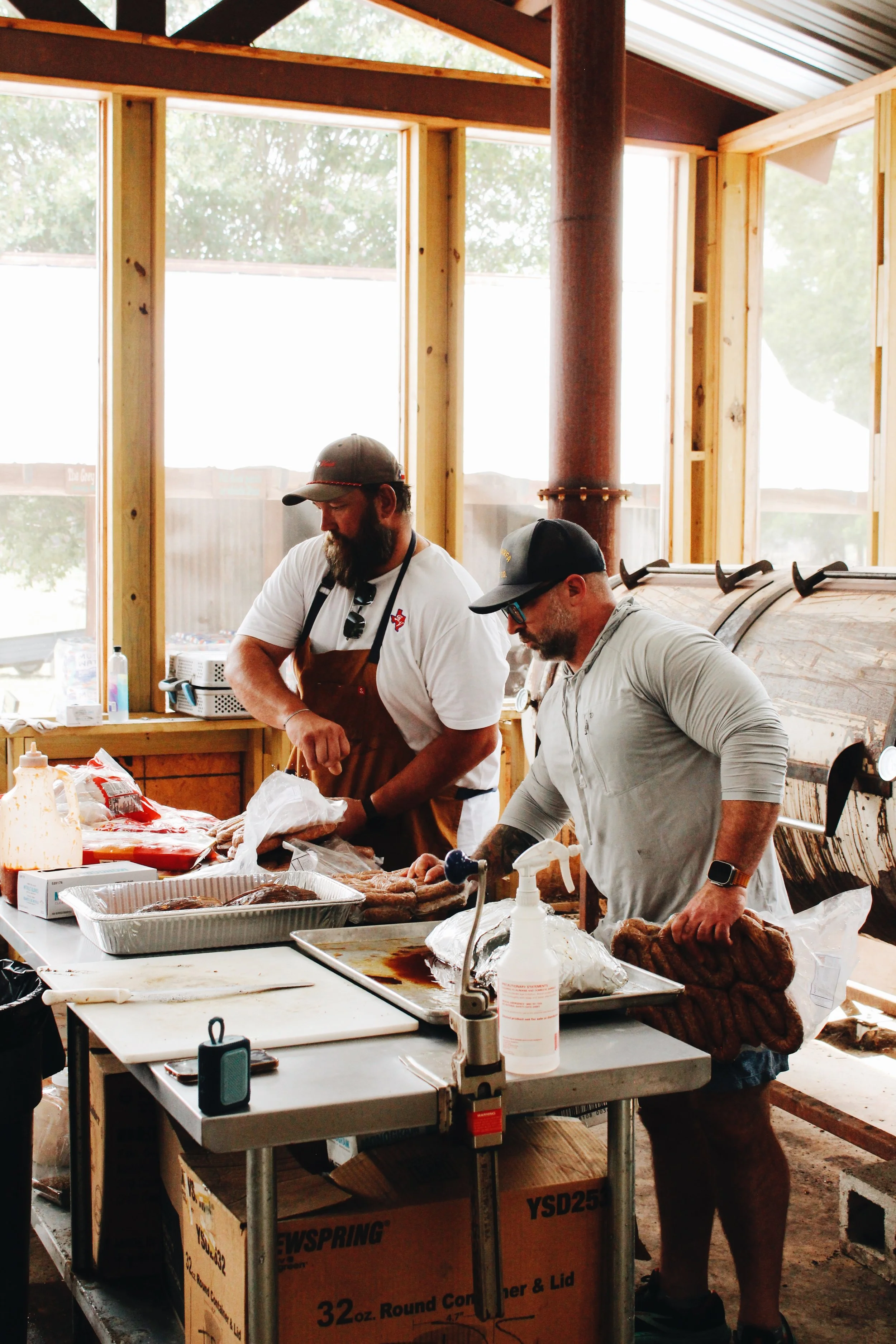
Like a restaurant, there was inventory to track, food safety to consider, and a rotating crew of volunteers to coordinate, but the larger goal was to build something the people in Kerrville could eventually take over themselves. Askins didn’t want to hand over the kitchen and disappear. Instead, the team worked alongside local volunteers until they were ready to run the operation in a way that made sense for their own community.
As the weeks passed, the number of meals coming out of Kerrville began dropping. Askins saw that as good news. The immediate need was easing, and local organizations were increasingly able to care for their neighbors with less outside support.
“We really don’t want to overstep in any way,” Askins says.
That became one of the clearest lessons of the experience: showing up was part of the job, but they also had to know when to step back.
When Askins updated the rest of the group on how things were going in Kerrville, the conversation shifted. They saw how quickly their network could come together under pressure, but they had also seen the limits of making it up as they went. If they were going to do this again, they wanted to be ready.
“We would absolutely do this again,” Askins remembers the group deciding. “Let’s spend some time figuring out what that looks like, so that by the time the next big thing happens, we’ll be organized, we’ll be ready.”
The Texas Hospitality Collective grew out of that conversation.
The group formed a nonprofit soon after, but its first year has been intentionally quiet. Askins and the other founding members didn’t want to emerge from a disaster and immediately put their own name at the center of the work. There were already organizations in the Hill Country doing important work, and the Collective wanted to support them, not compete for attention.
The group has spent the following year building slowly: forming a board, talking with other organizations, dividing responsibilities, and figuring out what they could realistically take on. They are also applying for federal 501(c)(3) status.
For Askins, part of that process has meant accepting that wanting to help doesn’t always mean that you’re the right person to do it.
“There is always someone in need,” she says. “We do have to realistically decide, okay, how do these issues align with our ultimate mission? And if we feel like we’re not the best person to answer whatever the call is put in front of us, then at least, ‘Who can we connect them to that will be able to make a better impact for them?’”
That thinking is shaping what Texas Hospitality Collective looks like beyond disaster relief.
“We’re hospitality professionals,” Askins says. “As hospitality professionals, [we] serve people with care, with dignity, coming together when it really matters.”
The group’s vision is to help build “a Texas where no one faces hardship alone.” Sometimes that means cooking thousands of meals, mobilizing restaurant workers, and hauling smokers across Texas. Other times, it means listening to the people who are already there.
The Collective has begun doing that in West Texas, working with communities around Big Bend. Earlier this year, the Collective hosted a film screening in Lockhart followed by a conversation with people connecting to the region, using the network not to feed people in crisis, but to amplify local voices. More projects are in development as the Collective continues to build relationships across the state and broaden the ways its hospitality network can be useful.
“We’ve been taking the time to really make sure that we’re doing right by the communities that we want to represent, and that we’re filling the right kind of need,” Askins says.
By late Summer, the Kerrville grounds had a rhythm that didn’t need Askins in the room. The volunteers rotating through knew where the inventory sheets lived. The local nonprofit had relationships in town that no outside group could replicate. When Askins drove back to check in, she found people cooking who’d learned the operation from the Texas Hospitality crew and were now running it themselves. They no longer had to build the plane while flying it.
That was the point. Askins didn’t stay to be needed. She stayed long enough not to be.
It’s the same instinct that brought her to Lockhart in the first place, and the one now guiding conversations in West Texas about what Texas Hospitality Collective can look like when there isn’t a flood. Somewhere between the Fourth of July and now, the group figured out that showing up is the easy part. Knowing when to step away may be the harder, more lasting kind of hospitality.