Michael Fojtasek on Southern Food, Biscuits, and Building Community
Just home from a family vacation in Hawaii, we caught up with Austin’s own culinary cowboy, Michael Fojtasek - founder and executive chef of Olamaie. It was the kind of exchange that moved at its own pace as we talked through roots, Southern food, the weight of a Michelin star, and Austin doing what Austin does best: changing.
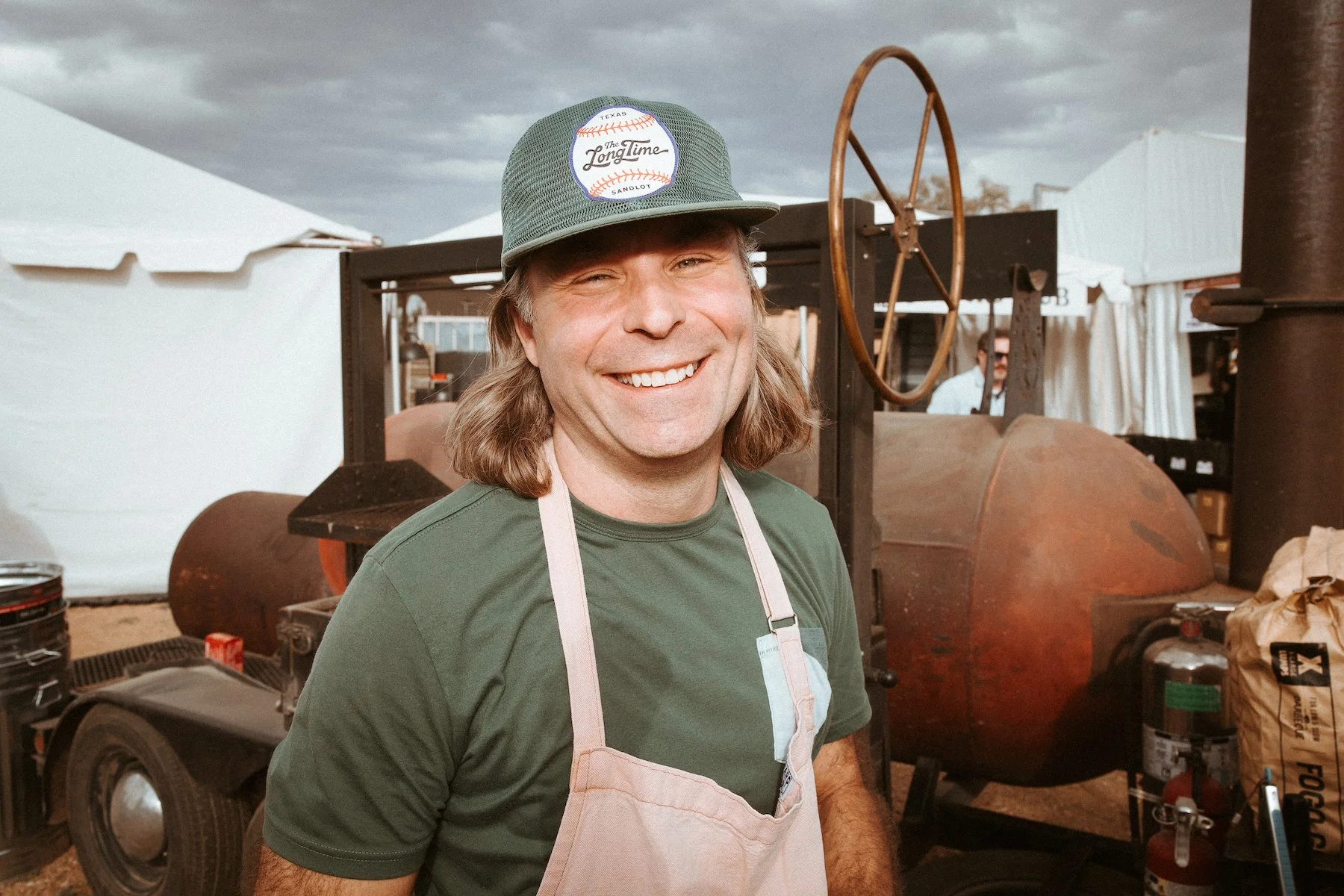
Photo by Brooks Burris
The conversation felt familiar from the start. Thoughtful, unhurried, and grounded, Michael speaks with the ease of someone deeply comfortable in his work and equally aware of the consideration that comes with it.
A lot of that steadiness, he’ll tell you, comes straight from family - especially the women who raised him. Michael lived with his grandmother, Olamaie, until he was nine, and her influence still shows up in how he thinks about hospitality and care. His mother played just as big a role, shaping not only his love of food but how he learned to enjoy it in the first place.
“My mom’s favorite thing has always been food - enjoying it, discovering it, experiencing it,” he told us. “She’s also a little picky, which is funny. But she’s probably the person who defined food for me the most.”
Those early kitchen moments stuck. So did the Barefoot Contessa cookbooks she mailed him while he worked coast to coast, cooking everywhere and learning as he went. Over time, that foundation grew into something deeper - a view of Southern food not as a fixed rulebook, but as a shared table shaped by many hands and a long, complicated history.
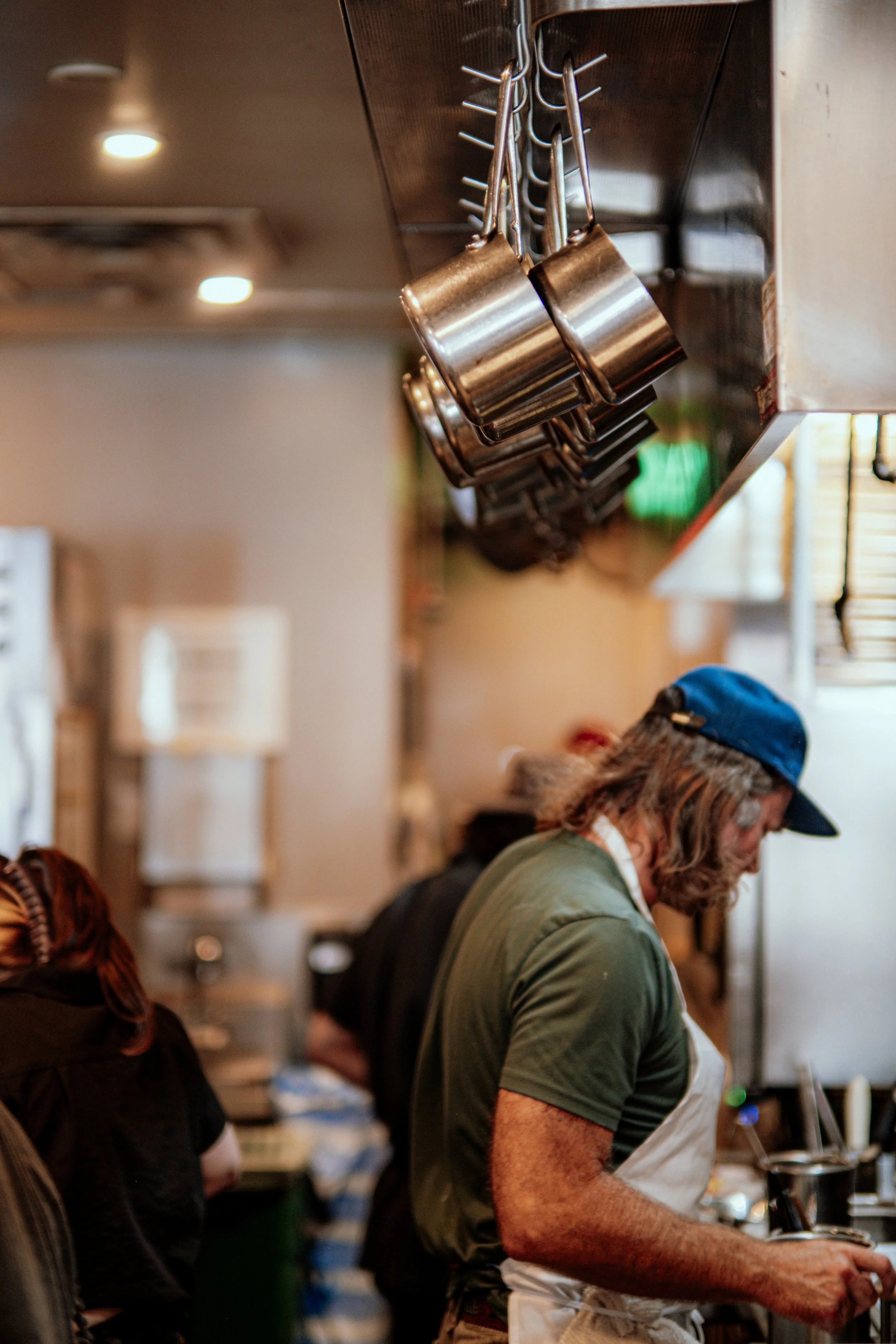
That outlook guides how Michael leads today. He talks openly about being intentional in the Southern culinary space, especially when it comes to honoring voices and traditions beyond his own and giving credit where it’s due. With a quickness, he credits Olamaie’s head chef, Amanda Turner, for bringing perspectives that push the work forward in honest ways.
“She has access to cultures and ideas that are authentic to her - things I didn’t feel comfortable putting out there myself,” he said.
That same care lit the match that first drew Michael to Luck’s Heritage Fire event, where he’s been part of the fold since 2017. To him, it feels like a gathering rooted in mutual respect, one that shines a light on immigrant cuisines and the cultures that make up America’s food story.
He spoke thoughtfully about how Black and Mexican culinary traditions have shaped Southern cooking, often without proper credit, and why it matters to present that history with intention.
“I wanted to be sure I talked about Edna Lewis and other cooks who weren’t celebrated nationally the way they should’ve been,” he said. “I was focused on being a conduit - cooking good food, sure, but also being thoughtful about how it’s shared.”
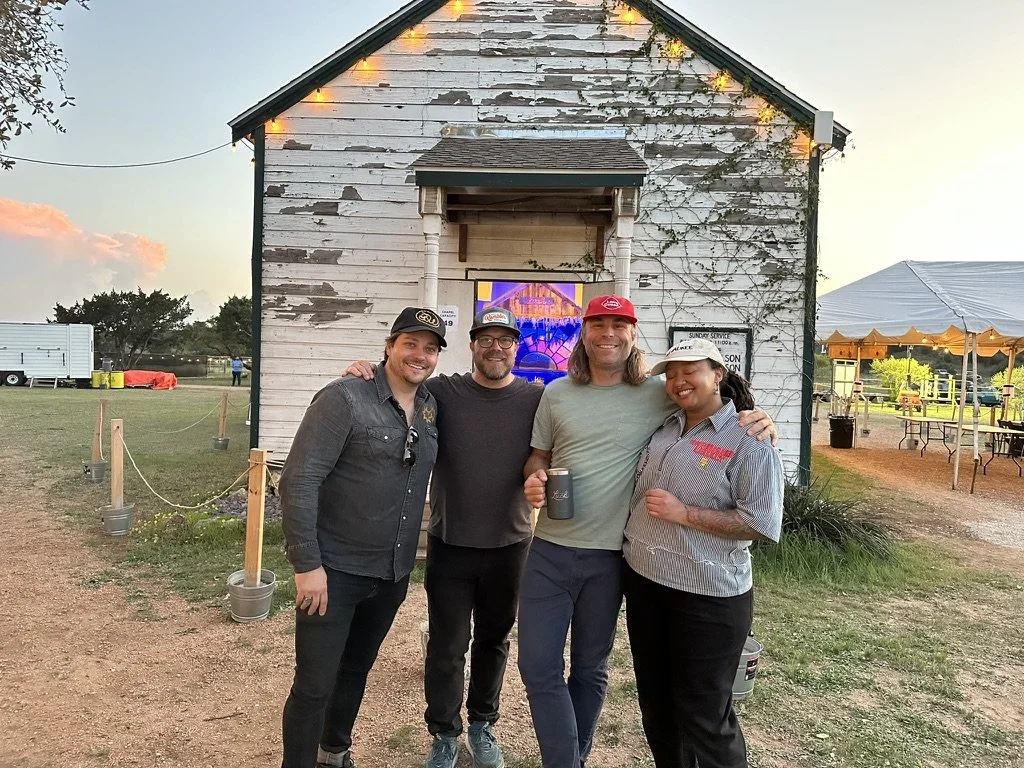
That mindset lines up naturally with the way Luck shows up. “Luck has done an incredible job of giving people a voice,” Michael said. “You’ve got to be authentic, be who you are. When that gets celebrated, that’s a win for everybody.”
Olamaie’s doors swung open in August of 2014 with a strong sense of place and purpose. Since then, Michael’s world has expanded through projects like Gimme Burger and MaieDay, but the heartbeat stays the same: food as a connector. When Olamaie earned a Michelin star, the recognition landed deep - but it didn’t change the way the place operates.
“It represents a decade of hard work,” he said. “To have my mom’s name and now my daughter’s name attached to it, that’s really special.”
Even with the spotlight, the approach never shifted. Every guest got the same care, same attention, same seat at the table. “We just wanted people to have the best experience we could give them,” he said. “That’s always been the goal.”
For our fellow Lucker, Southern food has an unwavering message, it's about how it makes people feel.
“It’s not about guidelines,” he knowingly explained. “It’s about being part of a community and a belief system around food. Southern food feels like warmth in your home. That’s the heart of it.”
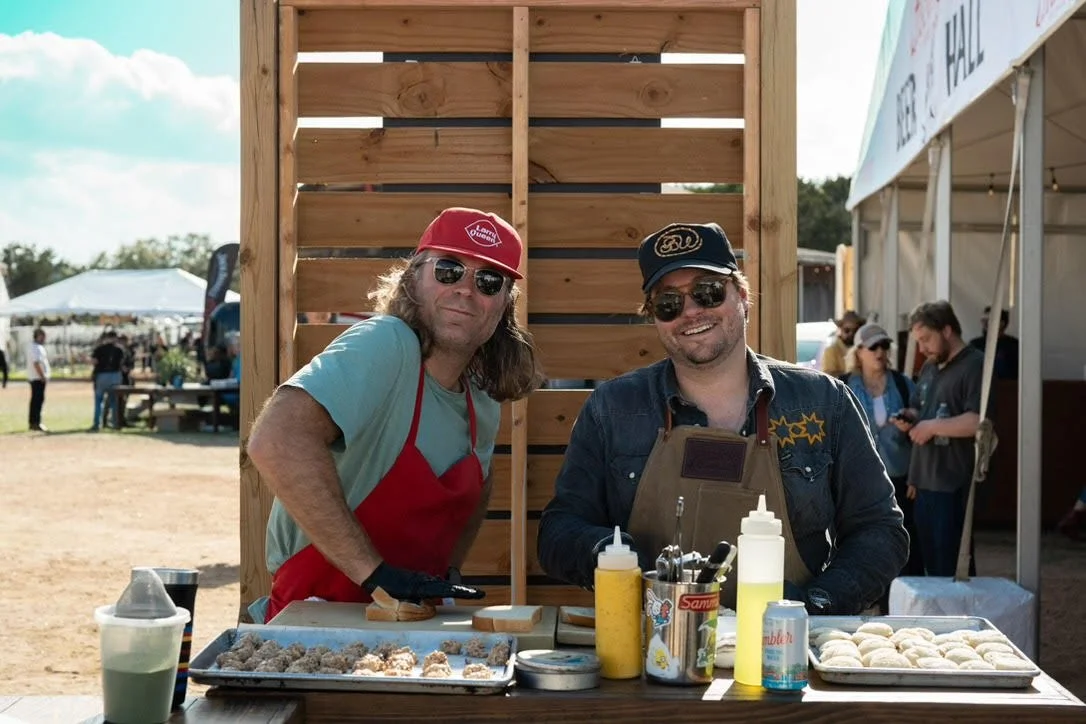
As Austin keeps shiftin’ and movin’, Michael watches it all with a steady optimism. The city has grown rapidly, bringing more perspectives - more folks pulling up chairs. He doesn’t see competition, he sees opportunity.
“All tides lift all boats,” he said with a grin. “I’m proud to still be here, and I’m excited to see what other people are building.”
One steady thread in Michael’s career, quietly legendary at this point - is biscuits. He started baking them seriously back in 2008, tinkering endlessly with flour, fat, and technique. Over time, they became inseparable from Olamaie. When they disappeared from the menu for a stretch, people made it clear that wasn’t going to fly.
During the pandemic, those biscuits took on new life. Michael turned them into sandwiches for curbside pickup, helping keep the lights on and allowing him to continue providing health insurance for his staff.
When we asked about his approach, he didn’t gatekeep. “It’s fat and cold,” he said. “Everything needs to be cold. Freeze the butter. Chill the buttermilk. Technique is what makes the difference.”
Out under the Texas stars, Michael sees his work plainly - open the door, make room, take care of people, and let good ideas breathe. Food, politics, community all ties back to togetherness.
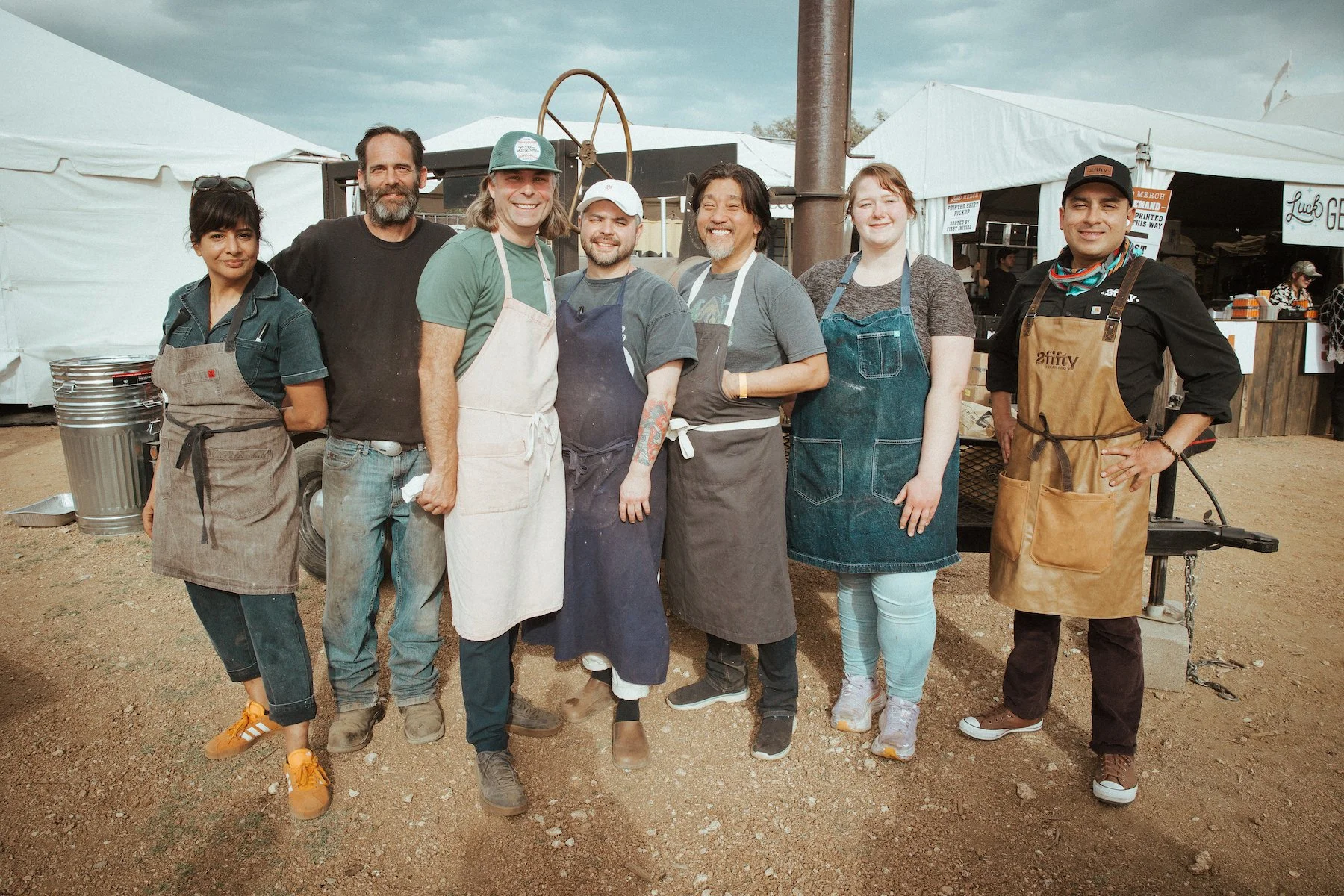
Photo by Brooks Burris
“I’m a team person,” he said. “I want people to find joy in what they’re doing and feel like they’re part of something.”
Michael Fojtasek’s work comes down to tenderness for humans. His care for history, and for the spaces where food brings folks together. It’s steady, generous, and deeply human. The kind of thing you don’t have to howl about. The real ones can feel it.