Quantum Corral: Where Science Met Luck
This year, something unique showed up at Luck.
Tucked into the ranch was the Quantum Corral, a space where science joined the lineup alongside music, food, and conversation. It marked the first year of a partnership with the CERN Festival Programme, brought to life in collaboration with The Big Bang Collective and the University of Texas Physics Department.
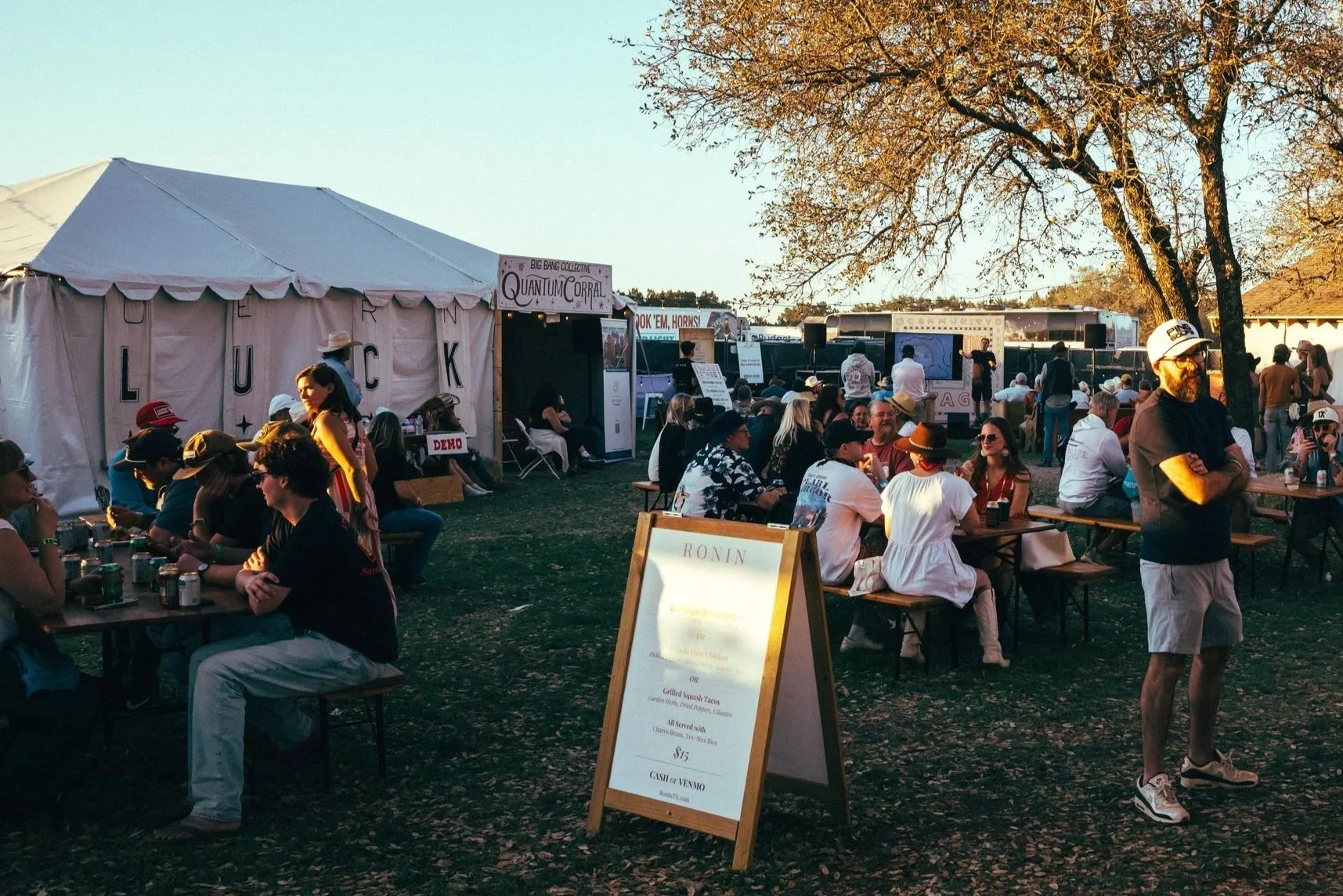
Photo by Justin Cook
The idea came together organically.
“It actually started through Micah,” says Matt Bizer. “He met members of the CERN team while he was on tour, and once we were introduced, we started talking about what it could look like. It just kind of took off from there.”
For Luck, it became a natural extension.
“We’ve been building out the conversation stage over the last few years,” Bizer explains. “Talking about farming, climate change, things that affect artists. Bringing in scientists felt like the next step. It opens people up to a different way of thinking.”
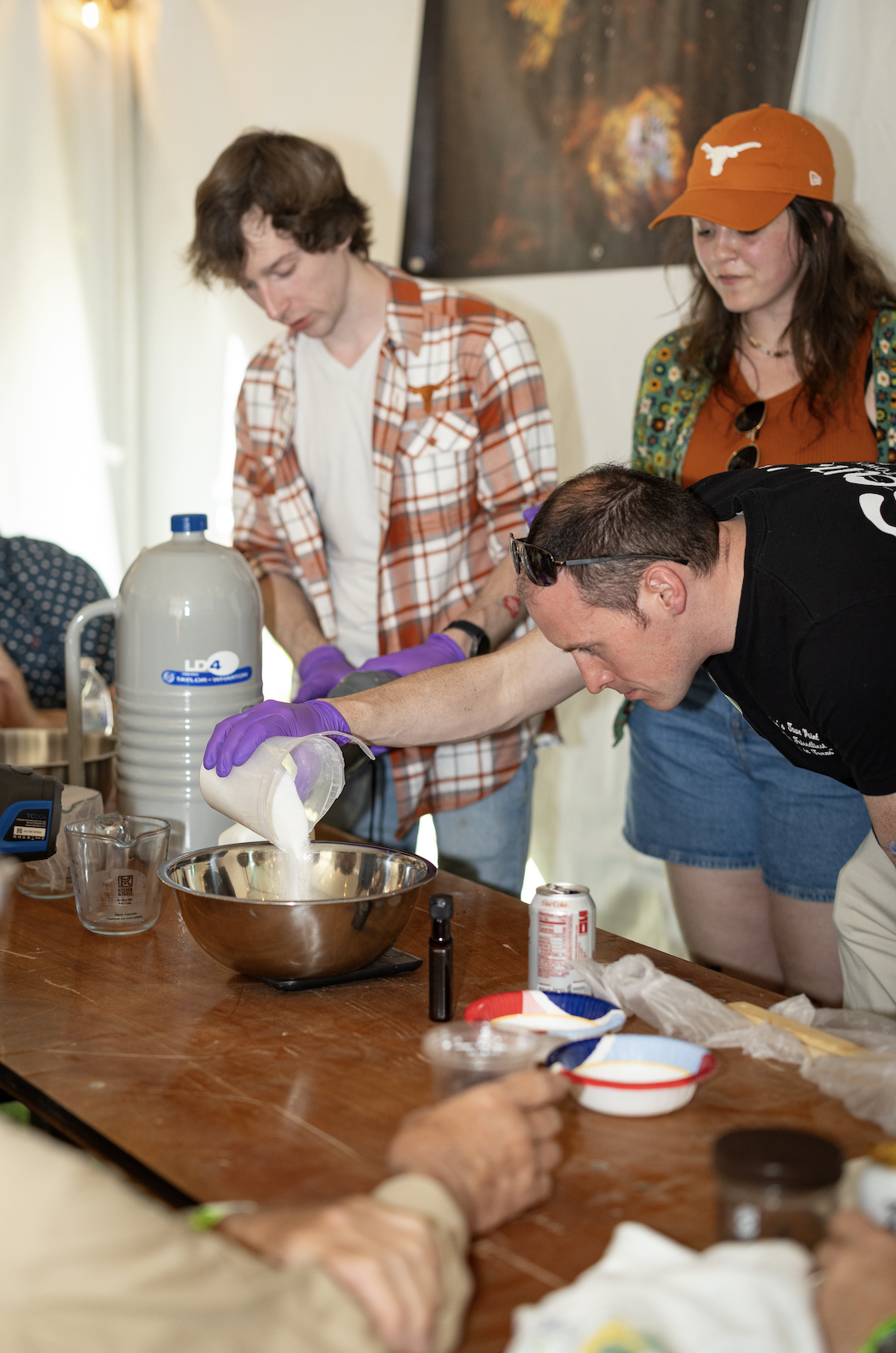
Photo by Taylor Hannan
Out at the Corral, the approach was hands-on.
Guests moved through a series of activations that made complex ideas feel approachable. Liquid nitrogen ice cream drew a steady line, part experiment, part reward. In the “Higgs in Your Hands” workshop, participants handled real electronics used in the ATLAS experiment, getting a tangible sense of how discoveries like the Higgs boson come to life. Elsewhere, conversations around climate data, modeling, and the role of artificial intelligence in music creation unfolded in real time.
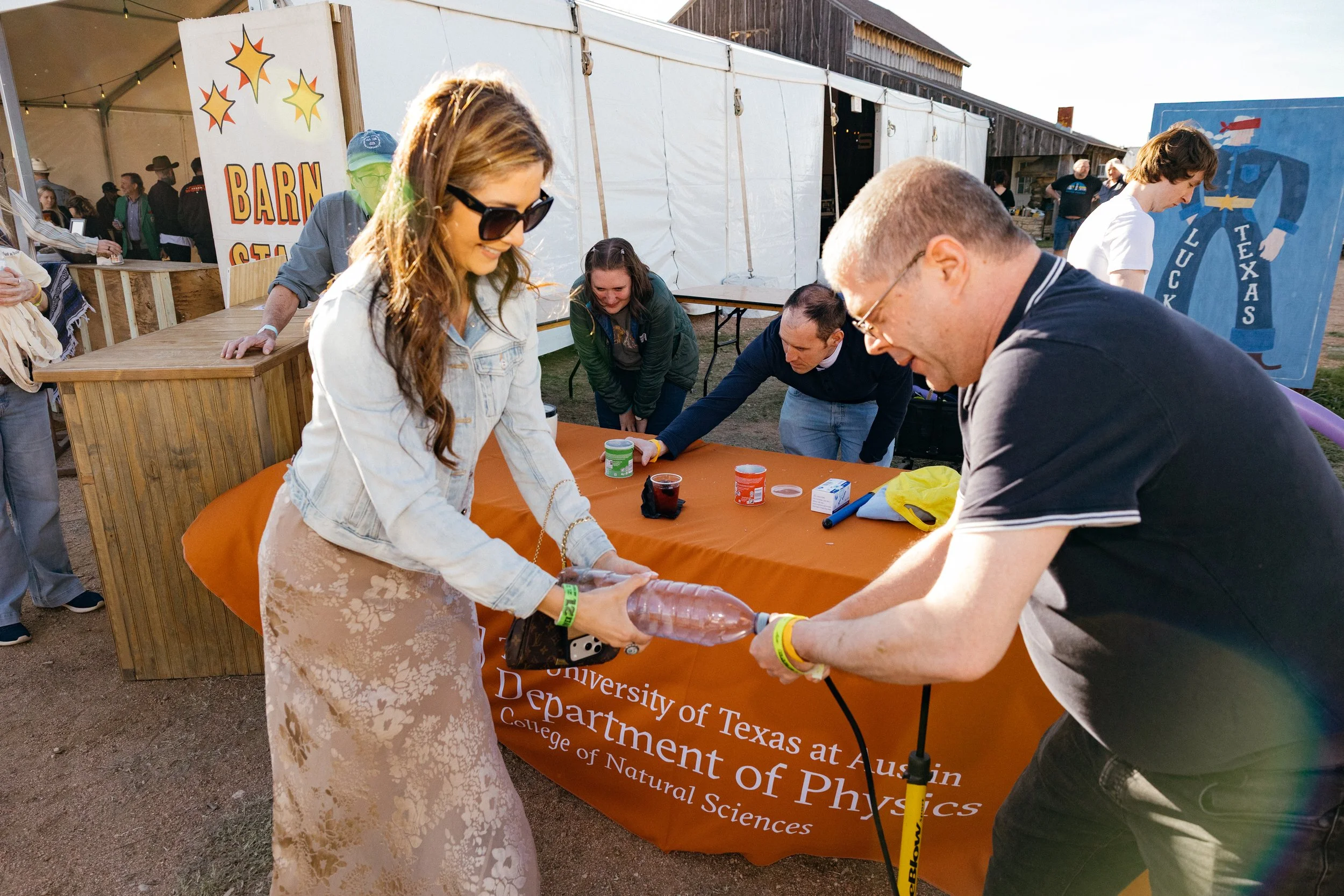
Image by Brooks Burris
There was a clear effort to meet people where they were.
These were genuine exchanges and an invitation to engage. For many, it was the first time connecting the work of CERN to everyday life, understanding how research filters down into the tools and systems people rely on.
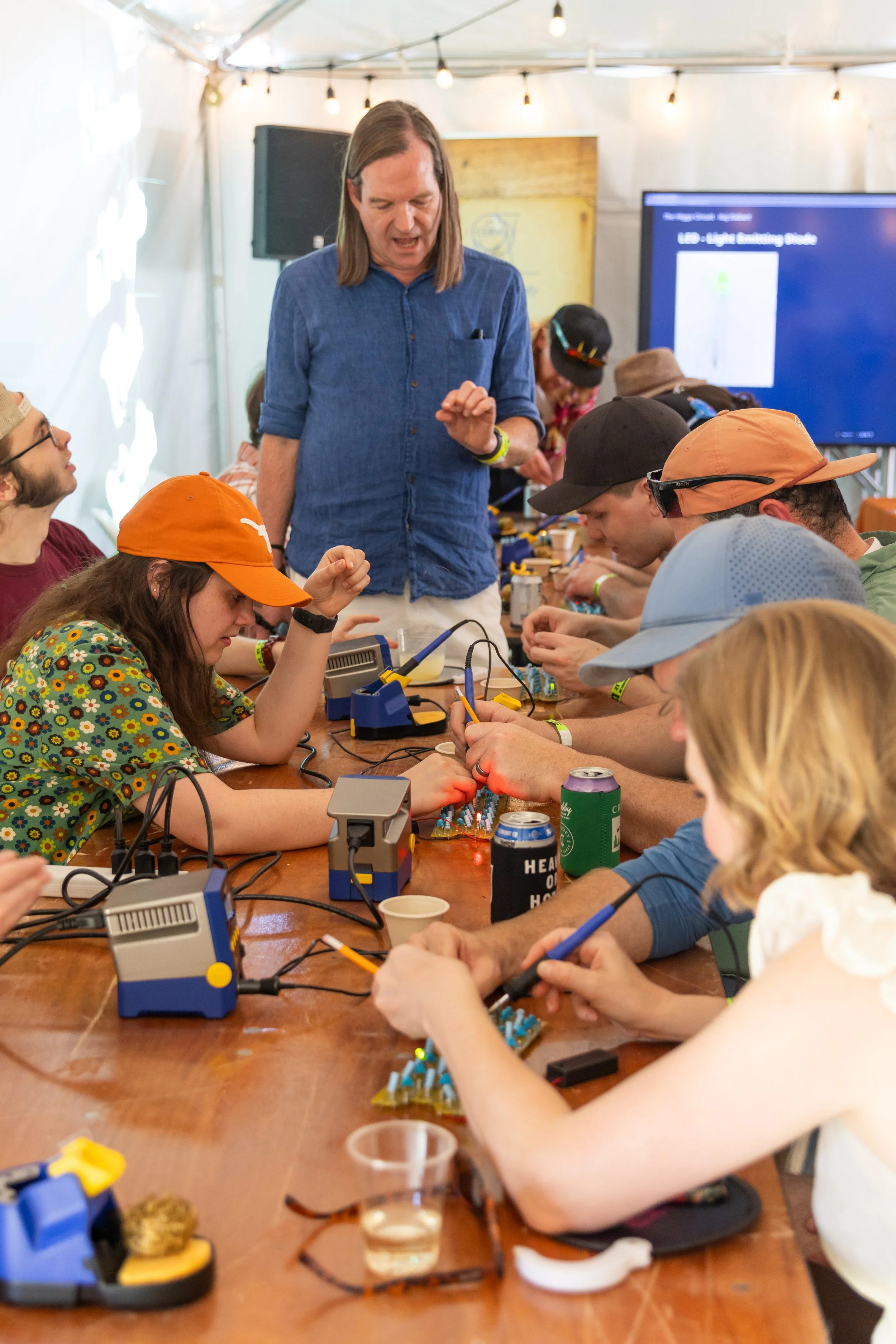
Photo by Baylie Beebe
The response was immediate.
“People really took to it,” says Bizer. “We had lines at all the demos. Folks were asking questions, sticking around longer than they expected.”
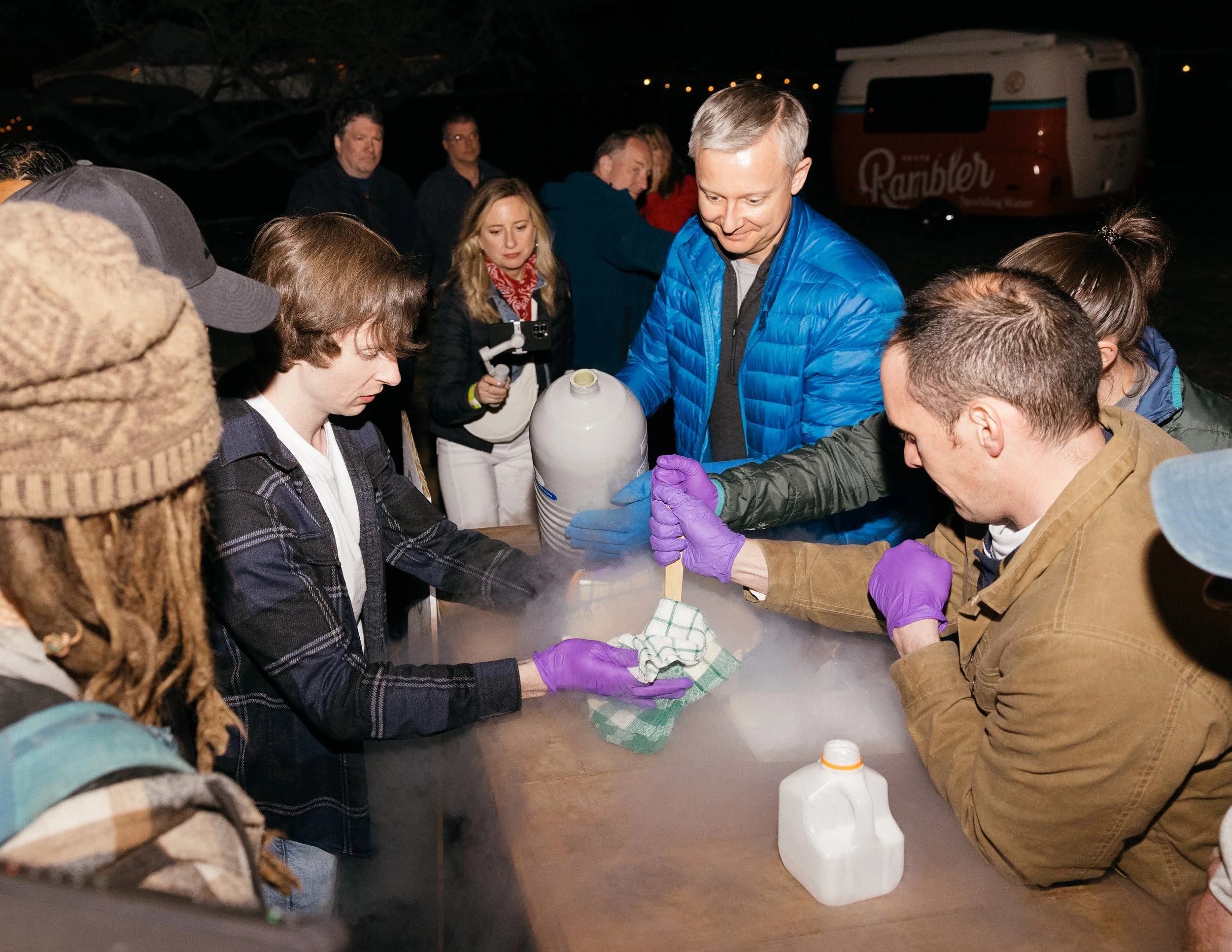
Photo by Brooks Burris
Music still had its place in the mix.
A set from Micah Nelson, joined by physicist Dr. Larry Lee of the CMS experiment, blurred the line between performance and experiment. And a theremin demonstration led by Dorit Chrysler offered something few had seen up close, an instrument played without touch, where sound is shaped through movement in the air.
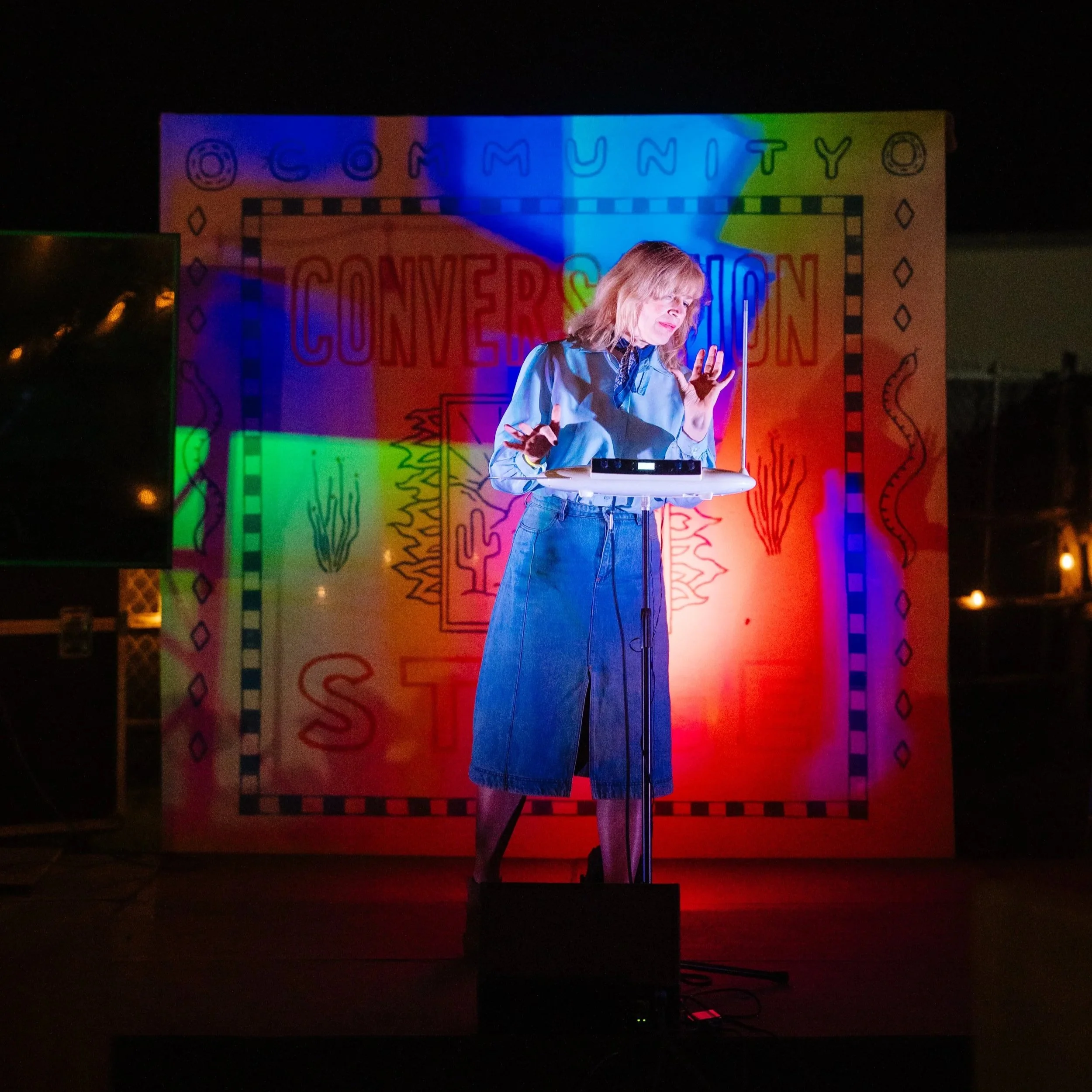
Photo by Roger Ho
It worked because it was well integrated.
Science wasn’t positioned as separate from the rest of the festival. It sat alongside it. Another way of understanding the world.
For Luck, it opened the door to something new.
And based on the response, it’s likely not the last time.