The Stage That Shaped a City: ACL

Photo by Brooks Burris
Long before the initials ACL became shorthand for wristbands and October traffic, they belonged to a television stage where something fluid, and more meaningful was building the version of Austin people still talk about. The original Austin City Limits TV broadcast began in 1974 with Willie Nelson and the Family Band. That first episode was a climb inside of a new world. It was Austin recognizing itself on screen. Willie, already becoming a symbol of outlaw country's beautifully stubborn independence, helped secure the funding that launched the program. In many ways, he helped launch a lasting version of Austin itself.
Back then, Austin was still wrapped in the mythology of the cosmic cowboy era - a place where longhairs and late-night regulars could stand shoulder to shoulder, where Texas songwriters shared oxygen with Nashville talent, and where hippies and cowboys realized that they were cut from similar cloth. Austin City Limits captured that energy early and preserved it before anyone knew it would need preserving.
What made ACL a staple was only partly the musicians who stepped onto its stage. The other part was what the show suggested music culture could be - porous, democratic, and curious. Community mattered more than genre, leaving room for country, rock, hip hop, and everything in between to collide.

Photo by Brooks Burris
That philosophy would ripple outward through the 90s and early 2000s, when Austin’s reputation as a live music capital hardened into concrete. As the city expanded, ACL became both witness and gatekeeper, documenting icons while also signaling who was next. It gave national shine to artists already building momentum and introduced wider audiences to names that would soon become household ones. To play the ACL stage meant you had entered a tradition.
There was a time when access in Austin felt easier, less exclusive, more organic and spontaneous. Taping passes were free. You could be part of the experience without needing a strategy. Stories still circulate of older eras when the process felt charmingly simple - show up, grab a ticket, maybe a free beer, walk inside. The city’s cultural treasures felt closer to street level then.
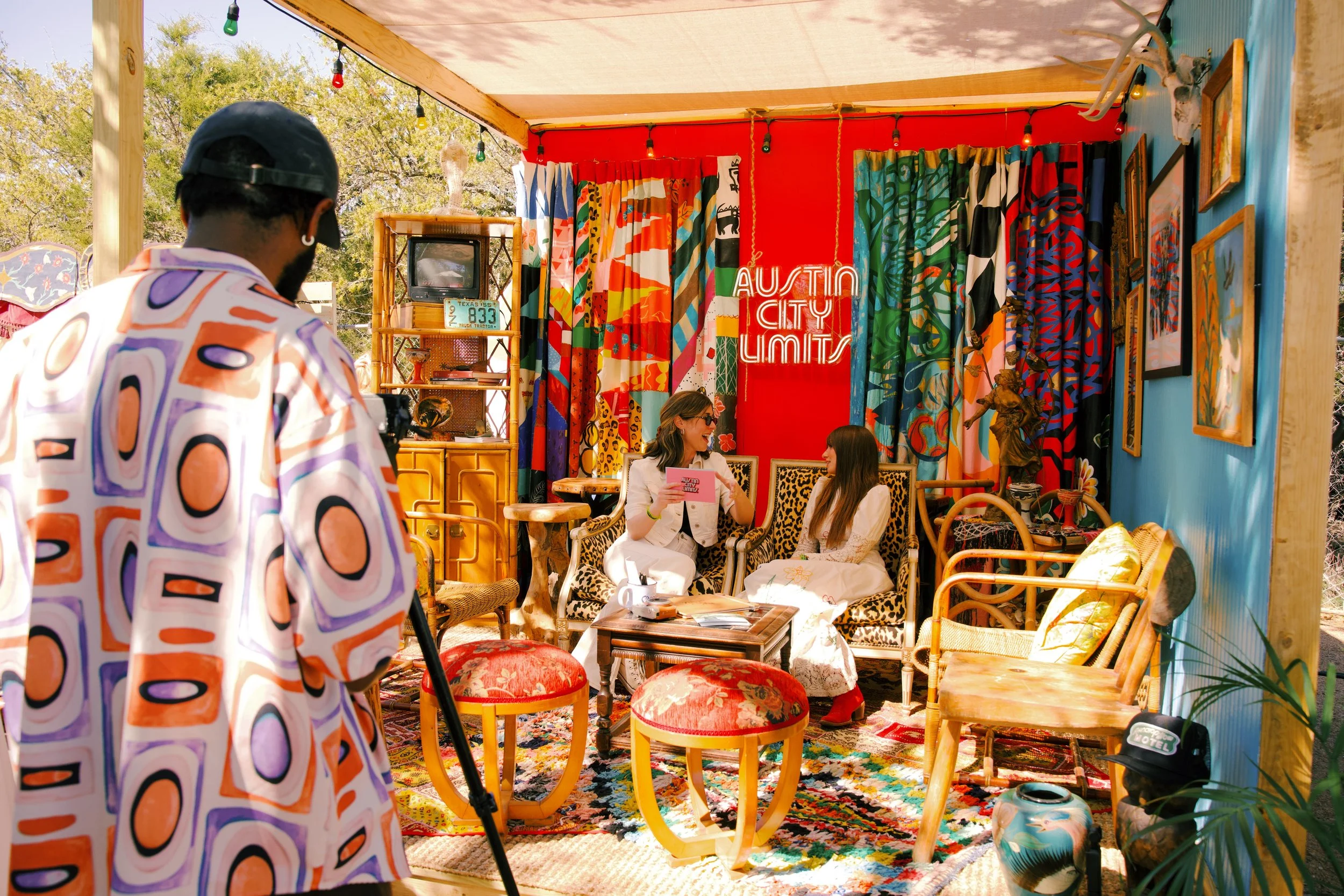
Photo by Izzy Rademachir
Ask almost anyone who has lived in Austin across multiple decades and they will tell you there was a turning point. Some point to the closing of Armadillo World Headquarters, the legendary venue that helped define the city’s musical personality. Others point to the tech boom, rising costs, changing neighborhoods, or the slow replacement of scrappy local texture with something sleeker and more expensive. Usually, they mean all of it at once.
And yet, Austin hasn’t lost its flavor. Cheap cover charges still exist. Free live music can still be found most nights if you know where to look. Places like Antone's Nightclub continue to ground the scene. Waterloo Records has evolved. The city changes, then changes again. Austin City Limits has faced that same demand for evolution. The modern audience does not wait for appointment television. They stream, clip, scroll, share, binge and revisit. So the show has moved forward through livestreams, YouTube archives, social media, and digital access points designed to meet younger listeners where they already are.
A show once known for freezing great performances in time now also embraces immediacy - the unscripted crowd moment, the artist stepping off stage. The archive remains sacred, but the present is shared in real time. The balance between memory and motion may be ACL’s greatest legacy. It honors a version of Austin many people miss, while still trying to speak to the version being built now. It remembers childhood PBS glow from kitchen televisions in the 80s and 90s, while understanding discovery now often happens through a phone screen.

Photo by Izzy Rademachir
That is where Luck enters the picture so naturally. The crossover between Luck Reunion and Austin City Limits feels inevitable. As someone put it, the two are “too close to not hang out together.” Both understand that heritage is only useful when it remains alive. Both know nostalgia alone is never enough. Both are driven by the charge created when old myths intersect with new music.
Austin has changed and will keep changing. But the foundation laid by the greats and a lasting commitment to the music lovers means some things outlast the cycles.