The Dual Frequency of Cheetie Kumar - On Rhythm, Recipes, and Staying Curious
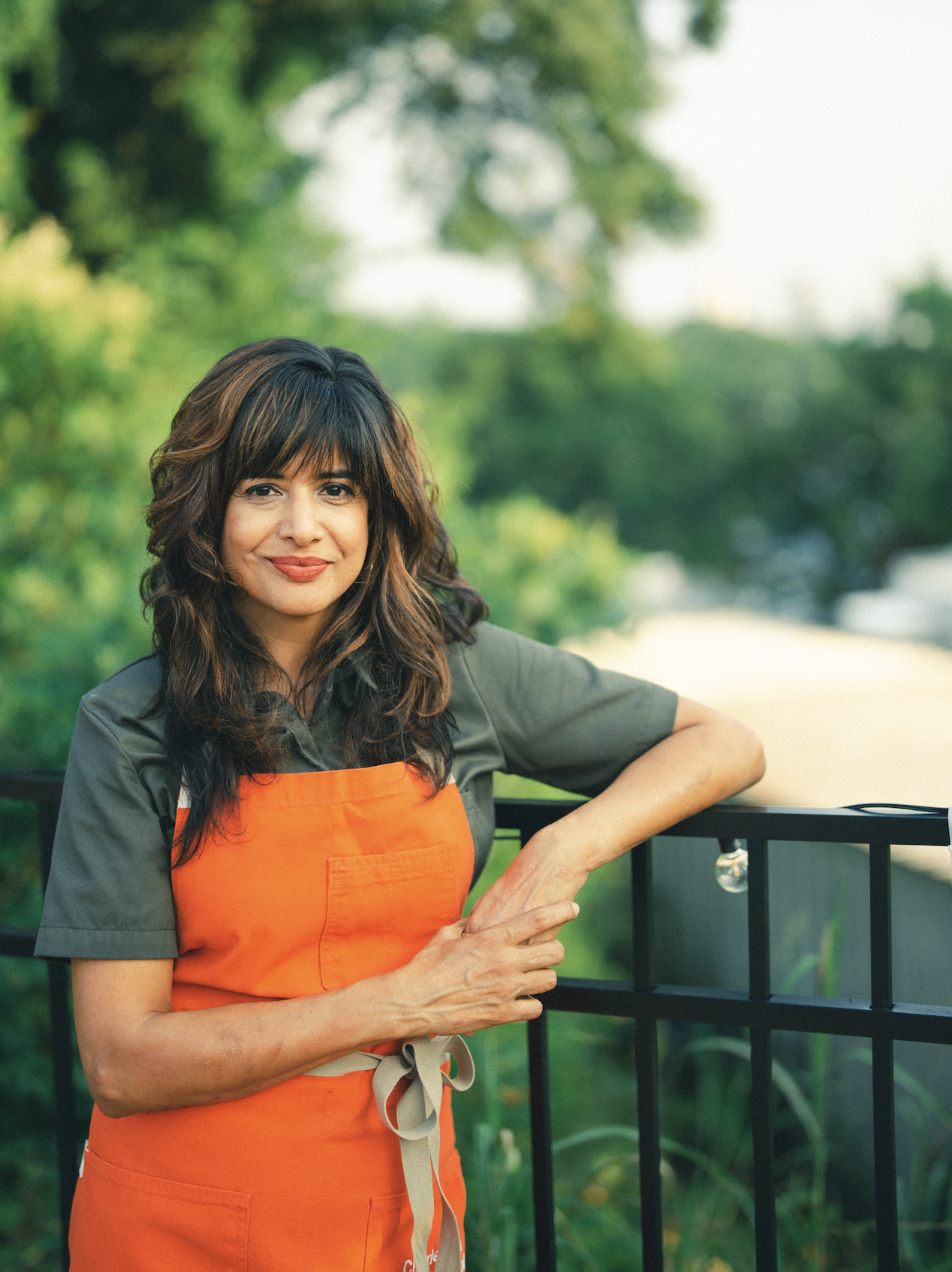
Photo by Joe Payne
Cheetie Kumar has spent her life fluent in two languages, one spoken through an amplifier and the other through a wok. You might know her name from the searing guitar riffs of her rock band, Birds of Avalon. Or perhaps you know her from her acclaimed North Carolina restaurants - from the beloved Garland to her current Raleigh hot spot, Ajja. She is a James Beard-nominated chef, a fierce musician, and a lifelong student of the crafts that bring people together.
For Cheetie, music and food aren't separate disciplines. They are two dialects of the exact same creative language. Whether she’s dissecting the technical components of a Palestinian sauce to teach her kitchen crew or tuning the low-end frequency of an amplifier, her work is anchored by a restless curiosity and an unwavering refusal to take time for granted.
The intersection of Cheetie’s two worlds was on full display when she joined the culinary lineup for Luck Reunion’s Potluck dinner out on Willie Nelson’s ranch. Cooking over open fire pits on the ranch, she served North Carolina trout infused with West Asian flavors.
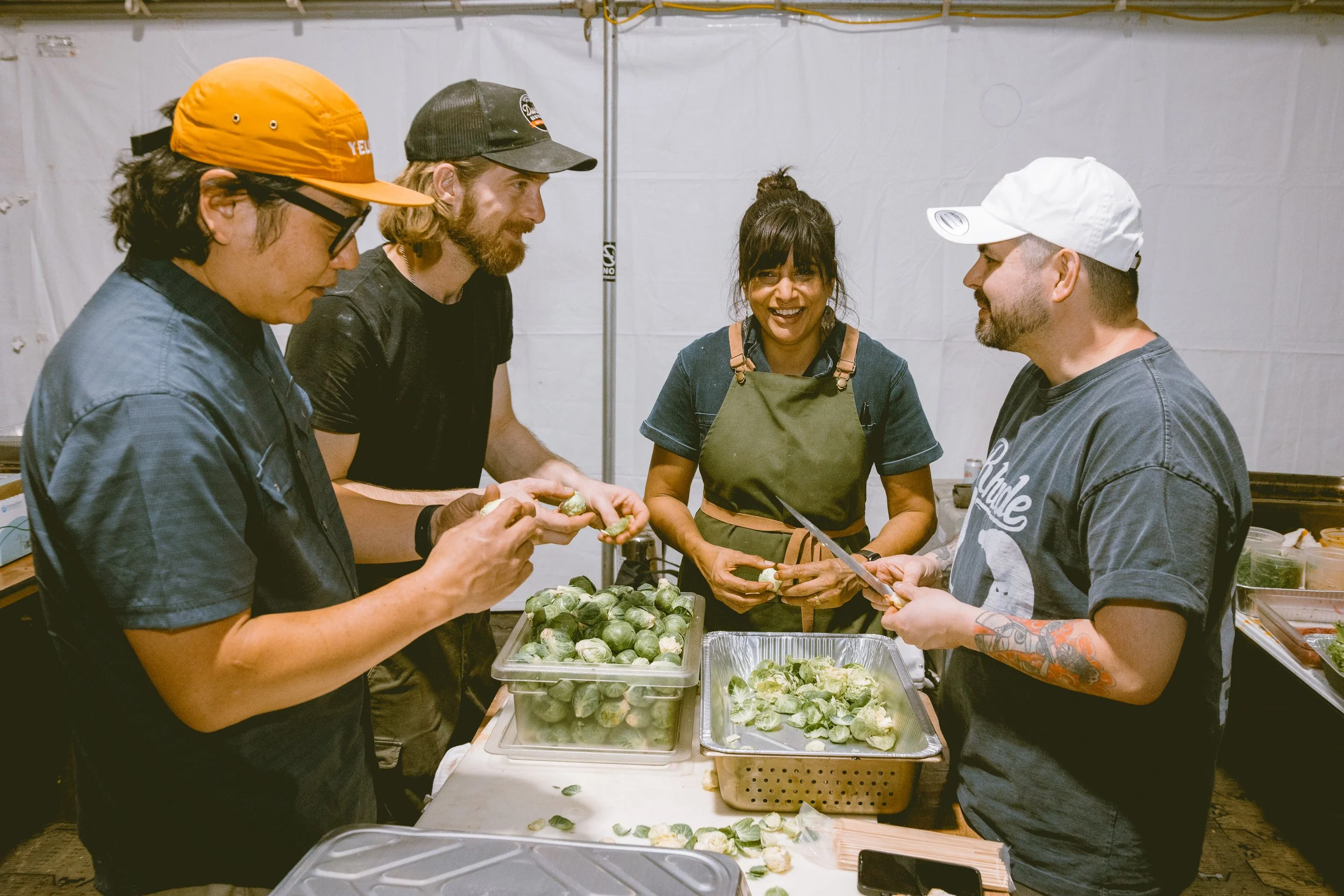
Photo by Brooks Burris
“We were frying fish in a giant, wood-powered wok outside,” Cheetie recalls with a laugh. “I probably should have thought about the logistics a bit more - it was a little stressful, but it was so much fun. I made friends with chefs I still keep in touch with today. And then getting to hear Willie play afterward... it’s just magic. Even just one note on the guitar, and you know instantly: that’s Willie Nelson.”
Stepping out onto the ranch to hear Willie shred after a long service highlighted the underlying symmetry between her two passions. Cooking and music occupy equal halves of her heart, with each practice constantly informing and refining the other.
“In order to be successful as a chef, you have to divide up your idea into a bunch of components and figure out how to make it teachable to a lot of different people,” she explains. “I initially felt like it was a compromise to pass a recipe off, but then I realized I’ll die if I spend my life just chopping onions.”
That process of deconstruction, she notes, actually deepens a creator’s relationship with their work - much like understanding music theory elevates songwriting.
“When I dissect a recipe - say it’s a sauce - and realize it uses dried fenugreek, it fuels that inspiration. It’s just like writing a song: you might realize you accidentally lifted a chord progression from a track you’ve listened to your whole life. Knowing the theory doesn't make it less creative - it just gives you a language to build poetry around.”
That hunger to learn and connect traces back to Cheetie’s upbringing. Raised in India until age eight, her earliest memories of sound were shaped by her father’s expansive vintage tape collection, which seamlessly bridged Simon & Garfunkel, The Beatles, Deep Purple, and Herb Alpert.
When her family immigrated to New York, the Bronx brought a heavy dose of culture shock. Surrounded by concrete, she found a sense of liberation in the raw energy of the city's art-rock and punk scenes - bands like Devo, Talking Heads, and The Ramones offered a portal to an expansive mental universe.
Simultaneously, food became her primary tool for making sense of her new surroundings.
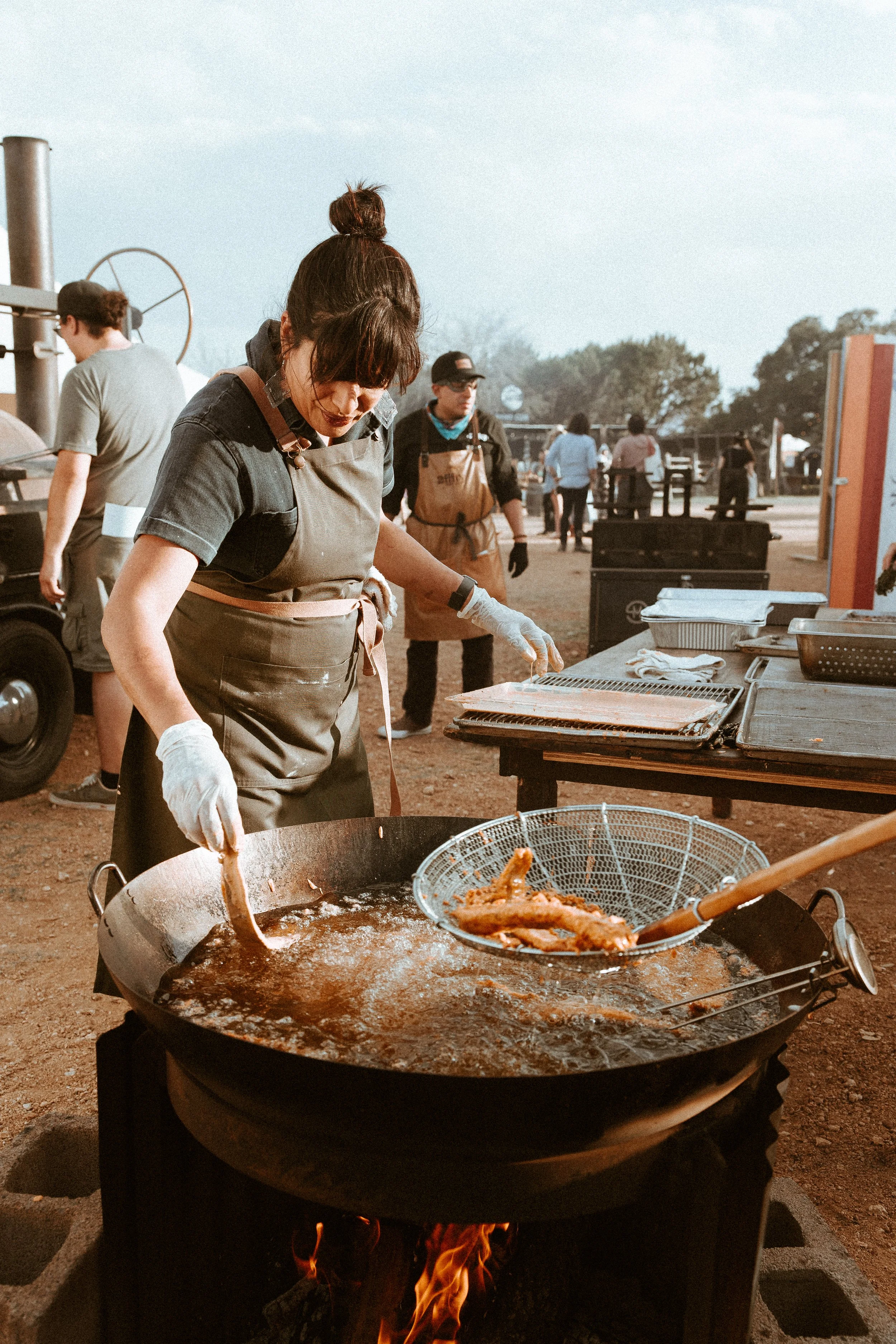
Photo by Brooks Burris
“My neighborhood friends were Greek, Korean, Puerto Rican, Jewish - we were this outsider gang of nerds that had weird refrigerators full of distinct smells and pickles in our lunchboxes,” she shares. “Going to each other's houses and eating their food was a way of bonding with people from all over the place.”
Learning to cook at home alongside her mother and grandmother laid the groundwork for a lifelong fascination with global flavors, ultimately leading her to open her own kitchen despite having no formal culinary school training.
A lifelong ‘flavor collector,’ Cheetie breaks down rigid definitions of regional cuisine. To her, Southern food is far more expansive than the standard stereotypes.
“Southern food is an amalgamation of a lot of different people from a lot of different places in the backdrop of very fertile land,” she says. “It’s definitely not two-dimensional- it’s not just mac and cheese and fried chicken. The influence of the entire planet is here.”
At Ajja, merging West Asian techniques with Southern agriculture felt completely fluid.
“It’s such a natural fit. Tomatoes, okra, eggplant, squash, poultry, lamb - it’s all grown right here in the South,” she notes. “We use Urfa pepper and coriander to transpose those flavors. I was so nervous about the aunties and the grandmas coming into Ajja and being like, ‘What is this?’ But it’s an interpretation that feels pretty seamless.”
For Cheetie, this culinary dialogue is also deeply personal. After she lost her mother, exploring these flavor pathways became a way to honor a heritage she couldn't fully access through traditional records.
“My whole maternal side of the culture is kind of lost to me,” she reflects softly. “I don't really have a way of accessing it, so this is my way of fantasizing about those connections and putting them on a plate.”
That instinct for building connection extends directly into the dining room experience at Ajja. Together with her husband and business partner, Paul, Cheetie treats atmosphere as an essential ingredient of the meal, curating lighting, shadows, and playlists with surgical precision.
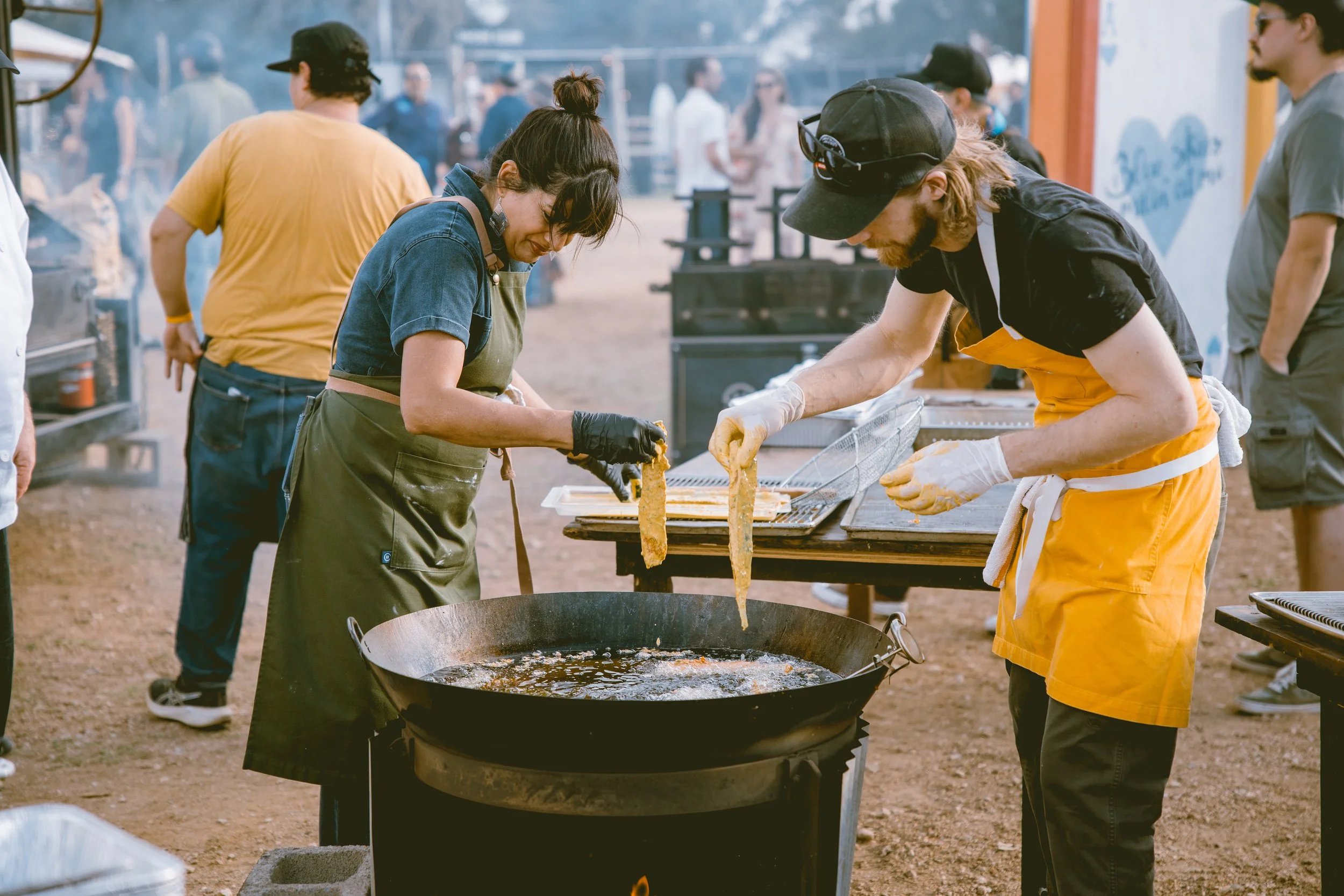
Photo by Brooks Burris
“My husband and I are meticulous about lighting and sound. Nothing kills a vibe faster than bad lighting or a jarring radio commercial coming on while you're eating dinner,” she says. “We use lots of low, warm light because we want people to feel comfortable, confident, and beautiful when they sit down.”
To Cheetie, designing a dining environment is an exercise in pure empathy.
“You never know what kind of day a guest has had - maybe they received bad news, or had a fight with their kid, or got cut off in traffic. When they walk in, the host's smile, the gentle warmth of the room, and a rhythmic playlist give them permission to escape their daily life for a couple of hours.”
Balancing the relentless demands of running hospitality businesses with an artistic calling requires rigid boundaries - a lesson Cheetie learned through years of trial and error.
“The business will always have another fire to put out,” she reflects. “Whether you work on it all night or put it down, the problem will still be there tomorrow - and you’ll be better equipped to fix it if you rested. You have to put your life on the calendar with the same priority as a business meeting. “
That commitment to protecting her creative time proved vital when Cheetie faced a severe health scare earlier this year, temporarily losing her hearing, facial movement, and sense of taste. Facing that sudden loss forced a profound perspective shift on time and mortality.
“On your deathbed, what will you have done?” she asks. “Will you say, ‘I worked my ass off on the mundane daily grind’? That’s not what you’re going to think about. You’re going to think about the travel, the meals, the relationships, and how you made people feel. Work is work, but it doesn't define you. I’ve stopped punishing myself for not working 24/7.”
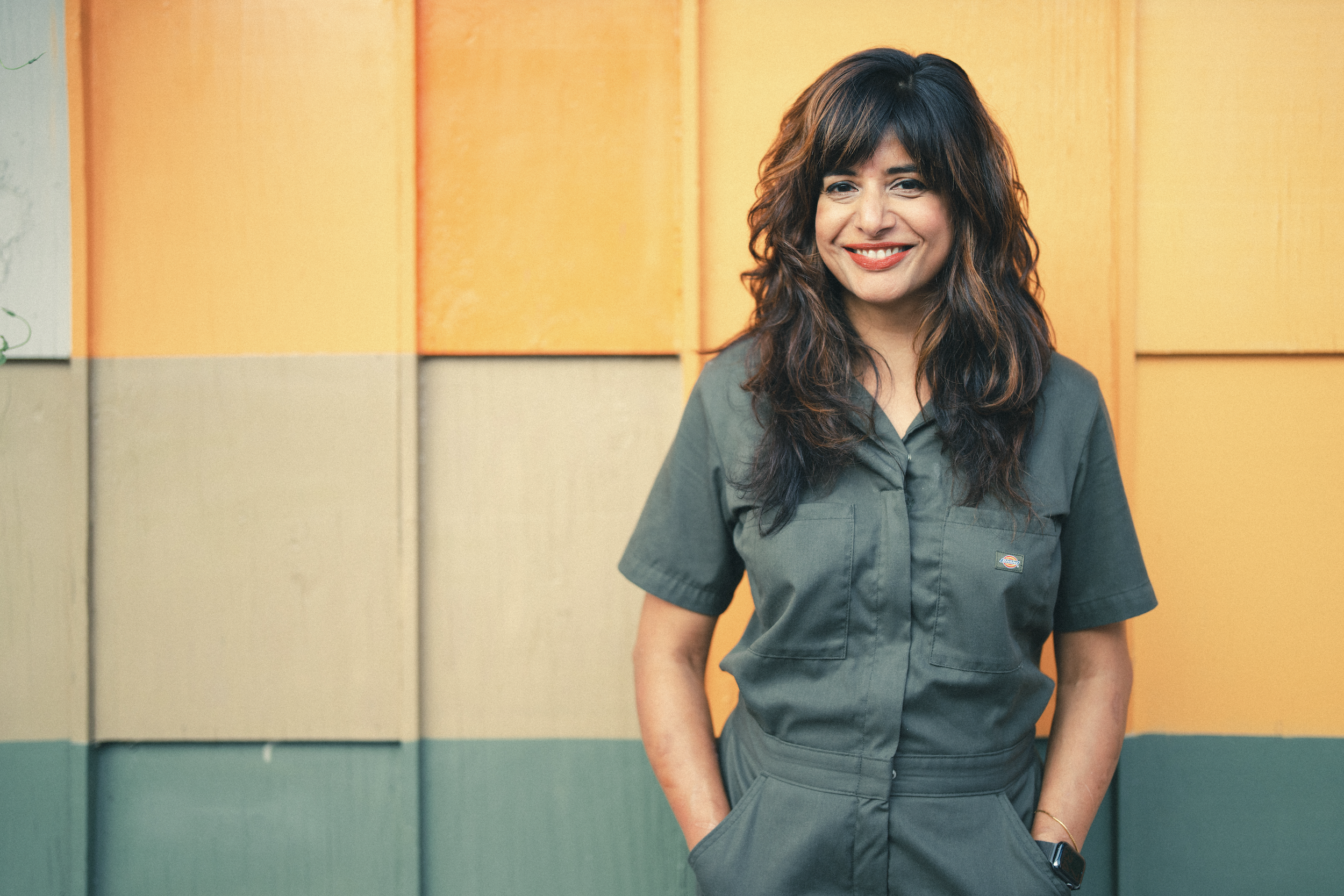
Photo by Joe Payne
Ultimately, Cheetie’s journey is one of unlearning the need to do it all alone and leaning into a deeper sense of creative liberation. Where she once sought external validation or worried about fitting into neat boxes, she now operates with freedom and confidence - guided by the same boundless curiosity that has fueled her craft from the start.
Rejoining her bandmates in Birds of Avalon, Cheetie recently spent four days in the studio tracking new music for the first time since 2018.
“I am on cloud nine right now,” she says, reflecting on the session. “We had two songs that had been knocking around for eight years. We put the dates on the calendar, practiced, and just made it happen. Facing that kind of physical setback was a reminder not to take anything for granted. One creative outlet truly fuels the other - stepping out of the studio and back into the restaurant, I just feel completely re-energized.”