The Life and Legacy of Todd Snider
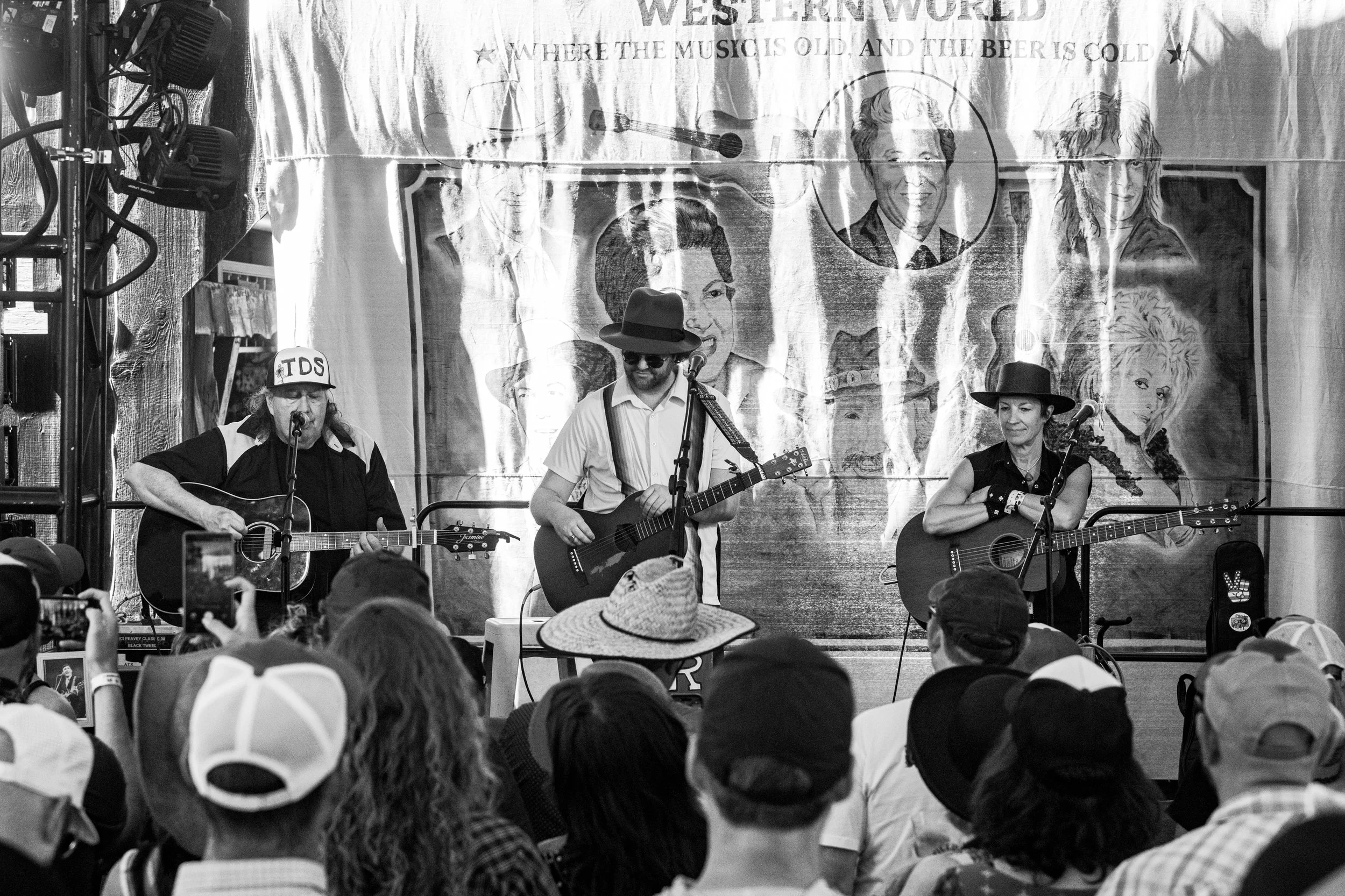
Photo by Michael Weidemann
Todd Snider was an unbound spirit who lived outside the ordinary. For thirty years, he viewed the music business as nothing more than a colorful backdrop to the real work of living, positioning himself as the cleverest protest singer and the most reliable juke joint journalist on the pavement. While others spent their lives trying to be stars, Todd was busy being the guy the stars stayed up all night listening to. He curated a way of existing that prioritized the work over the hype and the truth over a payout.
From his 1994 debut, ‘Songs for the Daily Planet’, he was a shoeless hippie with an edgy tongue and a working class ethic - a man who could find the humor in a robbery and the tenderness in a room full of irredeemable stories. He was the “real deal” to a specific kind of American roots magic, a lineage he studied at the feet of visionaries like Kris Kristofferson, Guy Clark, and John Prine. But the transformation into the "heartbroken troubadour" was never easy. To get there, Todd had to navigate health issues, broken business affairs, and a lifetime of failed romances. He often admitted that he sang about dead friends more than girls in his later seasons.
Todd took the immense grief of losing his mentors and sharpened it into an experimental philosophy that he eventually passed down to a new generation. Among those who felt the weight of his mentorship most deeply was Aaron Lee Tasjan. Aaron grew up cutting the grass at a golf course to Todd’s records before eventually producing Todd’s final studio effort, High, Lonesome and Then Some. For Aaron, Todd wasn't just a songwriter, he was a master of the "emotional rock" - that one line in a song you can stand on when everything else feels like a lie.

Photo by Andrea Escobar
Luck: You’ve talked about how Todd affected you through pure inspiration, but did he ever actually touch a song of yours?
Aaron: "My new album, ‘Get Over It, Underdog’ .. I had been making my reputation as a bit of a shapeshifter. I remember having some real mental health struggles on the road. I was having breakdowns, not coping with the fact that a record wasn't doing some special thing I thought it should do. I was a ship at sea with no rudder. I wrote Todd this email and said, 'Man, I don’t know how to continue.' He came back with this email that was like a book - a battle plan on how to go from where I was into a place that was grounded and real."
Luck: What was the core of that plan?
Aaron: "He said, 'You almost have to go backwards to go forwards.' He told me to reduce it down to me and a guitar. Show people how the songs stand on their own. He really helped me find the 'emotional rock' in a song - something he said he got from working with Prine. It’s that one line you can personally connect with so the song is real for you every time you sing it."
Luck: How would you describe the man himself to someone who never met him?
Aaron: "Todd Snider was like a really big bunny with really sharp teeth. He was incredibly generous, unpredictable, honest - maybe to a fault. He was the sharpest guy I ever met, so sharp that he cut himself. Sometimes people who see something in you that you don’t see in yourself .. those people give you permission. He gave me that gift over and over again."
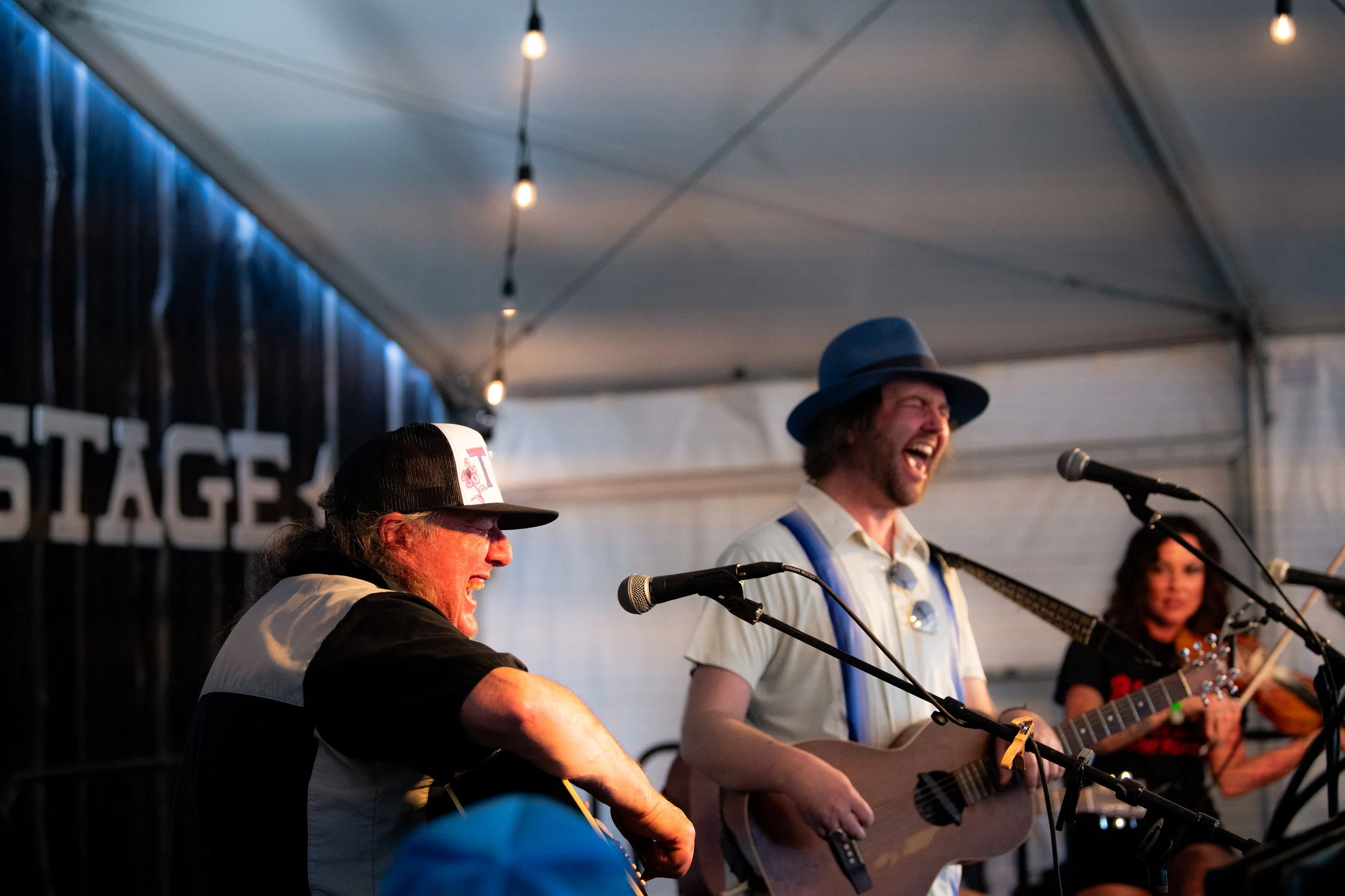
Photo by Michael Weidemann
That permission to be vulnerable is what allowed Todd to resonate on such a sensory level with his fans. He was a showman with an expansive spiritual atmosphere, someone who unapologetically touted drugs and hammered the establishment while praying for wisdom thirty times a day. He understood that persuasion, not force, was the only way to sway the human mind.
This unfiltered intention often manifested in a specific brand of mayhem. He was the guy who would just talk to strangers, or the one who would tell a protege that they had to "practice stoned" if they ever wanted to survive the stage. Amanda Shires lived through that specific brand of "hazing" and protection, taking Todd to the hospital through the dark nights while he helped her realize that she didn't have to make "candy" for the world.

Photo by Andrea Escobar
Luck: Do you have a tidbit or a look into his brain that people might not understand?
Amanda: "He never had that ego thing about who he was talking to. He liked to park the bus on 'Something To Do Street' in every town and just start talking to folks. I walked into his house to write a song once - this was probably 12 years ago - and I opened the door. He was sitting in a chair and he said, 'Do not come in. I’m holding the walls up right now.' I was like, 'What do you want me to do?' He’s like, 'Just wait. Stand right there.' So I sat on the porch for a while until that was over, and then we wrote a song."
Luck: You spent so much time on the road together. What was that dynamic like?
Amanda: "He was the first person that took me seriously as a songwriter. My first songwriting tour was because of him. My first bus was because of him. I took him to the hospital when he OD'd like two or three times. One day he decided we were going to get high and listen to Carole King’s Tapestry. It took me two weeks of trying to finally make it through the whole record. Then he said, 'Now you’re going to get really stoned and play your set.' I went up there and couldn't remember which chords went to the words. He came on stage with a guitar to help me through it, and afterward he just said, 'You gotta practice stoned.' It was amazing - the kind of hazing that makes friendship stronger."

Photo by Andrea Escobar
Through that approach, Todd became the "accessible hero." He was a man of immense wit - jagged and down to earth - who could resurrect long lost words like "sockdologizing" while searching for the "Temptation to Exist." He had a soft spot for individuals who had been bullied by modern life’s circumstances, perhaps because he felt like one of them himself.
In his later years, the relentless touring developed into chronic pain, yet he never stopped trying to "get away with it" one more time. He was a bridge between the legends he loved and the new class of songwriters who looked to him for a way out of the fog. Cody Canada was one of those anxiety ridden boys who found a master in Todd - a man who told him that the truth was the only thing worth singing about.
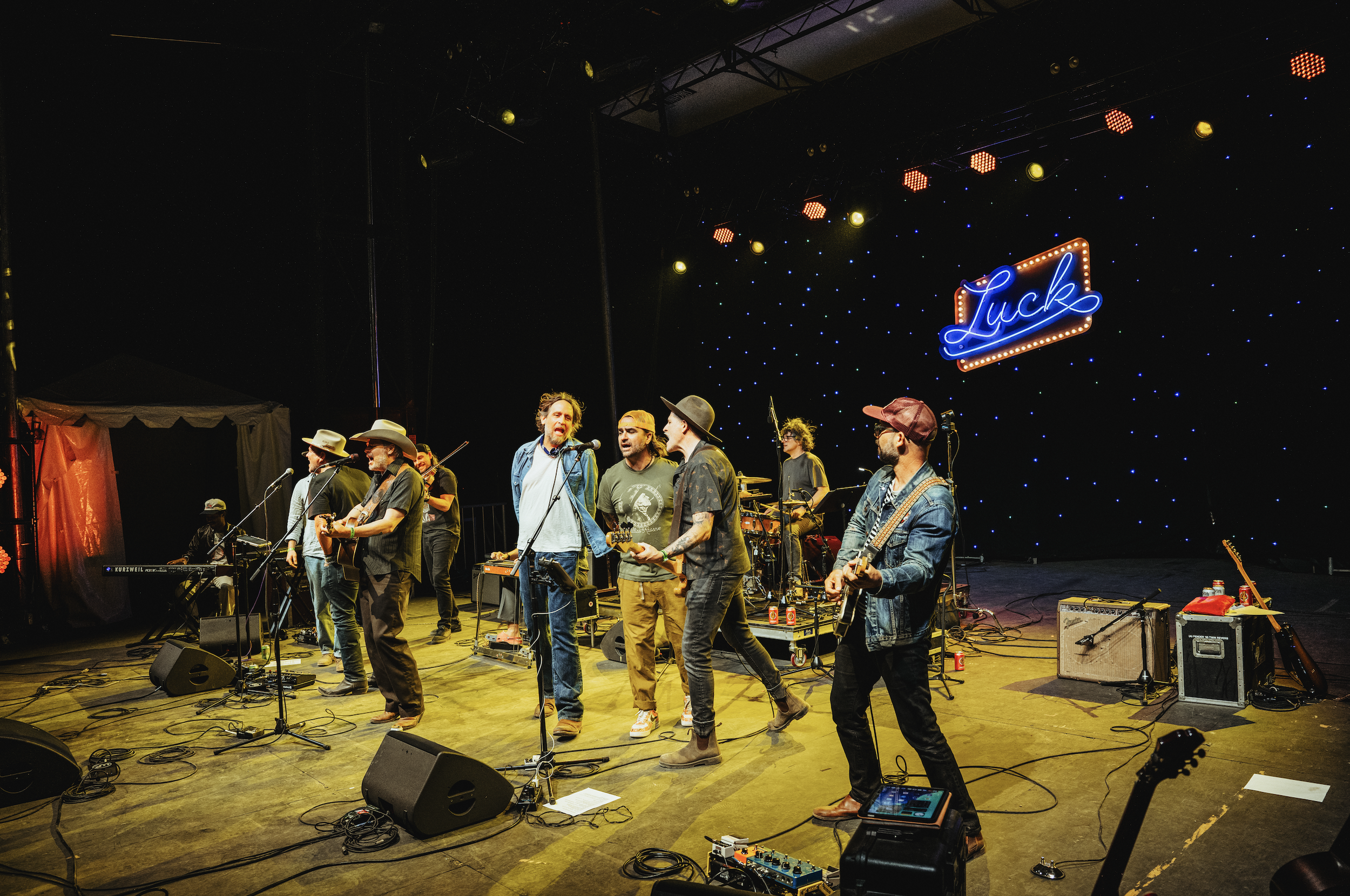
Photo by Andrea Escobar
Luck: At the Todd Snider tribute, you mentioned something he told you that really stuck. Can you tell us about that?
Cody: "When the band split, I reached out to him. I said, 'I don’t want to play these songs right now, and I feel like it’s a bad idea.' I felt like it was a death sentence. But Todd told me, 'Your kids deserve to see you take a victory lap.' He said, 'This will generate a bunch of smiles for your camp.' Man, he was right. I changed direction when I heard his music in 1993. He made me say, 'To hell with all those people. Go do it yourself.'"
Luck: He seemed to have a very specific way of mentoring through those conversations.
Cody: "He was my generation's John Prine. He was very impactful on a whole bunch of anxiety ridden teenage boys saying, 'I don’t know if I can sing about the truth.' He gave permission. He crawled so everybody else could walk. When we heard everything was going down, it just carved a hole out of my heart like an ice cream scoop. I told my wife, 'I feel like everything’s upside down. The universe is off.'"
Luck: What would you say is his biggest legacy for those who follow?
Cody: "Being kind to people. Todd and Mike McClure were the accessible heroes. You could hang out and talk before the show or after. They were just easy to approach. That means a lot to people who are tired of whatever they're doing and want to chase their dream. He showed us it was okay to sing about the truth."

Todd Snider eventually succumbed to the toll of the road and the complications of a body that had burned hard for too long. He passed away in Tennessee, leaving behind a community that was forever changed by his tenderness and sensitivity.
He showed us how to look at the world through a lens of compassion, even when that world was robbing us blind or telling never ending, "unforgivable" stories. He was a hard working folksinger who was also an unreservedly slack dude, a man who protected the unvarnished reality of the work until the final bow. He cemented a reputation as a unique collage of everything that came before him, reminding us that it’s okay to not know the answer, as long as you open your heart when you play.
Sure as hell won't be another one like him.

Photo by Andrea Escobar