The Long Road Home - A Conversation with Cody Canada
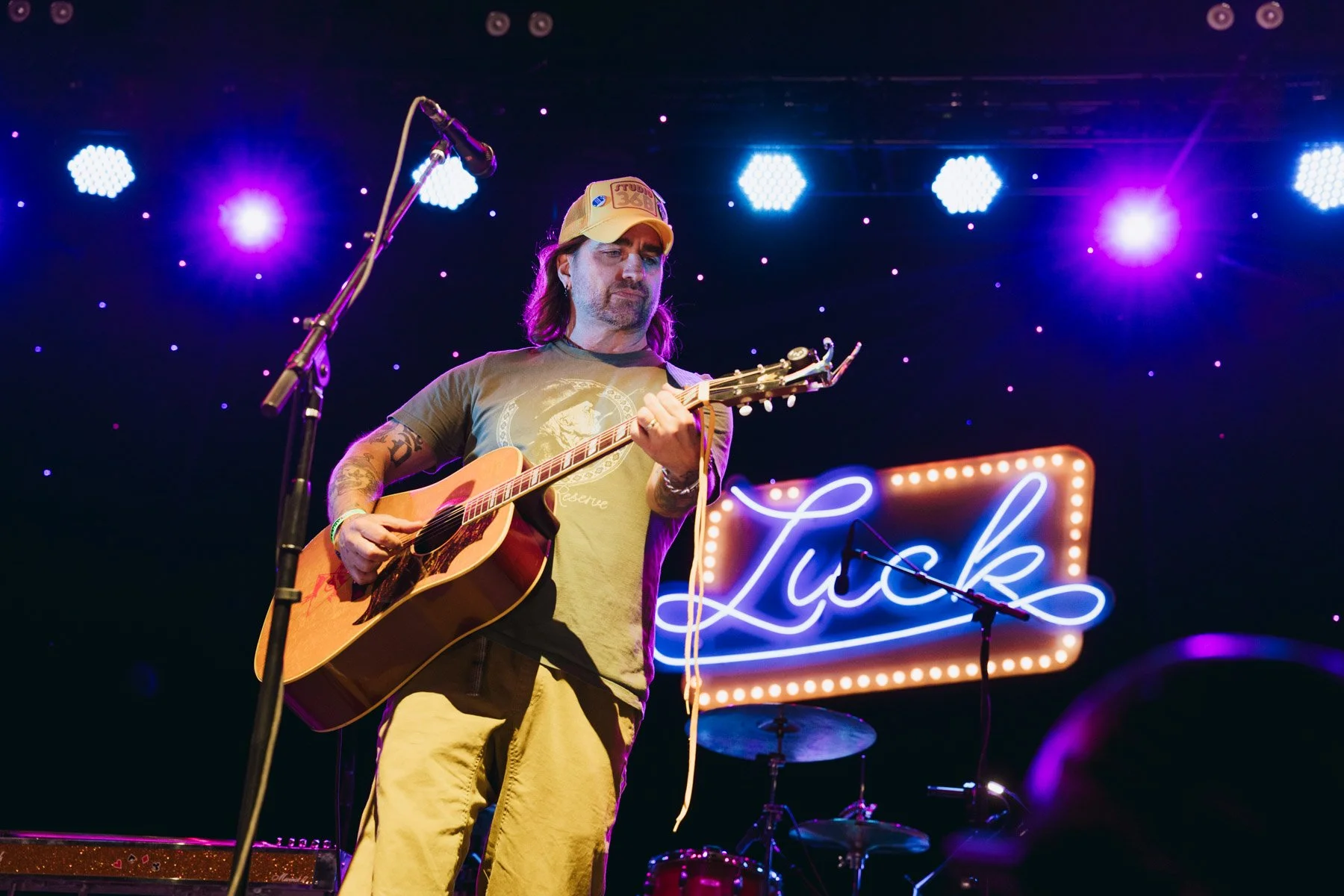
Photo by Andrea Escobar
To understand the lineage of Red Dirt music, you have to understand Cody Canada. As the driving force behind Cross Canadian Ragweed, he helped stoke a fire that influenced a generation of songwriters. But after years of being overworked and overserved, stepping away wasn't just a choice - it was a means of survival. Now, with a clear head and a renewed spirit, the band is back on the road. We caught up with Cody to talk about the chaos of the heyday, the healing power of a three piece band, and how he’s learning to enjoy the view on his long awaited victory lap.
Luck: Where are you joining me from today? Are you out on the highway?
Cody: I'm actually headed to the office right now in San Antonio, where I'm based. I’m playing a short one hour set for a nonprofit at the Alamo today. It's just one gig during the week, so it's a pretty light week for me.
Luck: That sounds like a nice change of pace. How many shows a year are you usually running at this stage?
Cody: Well, last year I finally started telling everybody that I was ready to put the brakes on. I was doing about 150 shows a year, and while that’s nowhere near what I was doing back in the day with Ragweed, it was still a lot. This year, I’m really looking at about 50 shows, and I’m kind of feeling it. It feels good to rest. My voice is better, but it's also like I want to run out of shit to do around my house for once.
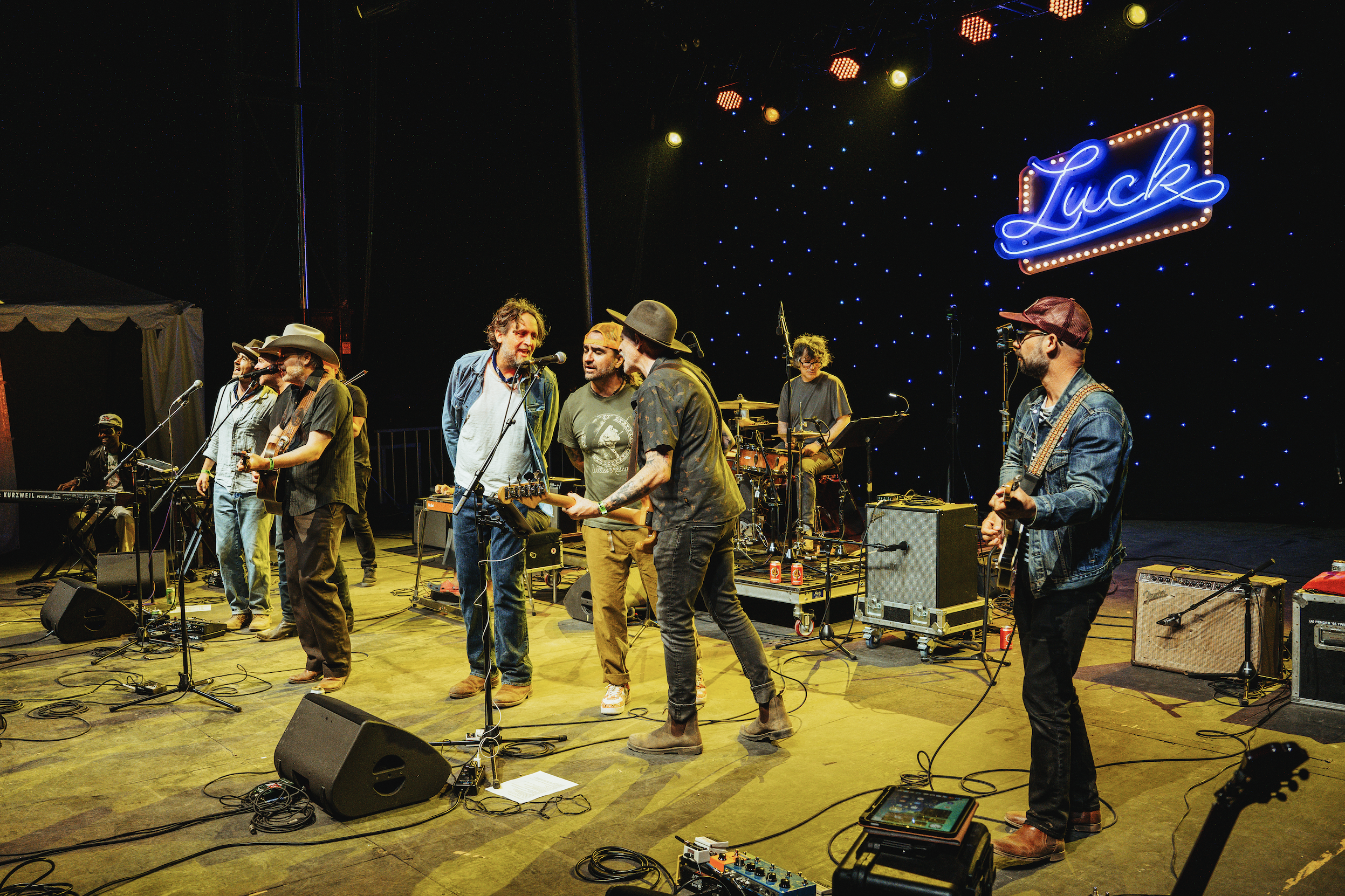
Photo by Andrea Escobar
Luck: When your job is touring, what do you even do when you’re actually stuck at home? Do you have any hobbies?
Cody: My hobby is my job. That’s a pretty fortunate thing to be able to say. I’m definitely not a gardener - I don’t think I’d be very good at that at all.
Luck: Fair enough! We got to watch you perform at the Todd Snider tribute at Luck earlier this year, which was incredibly moving. But we were also out there in Stillwater for the Boys from Oklahoma shows last year. I think a lot of people thought those days were dead and gone. What was the catalyst for finally cranking the Ragweed engine back up after sixteen years?
Cody: Man, I didn’t know how it was going to go at all. We hadn’t played a single note together in over a decade. I hadn't even talked to half the guys in eleven or twelve years. But once we got in a room, I found this maturity and sobriety in the band that I didn't know was there. We’re all grown up now, getting older, and the camaraderie just kind of picked right back up.
I just got off the phone with my booking agent and told him, "I know I said I wanted some time off, but man, I’m ready to crank that band back up again." The nostalgia is starting to wear off, and we’re actually ready to create new music and just be those high school friends again.
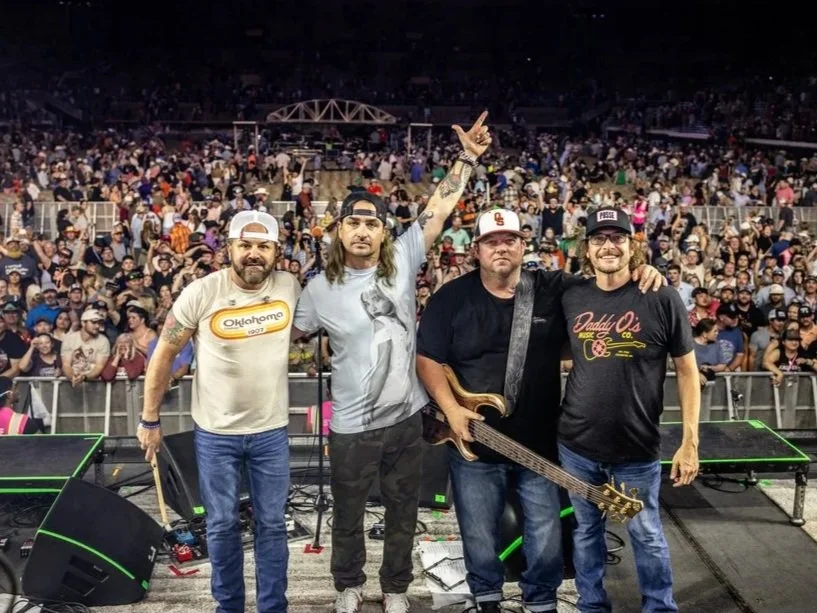
Photo by Todd Purifoy
Luck: Those Stillwater shows were massive - you guys ended up having to add day after day. Did you expect that kind of overwhelming response?
Cody: [Laughs] No way. When they first pitched the stadium, I thought, 'Well, we’re gonna sell maybe half of it.' That was 20,000 tickets, which felt huge. Then the first night sold out instantly. I remember stepping back and telling my wife I had to leave the house for a minute just to process it. I came back, and she was still on FaceTime with our booking agent, saying, "Okay, day number two goes on sale tomorrow." We ended up hitting four nights before we decided to call it so we didn't push our luck with the Oklahoma weather.
But the wildest part was the walk throughs. My wife and I went up to check out the stadium a few months in advance. I had a feeling of what it was going to be, but watching the other guys' faces the second they walked from the parking lot out onto that massive stage... I honestly thought Grady was going to faint. We hadn't done anything in front of a crowd in almost twenty years. The first thing my wife and I had to ask everyone was, "Is everybody good mentally? Any freakouts?"
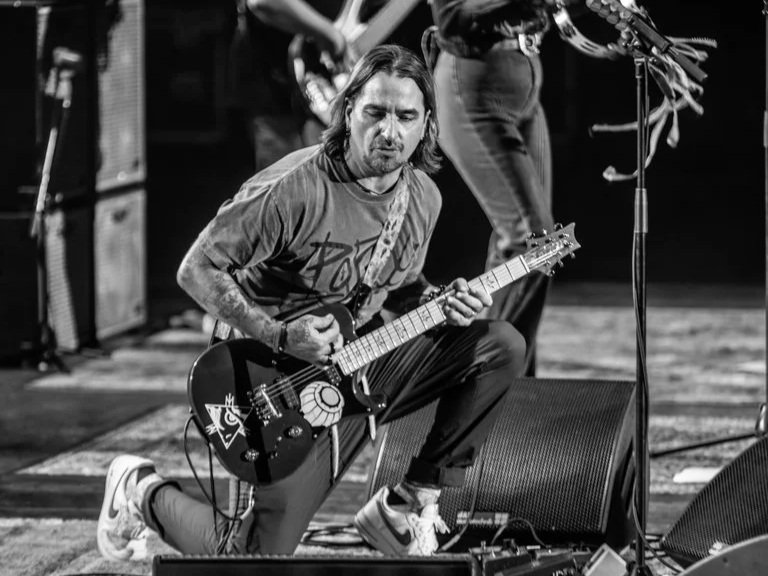
Photo by Todd Purifoy
Luck: Did it feel like stepping right back into the old days, or was it a completely different beast?
Cody: It felt like a whole different thing. What was crazy to me was how nobody was nervous. We knew we had these songs down. When we stepped out there, it went by so fast it felt like we didn't even get on stage. But when we walked off that first night, I told the guys, "Man, I feel like that's the best we've ever played." And I wasn't just saying it because it was brand new, that's truly what it felt like. They all agreed. The rehearsals went a lot better than I thought they would, too. Everybody was practicing hard at home so they wouldn't walk in looking rusty.
Luck: If we look back at the original run of Cross Canadian Ragweed, you guys were the absolute blueprint for the modern Red Dirt movement. What led to things unraveling back in 2010?
Cody: Look, during the heyday - around '05 or '06 - we were having a ball, but we were way overworked and way overserved. The overserving was our own fault, and the overworking was on us too, because none of us had ever seen that kind of success before. We were young and listening to record label folks who just wanted us to keep going and going because it generates money. I understand the business side of it now, but when you throw a bunch of early 20s kids who like to smoke weed and drink beer into a grueling schedule, something is going to crack eventually.
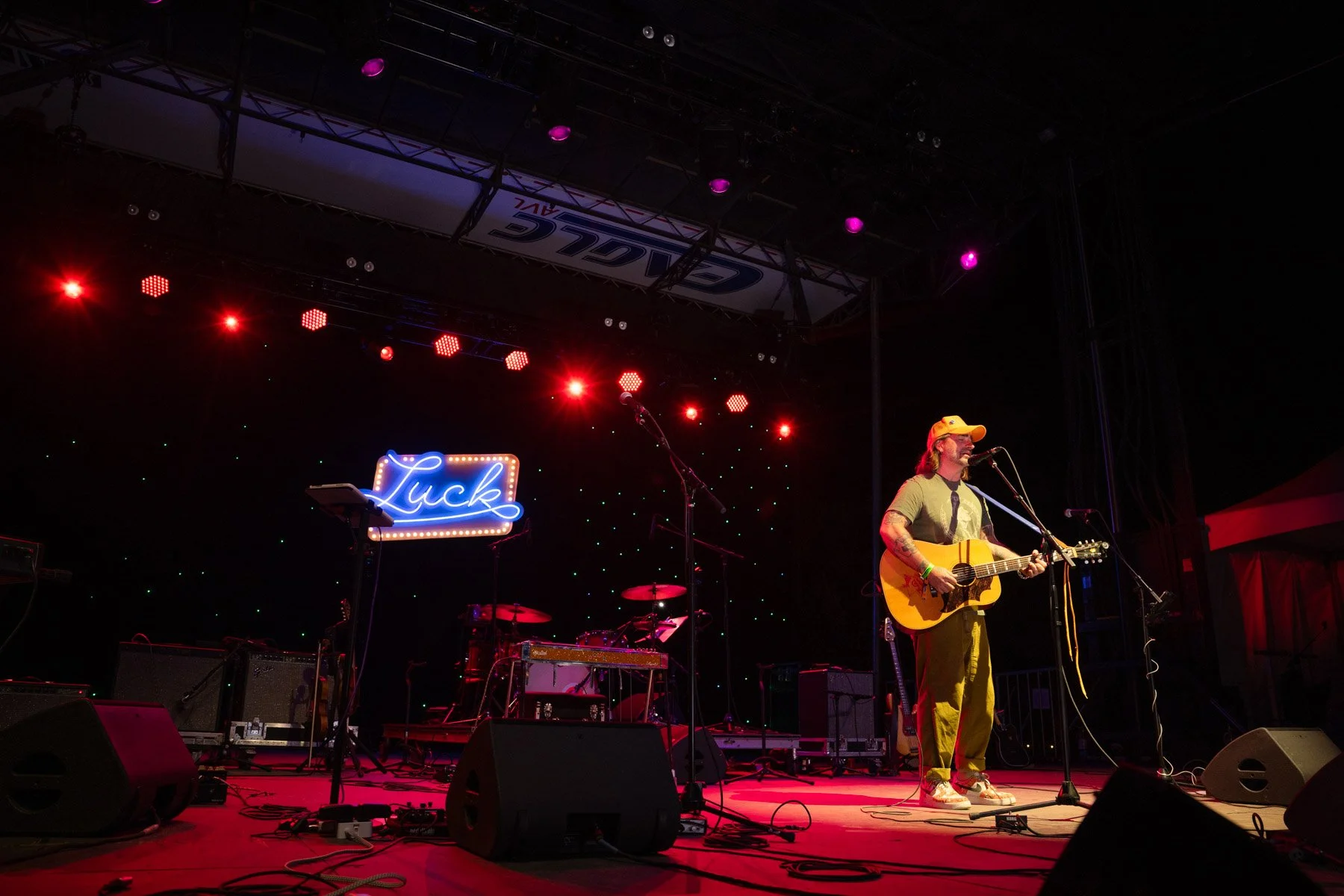
Photo by Andrea Escobar
There was one year where we were home for a grand total of maybe thirty days. And we all had brand new babies at the same time. You throw too much substance and too much exhaustion into a room, and it's going to split you. It turned into nasty, drunk arguments where nobody was getting their way. One morning, we were all just too tired to fight anymore. I wish it didn't happen that way, but I also don't think this reunion year would feel as fulfilling and grateful if we hadn't taken that necessary break.
Luck: After the split, you jumped straight into forming The Departed. What did that transition feel like creatively? Was it tough to find your footing apart from the Ragweed identity?
Cody: I wouldn't have admitted this back then, but The Departed was basically a rebound. I was practicing with those guys before I even officially broke up with the first group because I was terrified of having any missing time. I wanted to outrun the silence. For a minute, it was a lot of fun. But I was still pretty bitter, pretty mad about the breakup, and honestly, still pretty drunk.
Musically, I was trying to dip my toes into things that just weren't me.
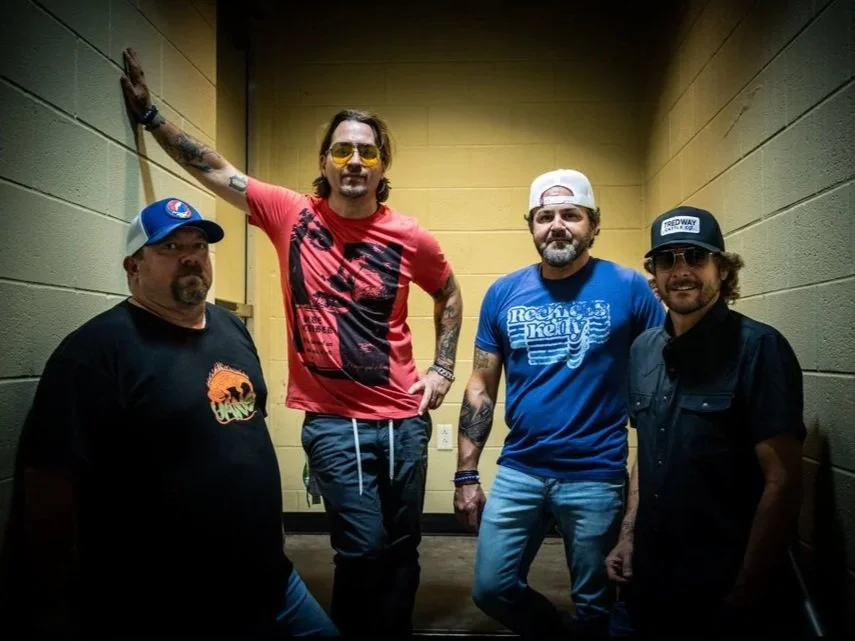
Photo by Todd Purifoy
Luck: When did the ship finally steady itself for you?
Cody: It changed when Eric "Waldo" Hanson came into the band and we became a three piece. I've known Waldo since I was 21 years old in Stillwater. He’d played with Jimmy LaFave, the Red Dirt Rangers, and Mike McClure, so he knew the language. The second he joined, everything went on autopilot. The songwriting became effortless again, and we made a record called 3 that is still my favorite original thing we did. It was a homecoming of sorts.
Luck: You mentioned Jimmy LaFave, Mike McClure, and the Stillwater days. There is so much lore surrounding The Farm and The Yellow House. Did you guys have any concept of the history you were making back then?
Cody: You know, my wife pointed out a post on Instagram recently where someone was comparing the modern Red Dirt Americana scene to the 90s grunge movement in Seattle. We all laughed, because we were literally saying that exact same thing back in 1994. I remember telling Jason Boland, "Man, look at how many people are huddled up here learning, writing, and playing."
It was electric. People weren't just going out to The Farm to get drunk or stoned; music was the absolute focal point. We’d have Croquet Sundays where everyone would be sitting around a pool table or a lawn, sharing songs, waiting for their turn to play. It was a safe, tight-knit community. I was only 17 years old when I first stumbled into it. My parents had split up when I was 12, they basically disappeared, and I lived by myself from about age 15. I didn't have a stable home, so I spent nights in my room just playing guitar. When I found Tom Skinner, Bob Childers, and Mike McClure, they completely took me in. They asked if I was hungry, gave me a bed, and provided that family bond I was starving for.
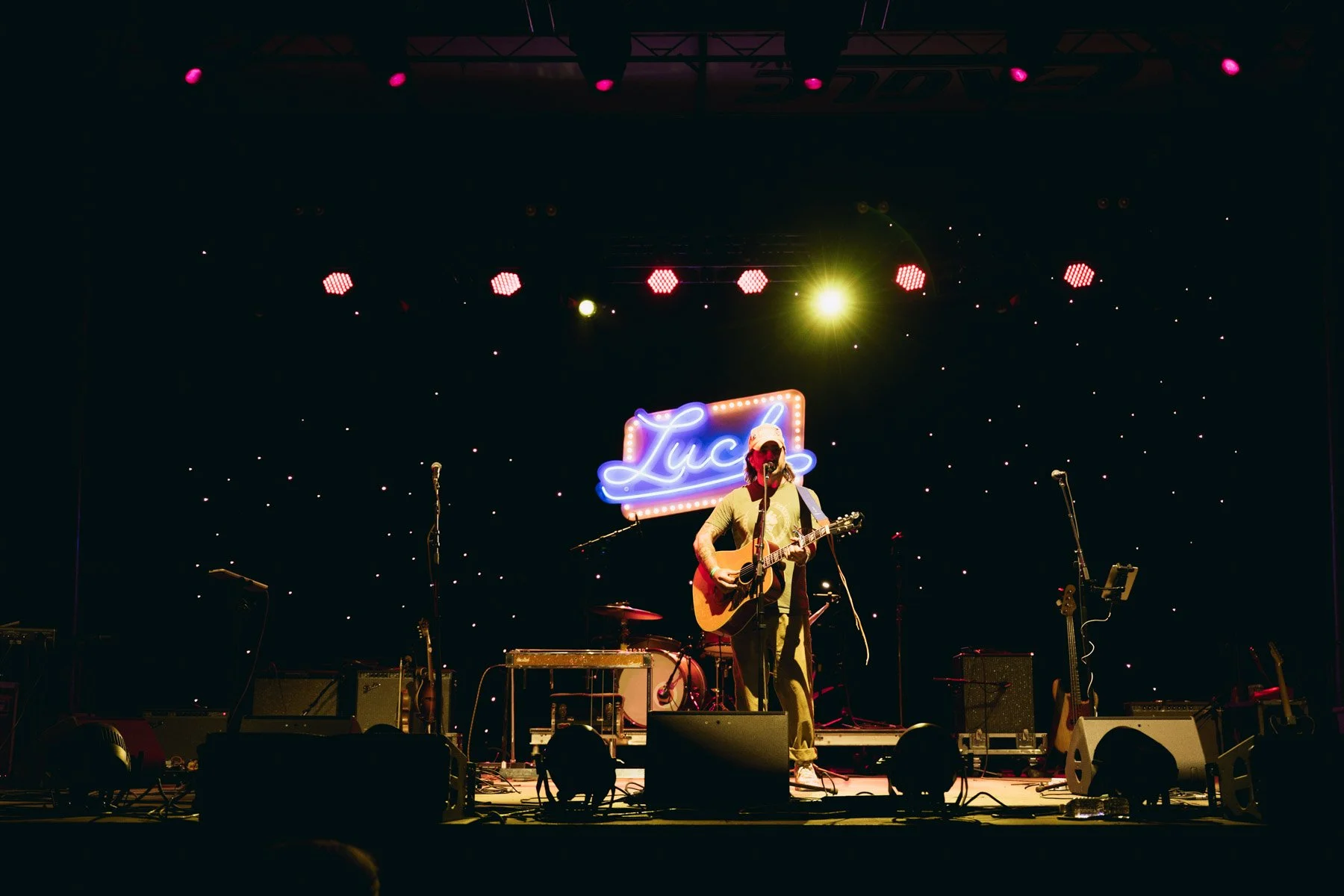
Photo by Andrea Escobar
Luck: It's incredible how that search for a makeshift family accidentally birthed a whole genre of American music.
Cody: Well, country music was changing corporate wise back then - shifting from George Strait to the massive Garth Brooks billion dollar stadium era. A lot of the guys in Stillwater were clinging tightly to the roots of where the music actually came from. We were all just trying to hang onto what made us fall in love with songwriting in the first place.
If you asked Todd Snider to define Red Dirt, he’d probably joke that it’s just "less popular country." What really ties it together isn't geography; it's the absolute truth in the songwriting.
Luck: Now that you're standing on the other side of those massive Stillwater reunion shows, how does it feel?
Cody: We played a casual rehearsal down in Key West recently where the crew guys, the wives, and the kids were all running around like a big family compound. We just sat there and played music for hours with nobody keeping score. I told the guys afterward, "Out of all the massive stadium shows we just did, this practice right here has been my absolute favorite thing." Everyone felt the same way. That’s a really good sign that we’re returning as a creative, living band - not just a nostalgia act. We actually love being in the room together again.
Luck: That is a beautiful place to land, Cody. Thank you for sharing the journey with us, and drive safe out there to the Alamo.
Cody: You bet, man. I appreciate you guys doing what you do. Take care of yourself!

Photo by Andrea Escobar